

A newborn is most vulnerable during their first 28 days, a time called the neonatal period. The American Heart Association defines infancy as the entire first year, but this initial month is critical. In an emergency, knowing how to respond can change everything. That’s where newborn CPR comes in. Understanding the correct steps for neonatal CPR gives you the power to act confidently. Here’s what you need to know about performing CPR and giving a baby the best possible chance.
If a newborn doesn’t breathe on their own after birth, medical personnel need to perform CPR. This helps provide oxygen, start breathing, and restore normal heart function. Neonatal resuscitation guidelines focus on newborns
What Makes a Newborn’s Body So Different?
At birth, a newborn’s lungs are full of fluid. They stay uninflated until the first breath. This usually happens about 10 seconds after delivery. This first gasp is how the body reacts to a quick change in temperature and surroundings. When a baby is born, it starts to lose heat. This loss triggers skin receptors, which then signal the brain about the cold. Newborns generate warmth by burning stored brown fat. Researchers find this special energy source in fetuses and newborns. It helps keep their body temperature up without shivering.
Infant vs. Newborn CPR: Understanding the Key Differences
While a newborn is technically an infant, the CPR approach can look a little different depending on a baby’s age in those first few months. The term “newborn” or “neonate” specifically refers to a baby in their first 28 days of life, and resuscitation right after birth is a highly specialized skill. For parents and caregivers, the key is understanding the broader infant CPR guidelines that will see you through that critical first year. The core principles are the same, but knowing the nuances helps you respond with confidence when it matters most.
Defining the Age Ranges
When it comes to CPR, age groups are everything. The guidelines for an infant apply to any baby under one year old. Once a child celebrates their first birthday, they are considered a “child” for CPR purposes until they reach puberty. The neonatal period is a much smaller window, covering just the first 28 days after birth. While resuscitation for a newborn at delivery is typically handled by medical professionals, learning infant CPR is one of the most important things a new parent or caregiver can do. This training prepares you for common emergencies throughout that entire first year.
Why Babies Need CPR: Common Causes
Unlike adults, who often need CPR because of a sudden heart problem, babies usually have healthy hearts. An infant’s heart most often stops because they can’t breathe or are having serious trouble breathing—a situation known as respiratory arrest. Common causes are things like choking, suffocation, drowning, or a severe infection. Because the root problem is a lack of oxygen, providing rescue breaths is an absolutely critical part of infant CPR. Restoring their oxygen supply can be enough to get their heart beating normally again, which is why the technique is different from the Hands-Only CPR recommended for many adult emergencies.
The Importance of Bystander CPR
In an emergency, your quick actions can truly be the difference between life and death. It’s normal to feel a surge of fear, but performing CPR is always better than doing nothing at all. For a baby who isn’t breathing, every single second counts. This is where training becomes so valuable. Taking a certified course builds the muscle memory and confidence you need to act decisively. When you’re prepared, you can push past the fear and focus on the simple, life-saving steps. Proper CPR and First Aid training empowers you to be a calm, capable protector for the little ones in your life.
When Does a Newborn Need Resuscitation?
Neonatal CPR, or newborn resuscitation, is necessary if a baby doesn’t breathe after birth. This procedure supplies oxygen, boosts breathing, and gets the heart working again. It is crucial for the infant’s survival.
Most newborns breathe on their own and need basic care. Yet, around 10% need help as they adjust after birth. About 1% need more advanced resuscitation. This often includes premature infants and babies with congenital conditions. In these cases, specialized intensive care is important. It supplies necessary support without putting too much strain on their delicate systems.
The Newborn Chain of Survival: A Clinical Framework
To give newborns the best possible start, healthcare providers follow a framework called the newborn chain of survival. Think of it as a comprehensive game plan designed to ensure every baby receives the right care at the right time, especially those who need immediate medical help. According to the American Heart Association, the primary goal is to support babies who struggle with breathing or heart function right after birth. This structured approach is critical because effective and swift resuscitation can dramatically improve a baby’s chances of survival and reduce the risk of long-term health issues. The chain of care doesn’t just start at delivery; it begins with prenatal planning and continues through post-birth recovery and follow-up.
While it might sound intense, the good news is that most newborns—about 90%—transition smoothly and only require basic care like warmth and drying. However, about 10% of infants need some assistance to begin breathing, and a smaller but critical 1% require advanced resuscitation. These are often babies who are born prematurely or have congenital conditions that complicate their entry into the world. Because it’s impossible to predict every outcome with certainty, being prepared for these high-stakes scenarios is non-negotiable. This is why healthcare teams and even prepared family members who have completed life-saving training are essential links in ensuring this chain of survival remains unbroken for every single child.
A Step-by-Step Guide to Newborn CPR
If a newborn’s heart rate is under 60 BPM after 30 seconds of positive pressure ventilation, CPR is needed. This involves intubation, ongoing chest compressions, and medications. These help stabilize and boost the heart rate.
Preparing for Newborn CPR: Your First Steps
Neonatal resuscitation works best with good preparation. It also needs quick action during emergencies at birth. A clinical study revealed that video debriefing increased readiness and followed resuscitation guidelines. It also enhanced how the team worked together and communicated. This led to better positive pressure ventilation. Short-term outcomes improved. Intubation rates went down, and babies in the NICU had steadier temperatures.
Identifying perinatal risk factors is key. Also, organizing team roles is important. Finally, make sure all necessary equipment is ready and working for neonatal resuscitation.
- At least one trained person should attend every birth. This person should know how to start neonatal resuscitation. For example, they must use positive pressure ventilation.
- Qualified medical staff must always be present for full resuscitation. This is true no matter the risk factors.
- A team of four or more healthcare providers may be needed for complex resuscitations. If there are risk factors, it is crucial to have the full resuscitation team ready before birth. This helps ensure a quick and effective response.
- To keep premature infants under 32 weeks’ gestation warm, use a hat. Also, place them on a thermal mattress. Finally, cover them with plastic wrap or a bag.
Securing the Airway: The Intubation Step
Newborn intubation is when a flexible tube goes into the trachea. This keeps the airway open and sends oxygen straight to the lungs. This procedure is necessary in specific medical situations requiring advanced respiratory support.
- Ineffective bag-mask ventilation.
- Before performing chest compressions,
- Prolonged need for effective ventilation.
- To administer medications.
- Suspected congenital hernia in the diaphragm.
Guidelines on Airway Suctioning
Clearing a newborn’s airway is a critical step, but the approach has evolved. While it was once standard practice to suction every baby immediately after delivery, the current approach is more selective. Research shows that routine suctioning isn’t always necessary and is now reserved for when there are clear signs of obstruction. A key indicator is an acute increase in airway resistance, signaling that the baby is struggling to breathe freely. When suctioning is required, especially through an endotracheal tube, precision is vital to prevent injury. Guidelines recommend inserting the catheter only to the tip of the tube, and never more than half a centimeter beyond it. This careful technique protects the delicate mucosal lining of the infant’s airway while effectively removing blockages.
How to Position a Newborn for CPR
Newborns should lie on their backs or sides. Their heads should be in a neutral position or tilted back at a small angle. If breathing is hard, an airway blockage may be present. We need to remove secretions without delay. Put a blanket or towel under your shoulders. This helps keep your body aligned. Better alignment leads to improved airflow.
Giving Rescue Breaths (Ventilation)
Proper ventilation is key for effective neonatal resuscitation. It rapidly increases the heart rate and stabilizes the newborn.
Many newborns need positive pressure ventilation. A bag-mask device can support them well. Clinical studies show it can help infants with apnea, gasping breaths, a heart rate under 100 bpm, or ongoing central cyanosis, even when they receive 100% oxygen.
Correcting hypoxia, acidosis, and bradycardia requires proper lung inflation with air or oxygen. Many people choose 100% oxygen. But studies show that using lower levels may work better for resuscitation.
How to Give Chest Compressions to a Newborn
If a newborn’s heart rate stays below 60 BPM for 30 seconds after intubation and positive pressure ventilation, start chest compressions continuously. Neonatal CPR uses a 3:1 ratio. It gives 90 compressions and 30 breaths each minute. This adds up to 120 events per minute. Reassess the infant’s breathing, heart rate, and skin color every 60 seconds. This check helps ensure effective resuscitation.
- Apply chest compressions to the lower third of the sternum. This is key for effective resuscitation.
- Use both thumbs for chest compressions. Your fingers should wrap around the newborn’s chest for stability and support.
- Compress to one-third of the chest’s front-to-back depth for effective resuscitation.
High-quality chest compressions are crucial in neonatal CPR. Studies with newborn manikin models show that a 3:1 compression-to-breath ratio works better. It provides deeper compressions and improves ventilation compared to a 15:2 ratio. This makes the 3:1 approach the preferred method for resuscitating newborns.
New chest compression methods are being tested. They use sustained lung inflation and deliver 90 compressions per minute. Yet, these techniques are not recommended. They are still only for clinical research. Neonatal studies show different results. We need to examine this method in greater detail to compare it with traditional ones.
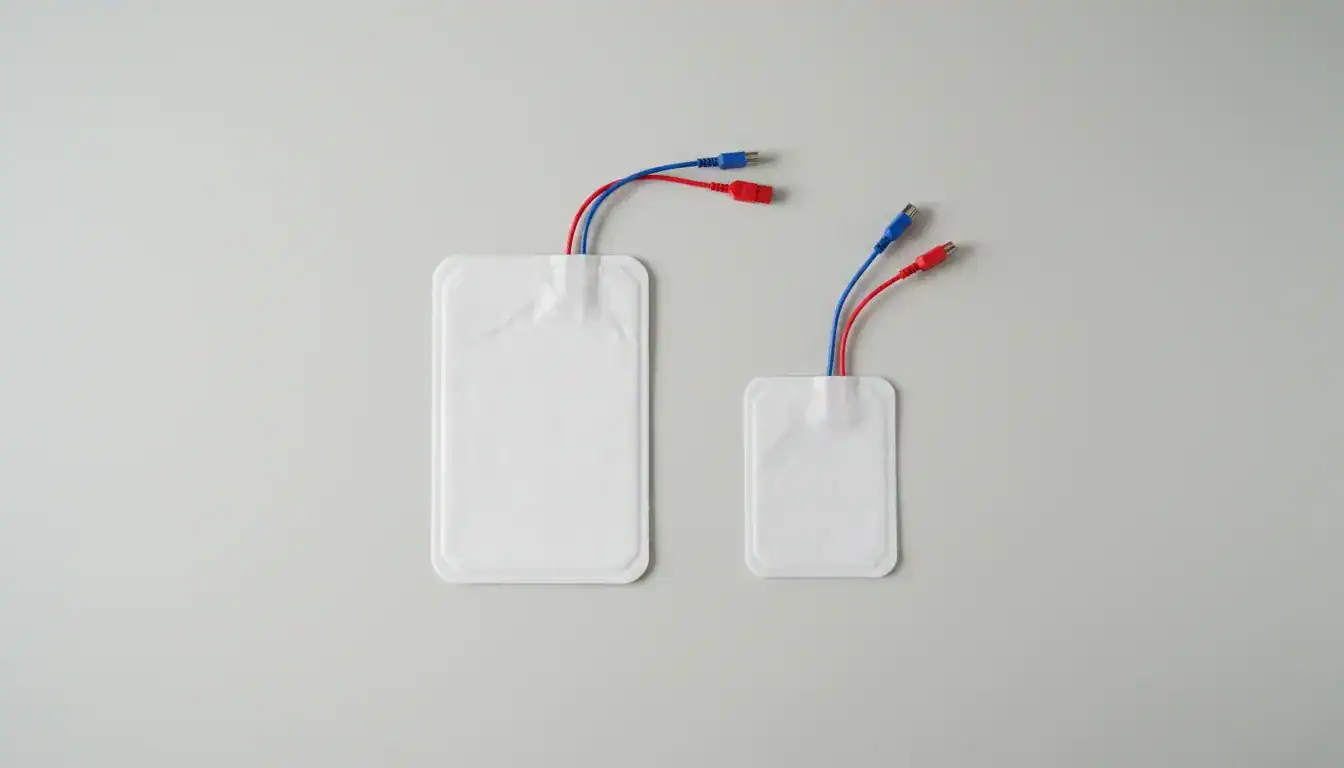
### Monitoring Heart Rate with an ECGDuring neonatal resuscitation, getting a fast and accurate heart rate is everything. While listening with a stethoscope or feeling the umbilical cord pulse are options, they can be difficult and slow, especially once chest compressions begin. This is why an electrocardiogram (ECG) is the recommended tool. The American Heart Association highlights that an ECG provides the quickest and most reliable way to monitor a newborn’s heart rate. It gives the resuscitation team a clear, continuous picture of the heart’s electrical activity, removing guesswork when seconds are critical.
Using an ECG allows the medical team to see the immediate effects of their actions. As they provide ventilation and compressions, they can watch the monitor to see if the heart rate responds. This real-time feedback is essential for making quick decisions. The guidelines emphasize reassessing the infant’s breathing, heart rate, and color every 60 seconds to ensure the resuscitation is effective. This level of precise monitoring is a core component of advanced life support training and is fundamental to giving a newborn the best possible chance of a healthy outcome.
What Medications Are Used During Resuscitation?
If a newborn’s heart rate drops below 60 BPM, we give medications. This happens even with chest compressions and proper ventilation. We do this during the next resuscitation cycle. Epinephrine raises heart rate and blood pressure. Saline boosts blood volume. In cases of blood loss, medical personnel may give O-negative packed red blood cells. Healthcare providers give these medications through an endotracheal tube or an umbilical catheter.
After Resuscitation: What Are the Next Steps?
After resuscitation, the medical team observes the newborn with great attention. They check vital signs to make sure they are stable. Doctors keep infants who breathe on their own and have a heart rate over 100 BPM after CPR close to their mothers. They are then watched for any changes.
Premature infants and those needing PPV or extensive resuscitation need special care afterward. This care is essential for their stability and recovery.
- When the lungs and heart start working, they may need extra help. Mechanical ventilation can provide that support.
- They track glucose, electrolyte levels, and fluids with great attention. We adjust infusions as needed to keep the body’s balance stable.
- Premature babies and those needing constant care go to a special unit. They call this unit the neonatal intensive care unit. Here, they receive extra treatment.
Maintaining the Newborn’s Temperature
Keeping a newborn warm is a top priority during resuscitation. A baby’s body can’t regulate its temperature as well as an adult’s, and the stress of a difficult birth can make this even harder. According to the American Heart Association, it’s critical to keep the baby’s temperature just right, as both overheating and becoming too cold can be harmful. Medical teams use tools like radiant warmers, warm blankets, and even plastic wrap for very premature infants to maintain a stable body temperature. This simple step supports all other resuscitation efforts by preventing the baby’s body from using precious energy just to stay warm, allowing it to focus on breathing and circulation.
Managing the Umbilical Cord
The approach to the umbilical cord has changed over the years. Current guidelines now recommend a practice called delayed cord clamping. For healthy, full-term babies, it’s best to wait at least 60 seconds after birth before clamping the cord. This brief pause allows more oxygen-rich blood to transfer from the placenta to the infant, which can improve iron stores and circulation. While this is the standard for a smooth delivery, the situation can change during an emergency. If a newborn requires immediate resuscitation, the medical team will prioritize starting life-saving interventions over delaying the clamp, ensuring the baby gets help as quickly as possible.
When to Consider Discontinuing Efforts
Deciding when to stop resuscitation is one of the most difficult moments in medical care. There isn’t a simple answer, but there are guidelines to help the medical team and family. If a newborn has no heartbeat after 20 minutes of continuous, high-quality resuscitation efforts, the team may begin a conversation about discontinuing care. This is never an automatic decision. It’s a compassionate consideration made by the healthcare providers in close discussion with the family, weighing the chances of survival against the potential for causing further harm. The focus is always on what is in the best interest of the newborn.
Understanding the Risks: What is Neonatal Mortality?
Early neonatal mortality happens in the first seven days. Late neonatal mortality occurs from day 7 to day 28. This measure helps check neonatal care quality. Yet, it doesn’t consider all the factors that can influence it.
In 2020, the global neonatal mortality rate was 17 deaths for every 1,000 live births. This means about 6,500 newborns die each day. Almost one-third of these deaths occur on the first day. About three-quarters happen within the first week. Survival rates for premature infants differ by location. In low-income countries, over 90% of extremely premature babies die within a few days. In contrast, fewer than 10% of those in high-income countries face the same fate.
Key Takeaways
About 10% of newborns need help to breathe. Meanwhile, 1% need intensive resuscitation. For chest compressions, use a 3:1 ratio. This means delivering 90 compressions and 30 inflations each minute. In total, there are 120 events per minute.
In delivery rooms and emergency care, we need to protect patients and healthcare workers from infections. An OSHA Bloodborne Pathogens course teaches workers the safe handling of blood and body fluids. This enhances neonatal resuscitation. It helps ensure that workers use personal protective equipment (PPE) correctly. It also ensures that infection control protocols are followed during important procedures.
Infection control is important, but being ready for emergencies is also key. This includes situations like severe bleeding in neonatal and general medical settings. A Bleeding Control Kit has the key tools to stop severe bleeding fast and well. Tourniquets, hemostatic dressings, trauma shears, and gloves help healthcare providers and bystanders respond confidently in emergencies. A bleeding control kit in delivery rooms, emergency departments, and public areas boosts emergency response plans. It also boosts patient safety.
FAQs
What Is the Basic Technique for Baby CPR?
Newborn CPR means giving light chest compressions and rescue breaths. This helps restart breathing and blood flow. If a baby isn’t breathing well and doesn’t respond, give positive pressure ventilation (PPV) for 30 seconds. If the heart rate is under 60 BPM, start chest compressions. Use a 3:1 ratio of compressions to breaths. Aim for 90 compressions and 30 breaths per minute.
When Should Chest Compressions Begin for a Newborn?
Start CPR for newborns if the heart rate stays below 60 BPM after 30 seconds of good ventilation. Use the two-thumb technique for chest compressions. Press on the lower third of the sternum. Also, make sure to provide proper ventilation.
What Are the Key Steps in Newborn CPR?
For neonatal CPR, first clear the airway. If the newborn isn’t breathing, give positive pressure ventilation. If the heart rate stays below 60 BPM and shows no improvement, start chest compressions. Use a 3:1 compression-to-breath ratio. Continue to check the newborn’s condition and adjust care as needed.
How Deep Should Compressions Be for a Newborn?
Neonatal CPR requires chest compressions that are one-third of the way deep. This depth measures from the front to the back of the chest. Proper technique ensures effective circulation while minimizing potential injury.
How Does Newborn CPR Differ from Adult CPR?
Newborns have delicate structures and underdeveloped lungs, requiring a specialized CPR approach. Neonatal resuscitation is different from adult CPR. Adult CPR uses a 30:2 ratio, but neonatal resuscitation uses a 3:1 compression-to-breath ratio. This helps with proper oxygenation and circulation.
Key Reminders for Newborn CPR
Neonatal CPR is a vital life-saving skill. It needs accuracy and the right methods. This helps newborns who have trouble breathing or keeping blood flowing. Knowing when to start CPR is crucial. The right compression-to-breath ratio matters too. Effective ventilation can significantly boost survival rates. Newborns are very vulnerable right after birth. So, quick and skilled help is crucial. Regular training and adherence to neonatal resuscitation guidelines improve infant recovery. Effective care after resuscitation also plays a key role.
In Missouri, healthcare workers and caregivers can get specialized neonatal CPR training. They can find this training at hospitals, clinics, and certified centers. These programs use the latest resuscitation guidelines. They focus on the specific techniques to care for newborns in critical times. Training in Missouri is great for medical providers and new parents. It helps you feel more confident when managing neonatal emergencies.
How to Perform CPR on an Infant at Home
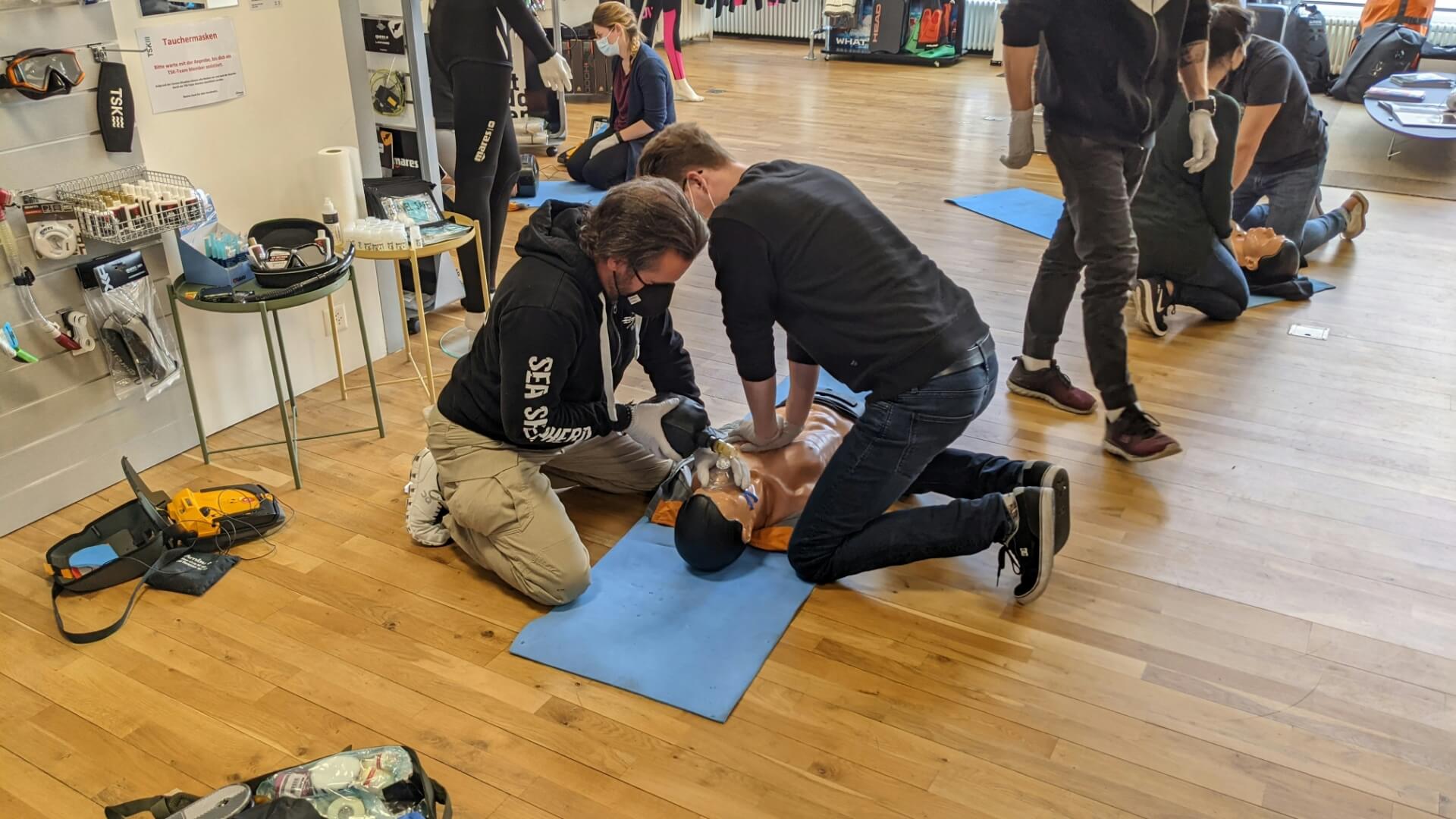
Knowing how to respond when an infant is unresponsive can make all the difference. While the information here is a guide, it is not a substitute for formal training. In a real emergency, the muscle memory and confidence gained from hands-on practice are invaluable. The following steps outline the process for performing CPR on an infant (a child under one year of age) in a home setting. The primary goal is to restore blood flow and oxygen to the brain and other vital organs until professional medical help arrives. Remember to stay as calm as possible and follow each step methodically. Your quick, informed actions can provide a critical bridge to survival for a little one in crisis.
Before you begin, it’s important to understand that infant CPR differs from adult CPR in a few key ways, including the amount of force used for compressions and the technique for rescue breaths. An infant’s body is incredibly fragile, so precision is essential. These steps are based on the latest guidelines for lay rescuers—people like parents, grandparents, and babysitters—who are often the first on the scene in a home emergency. Taking a few minutes to familiarize yourself with this process is a powerful step toward protecting the children in your care. Let’s walk through what you need to do.
Step 1: Ensure the Scene is Safe and Check for Responsiveness
Before you approach the infant, take a quick moment to scan your surroundings. Is there anything that could harm you or the baby, like exposed wires, a fire, or other immediate dangers? Your safety comes first, because you can’t help if you get hurt. Once you’ve confirmed the area is safe, you need to determine if the infant is conscious. Place the baby on their back on a firm, flat surface, like the floor or a table. An infant’s airway is very narrow, so proper positioning is critical. Their head should be in a neutral position, almost as if they are sniffing the air, to ensure the airway remains open. Avoid placing anything under their head that could cause it to tilt too far forward or back.
How to Safely Check if a Baby is Responsive
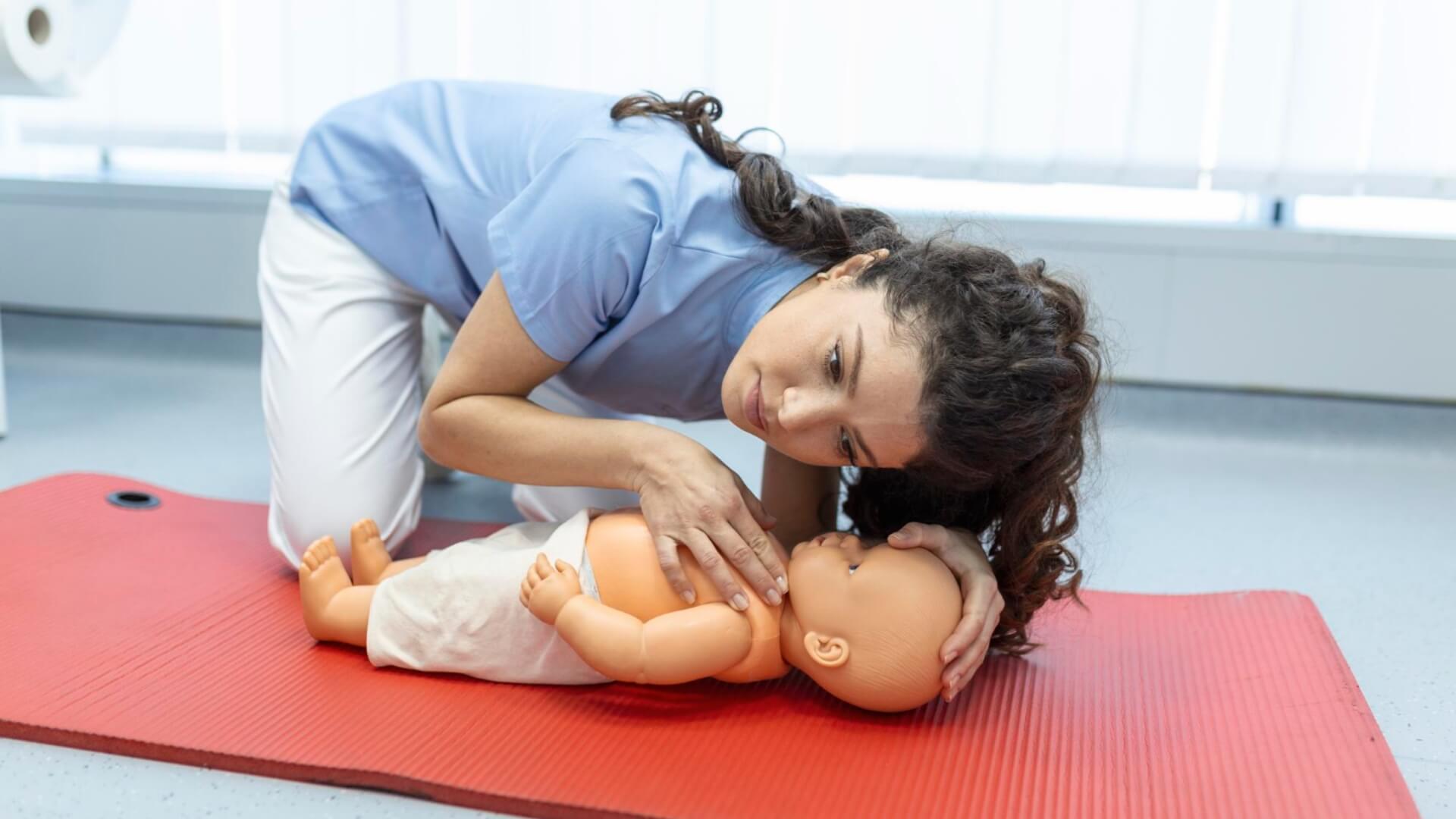
To check for responsiveness, don’t shake the baby. Instead, gently tap the bottom of their foot and call their name loudly. Watch for any reaction, like movement, crying, or cooing. As you do this, simultaneously check for normal breathing. Lean down close to the baby’s face and look, listen, and feel for signs of breathing for no more than 10 seconds. Look for the chest to rise and fall, listen for breath sounds, and feel for their breath on your cheek. Agonal gasps—which can look like snoring, snorting, or gulping—are not normal breathing and are a sign of cardiac arrest. If the infant does not respond and is not breathing or only gasping, it’s time to act immediately.
Step 2: Call for Help
Activating the emergency response system is one of the most important things you can do. If someone else is with you, point to them directly and tell them, “Call 911 and get an AED if one is available.” Being specific prevents confusion and ensures someone takes immediate action. Have them put the phone on speaker so you can communicate with the dispatcher while you begin CPR. The dispatcher can provide instructions and support until paramedics arrive. Getting professional help on the way as quickly as possible is crucial, as they have the advanced equipment and training needed to provide the next level of care. Don’t delay this step; every second counts in a cardiac emergency.
When to Call 911 if You Are Alone
If you are by yourself, the guidance on when to call 911 depends on the situation. If you witnessed the infant suddenly collapse, it’s likely a cardiac issue, and you should call 911 immediately before starting CPR. However, if you find the infant already unresponsive and did not see them collapse, the cause is more likely a respiratory problem. In this case, you should immediately begin CPR and perform five full cycles (about two minutes) *before* pausing to call 911. After making the call, resume CPR until help arrives. This strategy ensures the baby receives immediate oxygen and circulation, which is often the most critical intervention for breathing-related emergencies in infants.
Step 3: Give Rescue Breaths
For an infant, respiratory arrest is a more common cause of cardiac arrest than it is for adults. Because of this, providing rescue breaths is a critical part of the CPR process. Proper ventilation can sometimes be enough to get the heart to start beating again. To begin, you need to open the infant’s airway. Place one hand on their forehead and gently tilt the head back to a neutral or “sniffing” position. Be careful not to hyperextend the neck, as this can block their tiny airway. Use the fingers of your other hand to lift the chin. This simple maneuver lifts the tongue away from the back of the throat, clearing the path for air to enter the lungs.
The Mouth-to-Mouth-and-Nose Technique
With the airway open, take a normal breath (not a deep one) and place your mouth completely over the infant’s mouth and nose, creating a tight seal. Give a gentle puff of air for about one second—just enough to make you see the baby’s chest rise. If the chest doesn’t rise, the airway might be blocked. Reposition the head and chin and try again. Give a second rescue breath, again watching for the chest to rise. Puffs that are too forceful can damage the infant’s lungs, so think “gentle” with every breath. These two initial breaths deliver vital oxygen to the bloodstream before you begin chest compressions.
Step 4: Perform Chest Compressions
After giving two rescue breaths, it’s time to start chest compressions. The purpose of compressions is to manually pump the heart, circulating oxygenated blood to the brain and other vital organs. This action keeps the body’s systems viable until the heart can be restarted. For an infant, proper hand placement is crucial to ensure you are compressing the heart effectively without causing injury. Imagine a line connecting the infant’s nipples. Place two fingers of one hand on the center of the chest, just below this line on the breastbone. This is the spot where you will apply pressure. Keep your other hand on the infant’s forehead to maintain an open airway.
The 30:2 Ratio for a Single Rescuer
If you are the only rescuer, you will use a ratio of 30 compressions to 2 breaths. Position your two fingers on the center of the infant’s chest and push down hard and fast. The compression depth should be about 1.5 inches, which is roughly one-third the depth of the chest. The rate should be between 100 and 120 compressions per minute—to the beat of the song “Stayin’ Alive.” After 30 compressions, give two gentle rescue breaths, then immediately return to compressions. Continue this 30:2 cycle without interruption until you see obvious signs of life, an AED becomes available, or another trained rescuer or EMS personnel takes over.
The 15:2 Ratio for Two Rescuers
If a second rescuer is available, the CPR technique becomes even more effective. One person will handle compressions while the other gives rescue breaths, and you will switch to a 15:2 ratio. The person performing compressions should use the two-thumb-encircling-hands technique: wrap both hands around the infant’s chest and use your thumbs to deliver compressions in the same location. This method provides better blood flow and is less tiring. After 15 compressions, the second rescuer gives two breaths. The team should switch roles every two minutes or five cycles to prevent fatigue, which can lead to a decrease in compression quality. This coordinated approach is the standard for healthcare providers and is highly effective.
Why Hands-On Training is Essential
Reading about CPR is an important first step, but it can’t replicate the experience of performing these skills. In a high-stress emergency, your body will rely on what it has practiced. Hands-on training builds muscle memory, allowing you to act confidently and effectively without having to stop and recall instructions from an article. An instructor-led course provides real-time feedback on your technique, ensuring you are compressing to the correct depth and rate and giving effective breaths. You’ll practice on infant manikins that are designed to simulate the feel of a real baby, which helps you understand the right amount of force to use. This practical experience is what transforms knowledge into a true life-saving ability.
Infant CPR is a vital skill that requires accuracy and proper methods to be effective. A certified course ensures you learn the most current, evidence-based guidelines from the American Heart Association or other recognized bodies. You’ll also learn how to handle common complications, like what to do if the chest doesn’t rise during rescue breaths or how to use an AED on an infant. This comprehensive approach prepares you for the realities of an emergency. At CPR1.com, our courses are taught by experienced professionals, many with backgrounds as first responders, who create a supportive environment where you can ask questions and perfect your skills until you feel completely prepared to respond.
Building Real-World Confidence
The single biggest benefit of hands-on training is confidence. When an infant isn’t breathing, panic is a natural reaction. But training gives you a clear plan of action, helping you push past the fear and focus on what needs to be done. Practicing the steps of CPR over and over in a controlled setting makes the process feel familiar and manageable. You’ll learn to assess the scene, check for responsiveness, and seamlessly transition between compressions and breaths. This preparation helps you stay calm and function effectively under pressure. Knowing you have the skills to make a difference can empower you to take control of a terrifying situation and provide the best possible chance for a positive outcome.
Certification for Parents, Caregivers, and Professionals
Whether you’re a new parent, a babysitter, a daycare provider, or a healthcare professional, getting certified in infant CPR is one of the most important things you can do. Formal training is widely available through certified centers, hospitals, and organizations like ours. At CPR1.com, we offer a range of CPR, AED, and First Aid courses designed for everyone. We provide onsite training for organizations like schools and businesses, as well as courses for individuals and families who want to be prepared for emergencies at home. Completing a certification course not only equips you with life-saving skills but also provides peace of mind, knowing you are ready to protect the most vulnerable among us.
Related Articles
Disclaimer for information purposes only:
The information provided on this website is intended for general educational and informational purposes only. It is not medical advice and should not be used as a substitute for professional diagnosis, treatment, or care. Always consult a qualified healthcare or medical professional regarding any health-related questions or concerns.
While we strive to ensure the information shared is accurate and up to date, no guarantees are made regarding completeness, accuracy, or applicability to any individual situation. Use of this content is at the reader’s sole discretion and risk.
This website is part of the Response Ready family of emergency preparedness and training resources, including CPR & first aid training and compliance services, AED sales and program support, AED program management software, and medical oversight solutions provided through our affiliated platforms:
• AEDLeader.com
• ResponseReady.com
• AEDTotalSolution.com
• MDSIMedical.com
By accessing or using this website, you agree to release, indemnify, and hold harmless the website owners, authors, contributors, and affiliated entities from any claims, losses, damages, or liabilities arising from the use or reliance on the information presented.

Anastasios Giannikas
Anastasios Giannikas
Save Lives with the Right AED Today
Buy Trusted AEDs from AED Leader Today!
Get Certified in CPR and Make a Difference!