
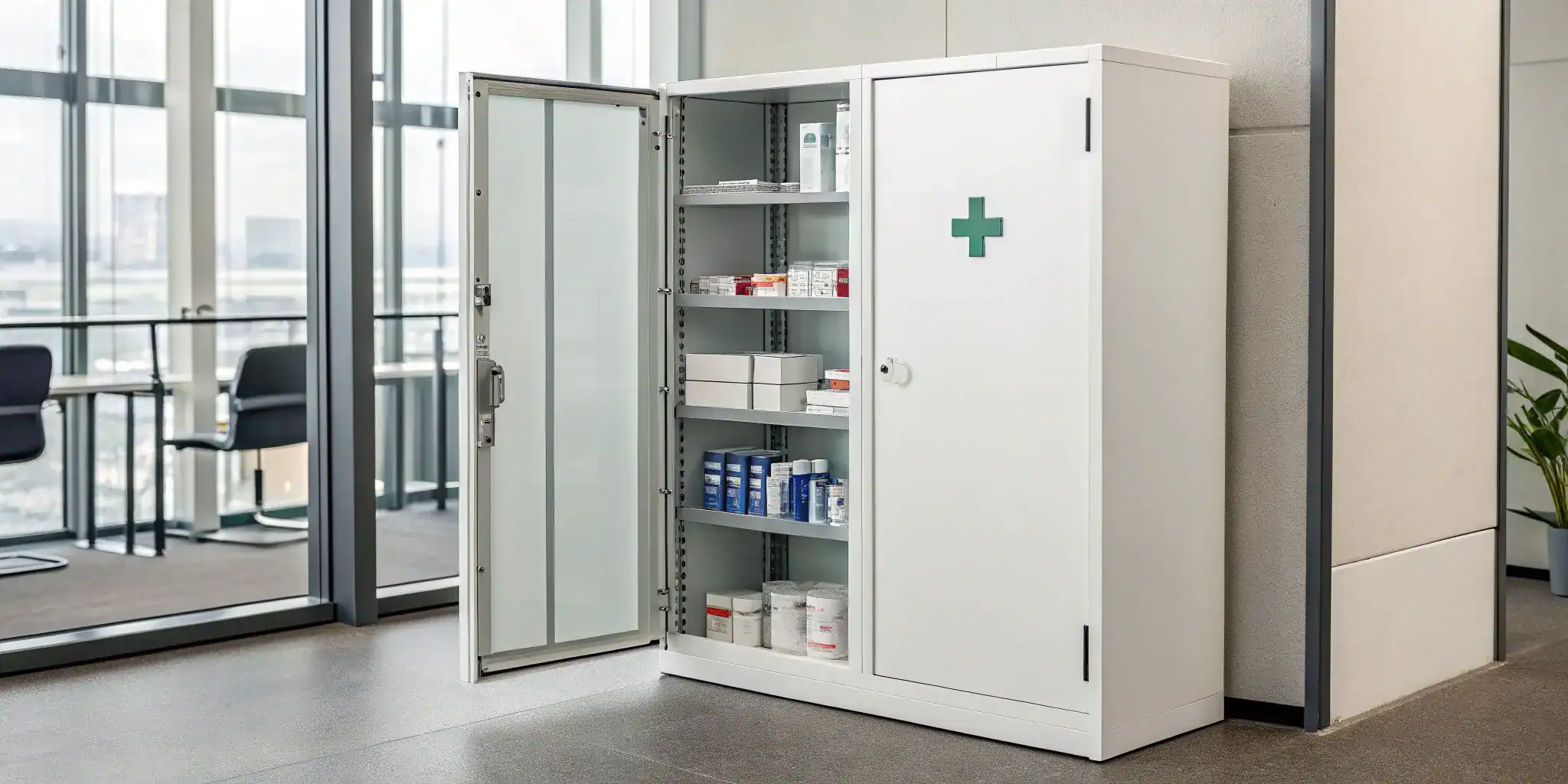
A first aid kit in the office breakroom should be much more than a simple box of bandages and aspirin. In a professional setting, first aid is a serious responsibility, guided by national standards to ensure you’re prepared for common injuries. The supplies you have on hand need to be specific, organized, and appropriate for the risks your employees face every day. A proper workplace ANSI first aid cabinet is the benchmark for this level of preparedness. It’s designed not just for minor scrapes, but to provide effective care in the critical moments after an incident. Let’s explore what these standards mean and how to ensure your kit is truly ready for action.
Key Takeaways
- Choose Your Kit Based on Risk, Not Guesswork: Assess your workplace’s specific hazards to determine whether you need a Class A cabinet for common office injuries or a more robust Class B cabinet for higher-risk environments like construction or manufacturing.
- Place Your Cabinet for Quick and Easy Access: Ensure your first aid supplies are readily available by placing unlocked cabinets in central, visible locations. Use wall-mounted units for fixed stations and portable kits for company vehicles or mobile teams.
- Turn Preparedness into a Habit: A first aid cabinet is only effective if it’s maintained. Create a routine to inspect supplies monthly, restock immediately after use, and pair your equipment with hands-on training to ensure your team is ready to respond.
What is an ANSI-Compliant First Aid Cabinet?
When you think of a first aid kit, you might picture a simple box with a few bandages and some antiseptic wipes. But in a workplace, first aid is a serious part of your safety plan. An ANSI-compliant first aid cabinet is a kit designed to meet specific guidelines set by the American National Standards Institute (ANSI) and the International Safety Equipment Association (ISEA). These standards ensure your cabinet is stocked with the right supplies to handle common workplace injuries, from minor scrapes to more serious incidents. Think of it as a roadmap for workplace preparedness, helping you stay compliant and keep your team safe.
What are the ANSI/ISEA Z308.1-2021 Standards?
The official guideline for workplace first aid is the ANSI/ISEA Z308.1-2021 standard. This standard simplifies things by sorting kits into two main categories based on the work environment.
Class A kits are designed for common injuries in lower-risk settings, like an office or a small retail shop. They include a basic but essential assortment of supplies for things like minor cuts, scrapes, and burns.
Class B kits are for higher-risk environments, such as manufacturing plants, construction sites, or workplaces with a larger number of employees. These kits contain more supplies and a broader range of items to handle more complex or severe injuries.
How ANSI Cabinets Help You Meet OSHA Requirements
Meeting OSHA requirements is a top priority for any safety manager or business owner. While OSHA doesn’t provide its own specific checklist for first aid kit contents, it does require employers to have adequate first aid supplies readily available. To make things clear, OSHA directly references the ANSI standard as a reliable guide for compliance. According to OSHA, a kit following the ANSI Z308.1 guidelines is appropriate for a small worksite. By choosing an ANSI-compliant cabinet, you’re not just getting a box of supplies; you’re taking a clear, recognized step toward fulfilling your OSHA first aid obligations and protecting your team.
Decoding Container Types: I, II, and III
The ANSI standard doesn’t just cover what’s inside the kit—it also classifies the container itself. This ensures your supplies stay protected and accessible, no matter your work environment. There are three main types to know:
- Type I: These are stationary, wall-mounted cabinets meant for indoor settings like an office or breakroom. They aren’t designed to be moved.
- Type II: These are portable kits intended for indoor use. They’re easy to grab and carry to an incident location within a building.
- Type III: These portable kits are built tougher for both indoor and outdoor use. They typically have a water-resistant seal, making them perfect for job sites, company vehicles, or any environment where they might be exposed to the elements.
Class A vs. Class B: What’s the Difference?
When you’re looking at ANSI-compliant first aid cabinets, you’ll see two main categories: Class A and Class B. The right choice depends entirely on your work environment. Think of it this way: Class A kits are designed for common, low-risk workplace injuries, while Class B kits are equipped for more serious incidents that can happen in higher-risk settings. Understanding the distinction is the first step to making sure your team has the right supplies on hand when they need them most. Let’s break down what each class includes and which one fits your business.
Class A Cabinets: What’s Inside and Who Needs Them
Class A first aid kits are the standard for most low-risk work environments. If you run an office, a small retail shop, or another setting where the primary risks are minor cuts, scrapes, or burns, a Class A cabinet is likely what you need. These kits contain a basic but essential assortment of supplies to handle everyday incidents. Inside, you’ll find items like adhesive bandages, gauze pads, antiseptic wipes, burn dressings, and eye wash. The ANSI/ISEA Z308.1-2021 standard specifies the minimum quantity for each item, ensuring you have enough supplies for a small team. It’s the perfect starting point for creating a safe workplace.
Class B Cabinets: For Higher-Risk Workplaces
Class B cabinets are built for more demanding and hazardous work environments. Think construction sites, manufacturing floors, warehouses, and kitchens—places where the potential for serious injury is greater. These kits include a broader range and larger quantity of supplies than their Class A counterparts. In addition to everything found in a Class A kit, a Class B cabinet must also contain a splint for fractures and a tourniquet for severe bleeding. The quantities of basic supplies like bandages and gauze are also much higher to handle more significant injuries or multiple incidents. If your workplace involves heavy machinery, physical labor, or other complex hazards, a Class B kit is the responsible choice.
Choose the Right Class for Your Business
Deciding between a Class A or Class B cabinet comes down to a careful assessment of your workplace. Don’t just guess—you need to consider a few key factors. Start by evaluating the potential hazards your employees face daily. What kind of injuries are most likely to occur? Next, consider your team’s size and the layout of your facility. A larger workforce or a sprawling building might require multiple cabinets or a more robust Class B setup. The official OSHA guidance on first aid is a great resource for performing this assessment. By analyzing your specific risks, you can confidently select the right cabinet and ensure you’re prepared for any situation.
What’s Inside an ANSI First Aid Cabinet?
Opening an ANSI-compliant first aid cabinet isn’t like rummaging through your medicine drawer at home. Every single item inside is there for a reason, specifically chosen to meet the ANSI/ISEA Z308.1-2021 standard for workplace first aid. These national standards outline the minimum required supplies to handle the most common incidents you might face on the job, like cuts, burns, sprains, and eye irritation. Think of it as your first line of defense—a carefully curated set of tools designed to provide immediate care before professional help can arrive.
The contents are intentionally organized to make it easy to find what you need in a stressful situation. You won’t have to dig around for a bandage. Instead, you’ll find supplies grouped into logical categories: items for wound care, antiseptics for cleaning, treatments for burns, and essential tools to administer aid safely. Whether you have a Class A cabinet for a low-risk office or a more comprehensive Class B cabinet for a high-risk construction site, the core components are designed to manage bleeding, prevent infection, and stabilize an injury. Understanding what’s inside helps you not only stay compliant with safety regulations but also feel confident that your team has the resources they need when it matters most.
Bandages and Wound Care Essentials
The most-used items in any first aid kit are almost always for wound care. An ANSI-compliant cabinet is stocked to handle everything from a minor paper cut to a more serious laceration. You’ll find a variety of adhesive bandages in different sizes, sterile gauze pads for applying pressure to bleeding wounds, and adhesive tape to hold dressings in place. For more significant injuries, the kit includes larger trauma pads designed to absorb fluid and protect the wound. These supplies are fundamental for controlling bleeding and creating a barrier against infection, which are the first critical steps in treating any open wound.
Antiseptics and Eye Wash Solutions
Keeping a wound clean is just as important as stopping the bleeding. That’s why every ANSI cabinet includes supplies for sanitation and disinfection. Antiseptic towelettes are provided to clean wounds and the surrounding skin, reducing the risk of infection. You’ll also find hand sanitizer to ensure the person providing aid can clean their hands before and after treatment. A crucial component for both Class A and B kits is an eye wash solution. This sterile solution is essential for flushing foreign materials like dust, debris, or chemicals from the eyes, providing immediate relief and preventing further damage.
Burn Treatment and Pain Relief
Workplace accidents can often involve minor burns from equipment, chemicals, or hot surfaces. ANSI-compliant cabinets contain specific supplies to address these injuries right away. Burn dressings, often made of a gel-soaked material, are included to cool the affected area, soothe pain, and cover the burn to prevent contamination. You’ll also find individual packets of burn cream that serve a similar purpose. While some kits may include over-the-counter pain relievers, it’s important to check your company’s policy before stocking or administering them. The primary goal of these supplies is to provide immediate care that stabilizes the injury until a medical professional can assess it.
Tools and Emergency Supplies
Beyond bandages and ointments, a well-stocked cabinet includes the tools needed to deliver first aid effectively and safely. Every kit contains disposable medical gloves to protect the caregiver from exposure to bodily fluids. You’ll also find scissors for cutting clothing away from an injury or trimming bandages to size, plus tweezers for removing splinters or other small debris from a wound. A first aid guide is another required item, offering step-by-step instructions for common emergencies. For higher-risk environments, Class B kits also include a splint to immobilize fractures and a tourniquet to control severe bleeding in an extremity.
How to Choose the Right Cabinet for Your Workplace
Picking the right first aid cabinet is more than just checking a box on your compliance list. It’s about creating a safety net that’s perfectly tailored to your team and their environment. A cabinet that works for a small accounting firm won’t cut it for a bustling manufacturing plant, and that’s exactly how it should be. The goal is to have the right supplies on hand, right when you need them most.
To get it right, you need to look at your workplace through a safety lens. Think about three key areas: the size and layout of your team, the common risks associated with your industry, and the specific hazards present in your unique workspace. By walking through these factors, you can move beyond basic compliance and build a first aid program that truly protects your people. This thoughtful approach ensures you select a cabinet that is not only OSHA compliant but also genuinely effective for the real-world situations your employees might face. Let’s break down how to assess each of these areas.
Assess Your Team Size and Location
First, let’s talk numbers. The size of your team is a primary factor in determining how many supplies you’ll need. As OSHA notes, a standard ANSI-compliant kit is generally fine for a small worksite, but larger operations need more robust provisions to meet their workforce’s needs. A good rule of thumb is to have one well-stocked cabinet for every 25 to 50 employees, but don’t forget to consider your facility’s layout.
If your team is spread out across a large warehouse, multiple floors, or separate buildings, one central cabinet won’t be enough. You need to place first aid supplies where they are easily accessible—ideally within a few minutes’ walk from any point in the workplace. Map out your facility and identify logical, high-traffic spots for each cabinet.
Identify Your Industry’s Unique Risks
Every industry has its own set of common injuries. A corporate office might deal with paper cuts and headaches, while a construction site faces risks of serious lacerations, falls, and debris in the eyes. This is where the distinction between Class A and Class B kits becomes critical. ANSI standards define Class A kits for treating minor injuries in lower-risk settings. Class B kits, on the other hand, are designed for higher-risk environments where more severe injuries are possible.
Think about the day-to-day tasks your team performs. A restaurant kitchen needs more burn cream and waterproof bandages. A landscaping crew requires supplies for insect stings and deep cuts. Matching your cabinet class to your industry’s risk level is the most effective way to prepare for the most likely incidents.
Evaluate Environmental and Equipment Hazards
Finally, take a detailed walk through your specific worksite. Beyond general industry risks, what unique hazards exist in your environment? This includes everything from the machinery your team operates to the chemicals they handle. Assessing these specific hazards is a core part of meeting ANSI and OSHA first aid requirements. Do you have heavy equipment that poses a crushing risk? Are there chemicals that could splash into someone’s eyes? Is your team exposed to extreme heat or cold?
These specific factors may mean you need to supplement your standard cabinet with specialized supplies. For example, a dedicated eyewash station is a must for any area with chemical splash hazards. If there’s a risk of severe bleeding, having a tourniquet and hemostatic dressing—along with proper Stop the Bleed training—is essential.
A Quick Look at Top First Aid Cabinet Brands
Once you know what your workplace needs, you can start exploring different brands. While many companies sell first aid kits, a few names stand out for their focus on workplace compliance and quality. Choosing the right brand isn’t just about buying a box of bandages; it’s about partnering with a supplier that understands safety regulations and can help you stay prepared. Think about factors like the variety of kits they offer, their reputation, and how easily you can get refills. A reliable brand makes it simpler to keep your team safe and your business compliant.
CPR1.com’s First Aid Solutions
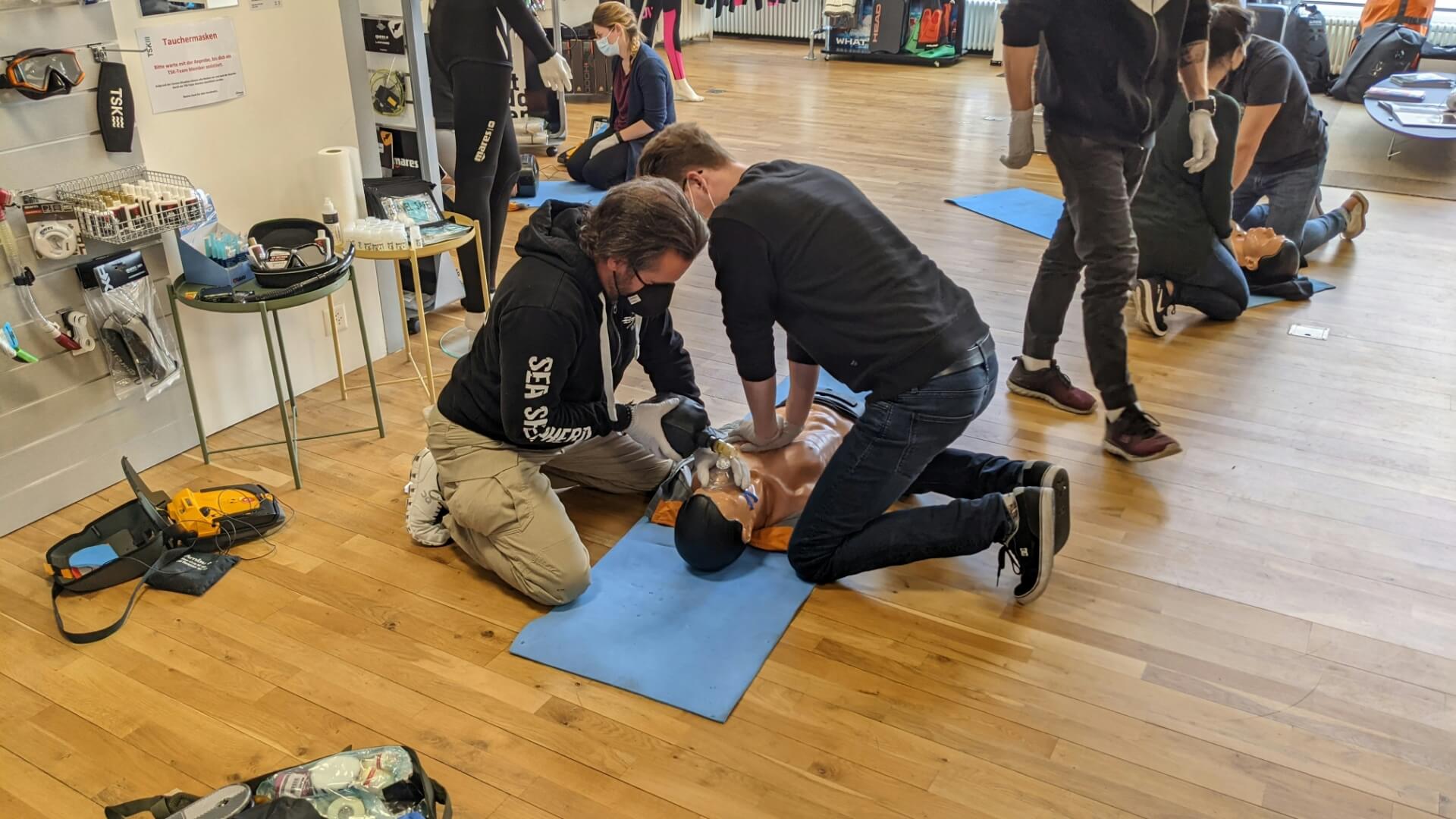
We believe that a first aid cabinet is more than just a requirement—it’s a critical part of your overall safety plan. That’s why our first aid solutions are designed to meet strict ANSI standards, ensuring you have exactly what you need to be compliant. But having the right supplies is only half the battle. Your team also needs the confidence to act in an emergency. Our Adult First Aid/CPR/AED blended learning course perfectly complements our kits, giving your employees the hands-on skills to use every item effectively. We provide an integrated approach, combining compliant products with essential training to create a truly response-ready workplace.
Comparing First Aid Only, American Red Cross, and Pac-Kit
As you shop around, you’ll likely encounter a few key players in the industry. First Aid Only is well-known for its comprehensive, all-in-one kits that are perfect for businesses looking for a straightforward solution. The American Red Cross brings a legacy of trust and a strong focus on emergency preparedness, often integrating their products with their renowned training programs. Pac-Kit stands out by offering highly customizable kits, which is a great option if your workplace has unique risks that require specific supplies. Each brand offers quality, ANSI-compliant options, so your choice may come down to your specific needs for customization or brand recognition. Exploring a complete list of first aid courses can also help you decide which brand’s philosophy aligns with your training goals.
How to Compare Price and Value
It’s easy to get caught up in comparing prices, but true value comes from looking at the bigger picture. The cheapest cabinet isn’t a good deal if it’s filled with low-quality supplies that won’t work when you need them or if it fails to meet ANSI standards. When evaluating your options, consider the quality and quantity of the components inside. Does the kit provide everything required for your specific class (A or B)? Is the cabinet durable and easy to access? A slightly higher upfront cost for a well-organized, fully compliant cabinet from a trusted supplier is an investment in your team’s safety and your company’s liability protection. Pairing it with recognised first aid courses further increases its value by ensuring your team is truly prepared.
Key Features to Look For in a First Aid Cabinet
Once you’ve decided between a Class A or Class B kit, the next step is to choose the right physical cabinet. The container itself plays a huge role in how effective your first aid program will be. A well-chosen cabinet keeps supplies organized, protected, and ready for action, while a poor choice can create dangerous delays in an emergency. Key factors like where the cabinet is located, whether it’s portable, and how it’s secured are just as important as what’s inside. Let’s walk through the main features to consider so you can find the perfect fit for your workplace.
Wall-Mounted vs. Portable: Which is Best?
The right choice between a wall-mounted cabinet and a portable kit really comes down to how and where your team works. Wall-mounted cabinets are excellent for creating a central, reliable first aid station in a fixed location like an office, manufacturing floor, or school hallway. Mounting the cabinet on a wall saves valuable floor space and ensures everyone knows exactly where to go for help. It keeps supplies organized and easy to see at a glance.
Portable kits, on the other hand, are designed for mobile work environments. If you manage a construction crew, a fleet of service vehicles, or field-based employees, a portable kit is essential. It allows your team to take critical supplies directly to the site of an injury. Many businesses find they need a combination of both: a main wall-mounted cabinet and several portable first aid kits for company vehicles or off-site jobs.
Security and Locking Features
It might seem like a good idea to lock your first aid cabinet to prevent tampering or theft of supplies, but this can be a serious compliance issue. OSHA requires that first aid supplies be “readily available” when an injury occurs. If an emergency happens and the only person with the key is out to lunch or on another floor, you’re not in compliance, and more importantly, you’re delaying critical care.
If you absolutely must secure the cabinet, consider using a breakaway plastic seal instead of a lock. This allows you to see if the cabinet has been opened but doesn’t require a key. If you do use a lock, you must ensure that a key is accessible to all employees on all shifts. A better solution for most workplaces is to place an unlocked cabinet in a visible but supervised area, like a breakroom or main office.
Accessibility and Placement Rules
Where you place your first aid cabinet is just as important as what’s inside it. The cabinet must be located in an area that is easy for all employees to access quickly. It should be installed in a well-lit, central location that is free of obstructions. Avoid placing it in a cluttered storage room or an office that is often locked. A visible spot in a common area like a hallway or kitchen is often the best choice.
According to the OSHA standard for medical services and first aid, emergency supplies must be available in the absence of a nearby medical facility. While the rules don’t specify an exact distance, the ANSI standard suggests that supplies should be accessible within a 3-4 minute walk. For larger facilities, this may mean installing multiple cabinets. Always mark the location clearly with a “First Aid” sign so it can be found without hesitation.
How to Maintain and Restock Your Cabinet
An ANSI-compliant first aid cabinet is a fantastic start, but its value depends entirely on how well you maintain it. Think of it as a living part of your safety program, not a one-time purchase. A cabinet with missing supplies or expired ointments won’t do anyone any good in an emergency. Staying prepared means being proactive. The key is to establish a simple, repeatable system for checking, tracking, and replenishing your supplies. This ensures you remain compliant with safety standards and, more importantly, that your team has what it needs when seconds count.
A well-maintained cabinet sends a powerful message to your employees: their safety is a priority. It’s a tangible symbol of a healthy safety culture, showing that preparedness goes beyond just meeting a requirement. Neglecting it, on the other hand, can create a false sense of security and expose your organization to unnecessary risk and potential OSHA citations. The process doesn’t have to be complicated. By breaking it down into a few routine tasks—regular inspections, tracking expiration dates, and immediate restocking—you can easily keep your cabinet in a constant state of readiness. This transforms it from a simple box on the wall into a reliable resource that protects your most valuable asset: your people.
Create a Regular Inspection Checklist
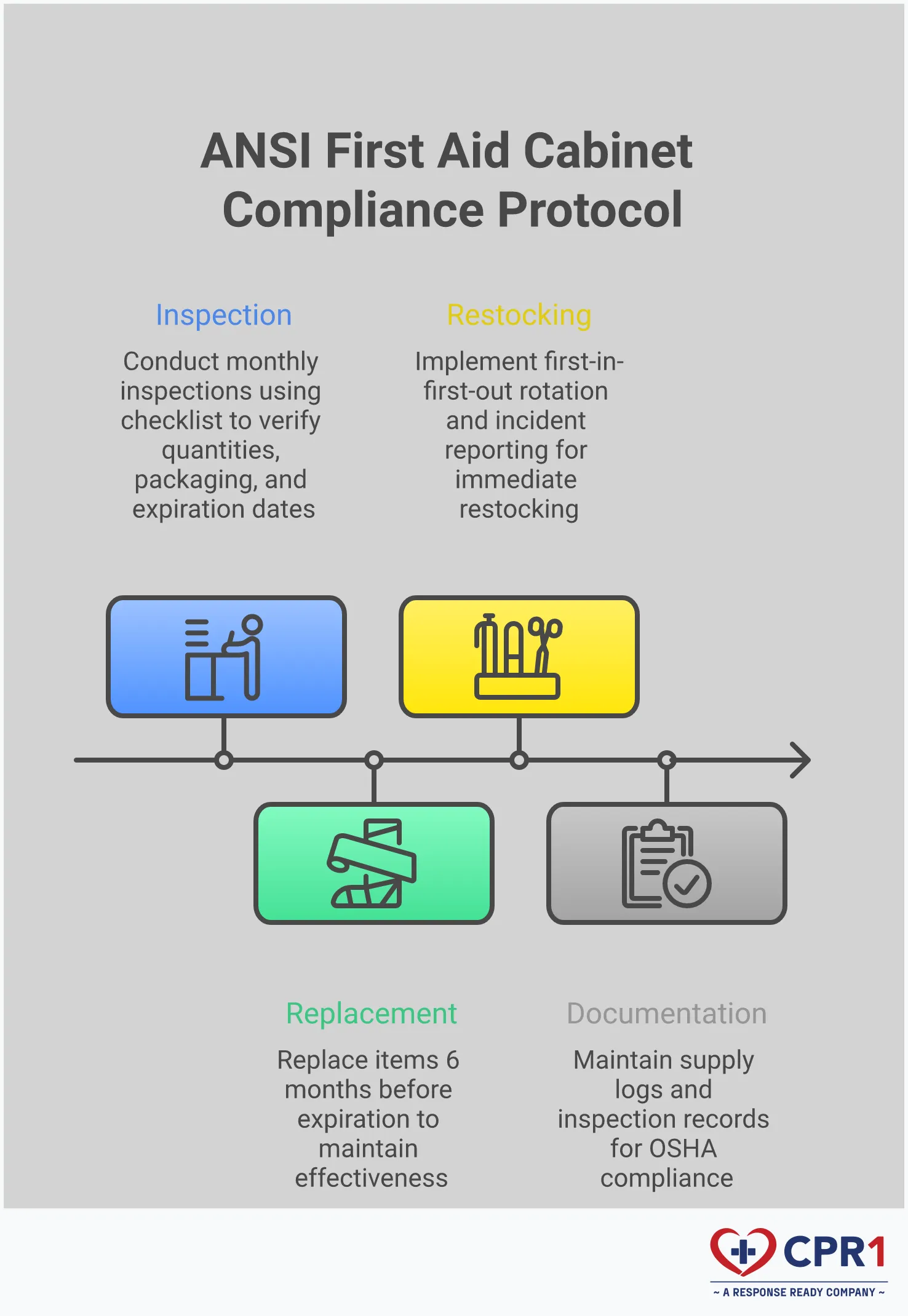
To keep your first aid cabinet ready for action, you need a consistent inspection routine. Don’t just eyeball it—create a formal checklist and schedule monthly reviews. This simple step ensures nothing gets overlooked. Your checklist should include verifying the quantities of every item against the ANSI requirements for your cabinet class, checking for any damaged or opened packaging, and noting upcoming expiration dates. Assigning this responsibility to a specific person or a safety committee creates accountability. A great safety program is built on these small, consistent actions, much like the systems used for AED program management that track readiness and compliance automatically. A checklist makes the process quick, thorough, and easy to document.
Track Expiration Dates and Replace Supplies
Those little dates printed on bandages and ointments are there for a reason. Over time, sterile items can lose their integrity, and medications can lose their effectiveness. Following the ANSI/ISEA Z308.1 standard means actively tracking these expiration dates and replacing supplies before they become unusable. Keep a log sheet inside the cabinet door or set up digital calendar reminders for items that will expire in the next few months. When you add new items, place them at the back and move older ones to the front. This “first-in, first-out” method helps you use up supplies efficiently. When it’s time to reorder, you can find all the necessary first aid supplies to keep your cabinet fully stocked and compliant.
Restock Immediately After an Incident
The most critical time to check your first aid cabinet is right after it’s been used. Restocking immediately after an incident is vital for ensuring your cabinet is always prepared for the next emergency. Create a simple procedure where employees report any supplies they’ve used to the designated safety manager. This closes the loop and prevents a scenario where someone reaches for a bandage or antiseptic wipe only to find an empty box. Keeping a small backstock of commonly used items can make this process even faster. Remember, a well-stocked cabinet is just one piece of the puzzle. Proper workplace safety training ensures your team knows how to respond effectively and use those supplies correctly when it matters most.
Where to Buy Your ANSI-Compliant First Aid Cabinet
Once you know what you need, the next step is finding a reliable place to buy it. The right supplier won’t just sell you a product; they’ll provide a solution that fits your workplace and ensures you meet safety standards. It’s about finding a partner who understands the importance of readiness and compliance. From single kits for small offices to comprehensive supply programs for large corporations, knowing where to look and what to expect can make the process straightforward and effective.
Finding a Trusted Safety Supplier
Look for a supplier that specializes in workplace safety and clearly states that their products meet ANSI standards. This isn’t the time to bargain hunt on a random marketplace; you need to trust that the contents are high-quality, sterile, and effective. A dedicated safety provider ensures consistent quality control, which is essential for both compliance and the well-being of your team. Reputable suppliers will have detailed product descriptions and can answer any questions you have about meeting OSHA requirements. This guarantees you’re not just buying a box, but a genuine safety solution that protects your employees when it matters most.
Options for Bulk and Corporate Orders
If you’re outfitting multiple locations, a large facility, or a growing team, buying one cabinet at a time isn’t practical. Many safety suppliers offer bulk purchasing options that can save you time and money. This is especially helpful for safety managers and HR professionals responsible for company-wide compliance. When you partner with a comprehensive provider, you can often bundle your purchase with other services, like onsite safety training or AED program management. This streamlines your entire safety program, placing everything from supplies to training and compliance under one trusted vendor, making your job much easier to manage.
What to Expect for Pricing
The cost of an ANSI-compliant first aid cabinet can vary quite a bit. Prices are typically based on the class (A or B), the type of container, and the number of people it’s designed to serve. A small, portable Class A kit for an office of 15 people will cost significantly less than a large, wall-mounted Class B cabinet for a high-risk manufacturing plant. Remember, OSHA notes that while a standard kit is fine for a small worksite, larger operations need more extensive supplies. When comparing prices, think about the long-term value. Investing in a durable, well-stocked cabinet from a trusted source is an investment in your team’s safety. You can explore a full catalog of workplace first aid kits to find the right fit for your budget and needs.
Common Myths About Workplace First Aid Cabinets
Navigating first aid requirements can feel tricky, especially with so much conflicting information out there. Let’s clear up a few common myths to make sure your workplace is not only compliant but genuinely prepared for an emergency.
Certification vs. Compliance: What’s the Real Story?
One of the most persistent myths is the idea that a first aid cabinet can be “ANSI certified.” In reality, the American National Standards Institute (ANSI) doesn’t certify or approve products. Instead, ANSI develops the minimum performance standards for what should be in a kit. A cabinet is considered “compliant” when it meets these guidelines.
While OSHA doesn’t strictly require the ANSI standard, it’s considered a best practice for workplace safety. Plus, more than 20 states have adopted the ANSI standards as their official state requirement. Following the standard is the most reliable way to ensure you’re meeting your legal and ethical obligations to protect your team.
Why One Size Doesn’t Fit All
It’s tempting to buy a pre-filled cabinet and consider the job done, but compliance isn’t that simple. A generic kit rarely suits every environment. The right first aid supplies for a construction site with a high risk of serious injuries will be very different from what’s needed in a typical office setting.
Effective safety planning requires a risk-based assessment to determine the specific needs of your workplace. Consider the potential hazards your employees face daily—from chemical splashes in a lab to burns in a commercial kitchen. Your first aid cabinet should be customized with supplies that address those specific risks, going beyond the basic ANSI requirements when necessary.
The Overlooked Role of Maintenance and Training
A well-stocked first aid cabinet is only useful if its contents are up-to-date and your team knows how to use them. Buying the cabinet is just the first step. Ongoing maintenance is critical for compliance and, more importantly, for being ready when an incident occurs.
Best practice is to inspect your cabinet monthly, restock any items immediately after they are used, and keep a close eye on expiration dates. OSHA points to the ANSI/ISEA Z308.1 standard as a reliable guideline for restocking your supplies. Beyond supplies, ensure your employees have the confidence to act. Proper equipment paired with hands-on first aid and CPR training creates a culture of safety and preparedness that truly protects your team.
Related Articles
Frequently Asked Questions
Do I legally have to use an ANSI-compliant first aid kit? While OSHA requires you to have adequate first aid supplies, it doesn’t provide its own specific checklist. Instead, OSHA points to the ANSI standard as a reliable guide for what a well-stocked kit should contain. Think of the
Can I just add a few items to my Class A kit to make it meet Class B standards? Not quite. The difference between Class A and Class B kits isn’t just about adding a splint and a tourniquet. A Class B kit is designed for higher-risk environments and requires larger quantities of almost all the basic supplies, from bandages to antiseptic wipes. It’s built to handle more severe injuries or multiple incidents at once. Upgrading properly means ensuring you meet the higher count for every single required item, not just adding the two most obvious ones.
Is it a good idea to put pain relievers like ibuprofen in our workplace first aid cabinet? This is a common question, and it’s best to be cautious. While it seems helpful, providing over-the-counter medications can create liability issues for your company. An employee could have an allergic reaction or an unforeseen medical condition that makes a simple pain reliever dangerous. For this reason, the ANSI standard does not require them, and most safety professionals advise against including them in a general workplace cabinet.
What’s the most common mistake businesses make with their first aid cabinets? The biggest mistake is treating the cabinet as a “set it and forget it” item. A first aid program is only effective if it’s maintained. Too often, cabinets are left unchecked, leading to missing supplies after an incident or expired products that are no longer effective. The second most common mistake is poor placement—hiding it in a locked office or a cluttered supply closet makes it useless in an emergency. Your cabinet needs to be visible, accessible, and regularly inspected.
My business is very low-risk. Do I still need a formal first aid cabinet? Yes, every workplace needs to be prepared for injuries, no matter how low-risk it seems. Accidents like a deep paper cut, a fall, or getting something in an eye can happen anywhere, even in a quiet office. A Class A kit is designed specifically for these environments. It ensures you have the essential supplies on hand to provide immediate care, demonstrating to your employees that their safety is always a priority.