
A first aid certificate is important, but what you really want is the confidence to use your skills when it matters most. True preparedness isn’t about memorizing steps; it’s about building the muscle memory to act calmly under pressure. The right training partner makes all the difference. So, who can provide first aid? Anyone with the right training. This guide will help you find the best organization for workplace safety and first aid training. We’ll show you what separates a basic course from one that makes you a truly qualified first aider, ready to respond when it counts.
Key Takeaways
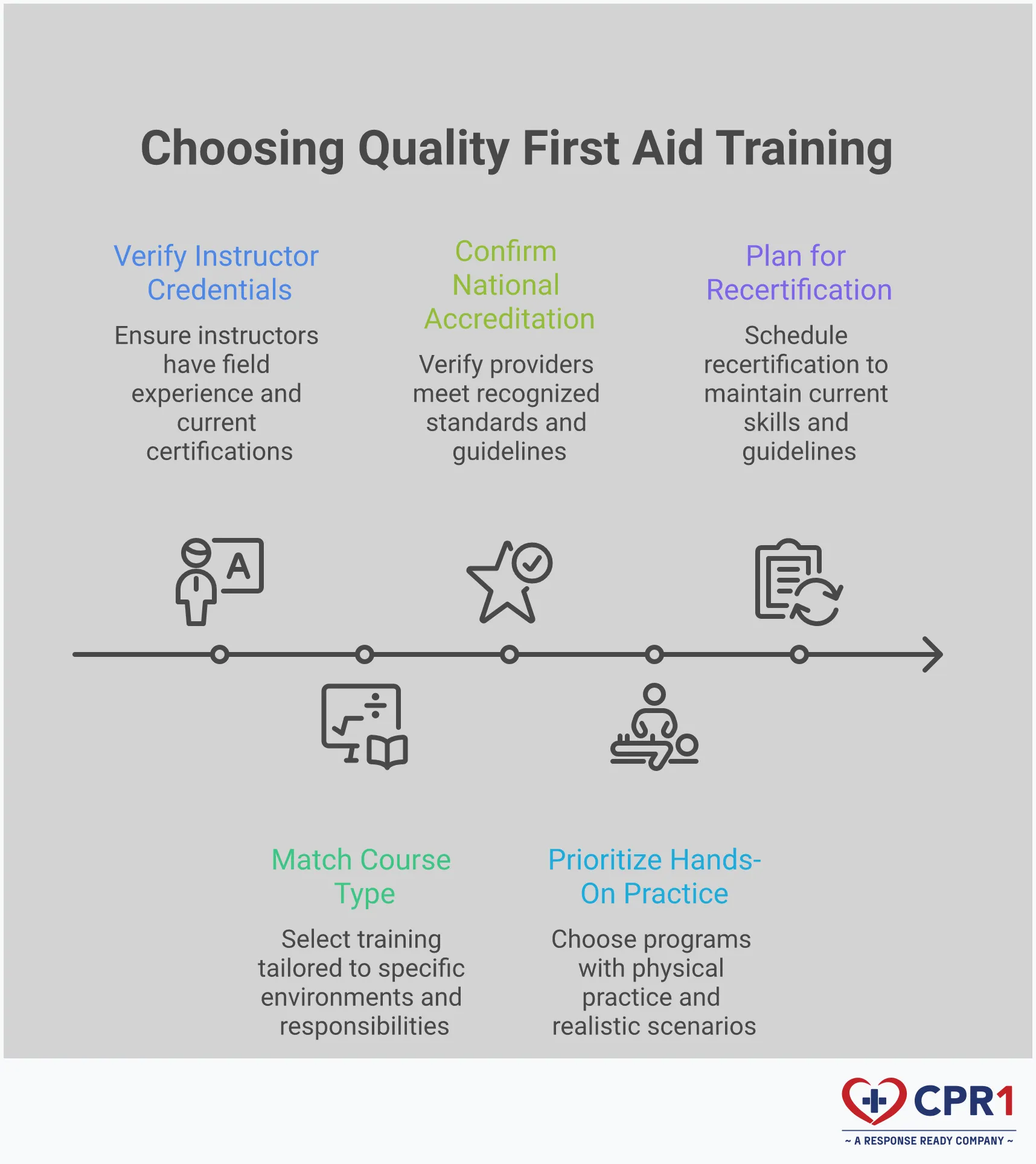
- Look for accredited programs with experienced instructors: Your training is only as good as the person teaching it. Choose a provider whose instructors have real-world experience as first responders and whose certifications are nationally recognized to ensure your skills are both practical and credible.
- Select a course tailored to your specific environment: The first aid skills a new parent needs are different from those required on a construction site or in a hospital. A quality provider will offer specialized courses, like Pediatric First Aid or BLS for healthcare workers, so you can learn what’s most relevant to you.
- Prioritize hands-on training and stay current with recertification: Watching a video isn’t enough to build life-saving muscle memory. Opt for blended or in-person learning to practice your skills, and remember that certifications expire because guidelines change and skills fade. Regular recertification keeps you ready to act confidently.
Is Your First Aid Training Legit? Here’s How to Tell
When you’re looking for first aid training, it’s easy to feel overwhelmed by the options. But choosing the right provider isn’t just about getting a certificate; it’s about gaining the confidence to act in an emergency. Not all training programs are created equal, and the quality of your instruction can make all the difference when seconds count. A legitimate organization doesn’t just teach you the steps; it prepares you for real-world situations.
So, how do you separate the great from the good-enough? It comes down to a few key factors: proper accreditation, experienced instructors, and a curriculum that fits your specific needs. Think of it as a checklist for quality. A truly professional provider will be transparent about their credentials and course content, making it easy for you to verify that you’re getting training that is both effective and widely recognized. Taking a few minutes to check these details ensures your time and money are well spent on skills that could one day save a life.
Check for Proper Accreditation
First things first, check for accreditation. This is your proof that a training provider meets national standards for safety and effectiveness. An accredited organization is a sign of credibility, ensuring the skills you learn are both effective and officially recognized. This is especially important for workplace training, where your certification needs to meet OSHA requirements. An accredited certificate is accepted by employers, schools, and other institutions, so you can be sure your training will be valued wherever you go. Before signing up, confirm the provider is sanctioned by the proper governing bodies.
Who Is Teaching Your Class?
The person teaching the course matters just as much as the material itself. A great instructor brings the training to life with practical insights that you can’t get from a textbook. Look for providers whose instructors have real-world experience as paramedics, firefighters, nurses, or EMTs. As one expert notes, “A qualified trainer must have years’ worth of experience in the field.” These professionals have managed real emergencies and can share stories and tips that make the techniques stick. Their background gives you a deeper understanding of why you’re doing what you’re doing, building your confidence to act decisively under pressure.
What Will You Actually Learn?
First aid training isn’t one-size-fits-all. The course you need depends entirely on your environment and responsibilities. A new parent needs different skills than a construction worker or a healthcare professional. A legitimate provider will offer a range of specialized courses tailored to different audiences. Whether you need Pediatric First Aid for a daycare, a BLS course for a medical career, or an OSHA-compliant program for your workplace, the curriculum should align with your goals. Make sure the organization offers training that directly addresses the situations you are most likely to face.
Emergency Scene Management
Before you ever touch a patient, a quality first aid course will teach you to stop and assess the scene. This is the most critical first step. Is there oncoming traffic? Are there downed power lines or a risk of fire? The goal is to ensure your own safety so you can effectively help someone else. A good instructor will train you to quickly check an emergency scene, identify potential dangers, and determine what happened. This foundational skill helps you stay calm and make clear-headed decisions under pressure, ensuring you can provide care without putting yourself or others at further risk. It’s about creating a safe space to work in before you focus on the injury itself.
Responding to a Wide Range of Injuries and Illnesses
A comprehensive first aid program goes far beyond basic CPR. It prepares you to handle the most common emergencies you might encounter, from minor cuts to life-threatening situations. The curriculum should cover how to control severe bleeding, treat burns, stabilize fractures, and manage conditions like shock or unconsciousness. This is where hands-on practice becomes essential. You need the muscle memory that comes from applying a pressure bandage or splinting a limb on a mannequin. A legitimate course ensures you leave with the practical ability to treat a wide variety of injuries, giving you the confidence to step in and help no matter the situation.
Infection Control and Universal Precautions
Helping someone in an emergency shouldn’t put your own health at risk. That’s why any credible first aid training emphasizes infection control. You’ll learn how to use personal protective equipment (PPE) like gloves and breathing barriers to protect both yourself and the injured person from exposure to bloodborne pathogens. Understanding these universal precautions is a non-negotiable part of modern first aid and a key component of any OSHA-compliant workplace program. The training teaches you how to prevent the spread of germs, ensuring that your well-intentioned assistance is delivered safely and responsibly for everyone involved.
Who Are the Top Providers for First Aid Training?
When you’re ready to get certified, you’ll find a few key organizations setting the standards for first aid and CPR training. While they all share the goal of preparing you to respond in an emergency, each has a slightly different focus. Understanding who these providers are helps you choose a course that aligns with your personal or professional needs and ensures your certification will be widely recognized. The best programs are built on nationally accepted guidelines, which is why regulatory bodies like the Occupational Safety and Health Administration (OSHA) recognize specific providers for workplace training. This ensures that your certification will be respected by employers and that you’re learning techniques proven to save lives.
So, what separates a great training provider from the rest? It starts with the curriculum. Leading organizations base their courses on the latest scientific evidence and regularly update their materials. For example, the American Heart Association is a primary source for the science behind CPR, and their guidelines influence training programs worldwide. Beyond the curriculum, the quality of instruction is critical. Learning from experienced professionals, like paramedics or nurses, who have used these skills in real emergencies can make all the difference in your confidence and competence. The following organizations are the go-to providers for first aid training in the United States. Let’s break down what each one offers.
CPR1.com: Your Partner in Emergency Preparedness
At CPR1.com, we specialize in delivering hands-on, high-energy training that builds real-world confidence. Our certified instructors, many with backgrounds as firefighters, paramedics, and nurses, don’t just teach from a book; they share practical insights from their experience in the field. We provide nationally recognized certification courses that meet OSHA and ANSI standards, making us an ideal partner for businesses, schools, and healthcare facilities that need to ensure compliance. Whether you need onsite group training for your team or are an individual looking to get certified, our programs are designed to be engaging and effective, so you leave feeling truly prepared to act when it matters most.
American Heart Association (AHA)
The American Heart Association is a leader in cardiovascular science and is the authority that publishes the official guidelines for CPR and emergency care. Most other training programs, including ours, are based on their rigorous, evidence-based research. An AHA certification is often considered the gold standard, especially for healthcare professionals who need Basic Life Support (BLS) certification to work in clinical settings. When you take an AHA-approved course, you can be confident you’re learning the most current and effective lifesaving techniques available. Their commitment to science ensures that every skill you practice is backed by decades of study and clinical practice.
American Red Cross
As one of the most recognized humanitarian organizations in the world, the American Red Cross is a massive provider of first aid training. Their courses are available in nearly every community, making them a popular choice for individuals, families, and workplaces. The Red Cross offers a wide range of programs that go beyond the basics, including specialized courses in babysitting, lifeguarding, and water safety. Their long-standing reputation for helping people in times of crisis and their widespread presence make them a trusted and accessible option for millions of people looking to learn essential skills to help in an emergency.
National Safety Council (NSC)
The National Safety Council focuses on eliminating the leading causes of preventable death and injury, with a strong emphasis on workplace safety. As a result, their first aid and CPR programs are highly regarded in corporate, industrial, and manufacturing settings where specific risks are present. The NSC provides training that helps businesses meet OSHA requirements and create a safer environment for their employees. If you’re a safety manager or HR professional tasked with compliance, an NSC-approved course is an excellent choice for ensuring your team is prepared for job-site emergencies and your organization is protected.
Emergency Care & Safety Institute (ECSI)
The Emergency Care & Safety Institute (ECSI) provides first aid and CPR training with a focus on equipping entire communities with emergency response skills. Created in partnership with the American Academy of Orthopaedic Surgeons and the American College of Emergency Physicians, ECSI offers high-quality, medically sound training materials that are both credible and easy to understand. Their programs are a great fit for schools, community organizations, and government agencies that want to build a broad base of prepared citizens. ECSI’s approach helps ensure that from the classroom to the community center, people have the knowledge to act confidently in a crisis.
Which First Aid Course Do You Need?
First aid training isn’t a one-size-fits-all deal. The right course for you depends on your goals, your job, and your daily environment. Whether you’re a new parent, a construction site manager, or a registered nurse, there’s a program designed to give you the exact skills you need to respond with confidence. Let’s break down the main types of courses you’ll find.
Basic First Aid, CPR, and AED
This is the foundational course perfect for just about everyone. If you want to be prepared for emergencies at home or in your community, this is your starting point. These courses are accessible to the general public and teach you how to handle common injuries like bleeding, burns, and choking. You’ll also learn the lifesaving skills of CPR and how to use an automated external defibrillator (AED). A key takeaway from any Adult & Pediatric First Aid/CPR/AED course is learning to recognize an emergency, call for help immediately, and then provide care until professional responders arrive. It’s all about giving you the confidence to act effectively when minutes matter most.
Advanced and Specialized Courses
For those who work in high-risk environments or want to take their skills to the next level, advanced and specialized courses are the way to go. Think of industries like manufacturing, construction, or even wilderness guiding, where injuries can be more severe and help might be farther away. These programs cover more complex medical situations and specific emergency protocols. For example, a Stop the Bleed course focuses entirely on controlling severe bleeding, a critical skill for anyone. This type of training is designed to prepare you for worst-case scenarios, equipping you with the knowledge to manage serious incidents until professional help can take over.
Understanding Different Levels of Workplace Training
When it comes to workplace safety, not all training is the same. The level of first aid training your team needs depends entirely on your work environment. An office setting has very different requirements than a manufacturing plant or construction site. That’s why regulatory bodies like OSHA require employers to perform a ‘first-aid needs assessment’ to determine the right level of training. This assessment considers factors like the size of your workforce, specific job-related risks, and how close you are to the nearest hospital. For low-risk environments, a standard First Aid/CPR/AED course may be enough. But for higher-risk industries, you’ll need more comprehensive programs that might include Bloodborne Pathogens or Stop the Bleed training to ensure your team is fully prepared.
Workplace Safety and OSHA Compliance
If you’re a business owner, HR manager, or safety officer, you know that first aid training is a cornerstone of workplace safety. These courses are specifically designed to help your organization meet OSHA compliance requirements and create a safer environment for everyone. Beyond standard first aid, they often include modules on topics like Bloodborne Pathogens, which is crucial for any employee who might be exposed to blood or other infectious materials. Investing in this training doesn’t just check a box; it builds a prepared team that knows how to respond effectively to emergencies, protecting both your employees and your business.
BLS for Healthcare Providers
While standard CPR is for the general public, Basic Life Support (BLS) is the certification standard for healthcare professionals. This course is designed for doctors, nurses, paramedics, and other clinical staff who have a duty to respond in medical emergencies. BLS training goes deeper, focusing on high-performance team-based CPR, advanced airway management, and working as part of a coordinated response team. Training providers like CPR1.com deliver BLS programs that adhere to the strictest national standards, ensuring the skills you learn are effective, up-to-date, and officially recognized by healthcare institutions and licensing boards across the country.
Workplace First Aid: Understanding Employer Responsibilities
If you’re in charge of workplace safety, you know that having a first aid plan is non-negotiable. But it’s more than just hanging a kit on the wall. Employers have a clear responsibility to create a safe environment, and that starts with understanding exactly what your team needs to be prepared for an emergency. A solid first aid program is a fundamental part of keeping your employees safe and your business compliant. From assessing risks to stocking supplies and training staff, let’s walk through the key duties every employer needs to manage to build a truly effective safety plan.
Conducting a First-Aid Needs Assessment
Before you can build an effective first aid program, you need to know what you’re up against. This is where a needs assessment comes in. Think of it as the foundation for your entire safety plan. You’ll need to evaluate the specific hazards present in your workplace—are your employees operating heavy machinery, handling chemicals, or working in a standard office? The assessment will help you determine how many trained first-aiders you need on-site, what specific supplies should be in your first aid kits, and where they should be located. This simple process guides every decision you make and ensures your plan is tailored to your unique environment, not just a generic checklist.
Appointed Persons vs. Trained First Aiders
It’s important to understand the difference between an “appointed person” and a trained first-aider. In a very low-risk workplace, you might only need an appointed person. This individual is responsible for managing first aid supplies and calling emergency services when needed. They don’t require formal training and, crucially, should not attempt to provide first aid beyond their knowledge. A trained first-aider, on the other hand, has completed a certified course and is qualified to provide care. For most businesses, having certified first-aiders is the best way to ensure your team is truly prepared to handle injuries and medical emergencies confidently and correctly.
Stocking First-Aid Kits and Maintaining Facilities
An empty or outdated first aid kit is as good as no kit at all. As an employer, you are responsible for making sure your first aid supplies are adequate, accessible, and up-to-date. For a typical low-risk office, a basic kit should include items like sterile dressings, bandages, plasters, and disposable gloves. However, your needs assessment might reveal that you need additional items. It’s also your job to regularly inspect your kits, restock used items, and replace anything that has expired. This simple but critical task ensures that when an emergency happens, your team has exactly what they need, right when they need it.
The Importance of Record Keeping
While not always a strict legal requirement, keeping a record of all first aid incidents is a smart practice. Documenting what happened helps you identify patterns and potential hazards in your workplace, which you can then address to prevent future accidents. Your record should include key details like the date and time of the incident, the name of the injured person, a description of the injury, the first aid provided, and the name of the first-aider who responded. This information is invaluable for improving your safety protocols and demonstrating that you are proactive about protecting your employees’ well-being.
First Aid and the Law: What You Need to Know
One of the biggest hesitations people have about giving first aid is the fear of doing something wrong or facing legal trouble. It’s a valid concern, but the good news is that the law is generally on the side of those who step up to help. Understanding a few key legal and procedural guidelines can give you the confidence to act decisively in an emergency. From knowing what you can and can’t administer to understanding the protections in place for rescuers, being informed is the first step to being prepared.
Administering Medication: Rules and Exceptions
This is a big one: as a first-aider, you should not give a casualty any medication. Your role is to provide immediate care for injuries, not to treat illnesses with pills or tablets. Handing out a painkiller, even if someone asks for it, can lead to complications or allergic reactions you aren’t equipped to handle. The only exception recognized by most guidelines is giving aspirin to someone with a suspected heart attack, as it can be a life-saving measure. Outside of that specific scenario, it’s best to stick to your training and leave administering medications to medical professionals.
Legal Protection for Those Who Offer Help
Many people worry about being sued if they make a mistake while giving first aid. Fortunately, it is extremely unlikely that a first-aider who uses their training in good faith would face legal action. Most places have “Good Samaritan” laws designed to protect individuals who voluntarily offer help to an injured person in an emergency. As long as you act reasonably, within the scope of your training, and don’t do anything intentionally reckless, you are well-protected. The legal system encourages people to help, so you can feel confident using your skills when someone is in need.
Guidelines for Using an AED at Work
While employers are not legally required to have an automated external defibrillator (AED) in the workplace, they are becoming increasingly common—and for good reason. An AED is a powerful tool that can save the life of someone experiencing sudden cardiac arrest. If your workplace provides an AED, it’s essential that staff know where it is and how to use it. While modern AEDs provide clear voice instructions, formal training is the best way to build the confidence to use one under pressure. A combined CPR and AED course ensures your team won’t hesitate to grab the device and deliver a shock when every second counts.
So You’re Certified—Now What?
Getting your first aid or CPR certification is a huge accomplishment, and it’s worth taking a moment to understand what it truly represents. It’s so much more than just a card to tuck into your wallet. Think of it as a credential that proves you have the knowledge and confidence to step in during an emergency. Whether you’re a new parent wanting to protect your child, a safety manager responsible for your entire team, or a healthcare professional on the front lines, your certification is a powerful statement. It shows you’ve invested the time to learn life-saving skills from a qualified source and are prepared to handle critical situations with a clear head. This card signifies that you can meet professional standards, fulfill workplace safety requirements, and, most importantly, be the person who knows what to do when every second counts. It’s a symbol of your readiness to protect the people around you, giving both you and them invaluable peace of mind. Your certification bridges the gap between wanting to help and knowing how to help, transforming you from a bystander into a capable first responder. It’s a commitment to your community and a tangible skill that can make all the difference in a life-or-death situation.
Understanding Your Certification’s Expiration Date
Most CPR and AED certifications are valid for two years. This isn’t an arbitrary timeline. Lifesaving skills can fade if you don’t use them regularly, and the two-year mark is a standard set by national training organizations to ensure your knowledge stays current. Think of it as a regular check-up for your emergency response abilities. When your certification period ends, you’ll need to complete a recertification course to refresh your skills and learn any updated guidelines. This ensures you’re always prepared with the most effective techniques when someone needs help.
Meeting Job or School Requirements
Your certification card is proof that you’ve met specific training standards. When you train with an accredited organization, you can be confident that the course content is reliable, up-to-date, and nationally recognized. This is especially important for professionals who need to meet licensing or job requirements. A certification from a provider like CPR1.com confirms that your training aligns with established American Heart Association guidelines. It shows employers, schools, and community groups that you have received high-quality instruction and are qualified to respond in an emergency.
How Certification Helps with Workplace Compliance
For businesses, first aid and CPR certifications are a critical part of maintaining a safe work environment. They are often a key component of meeting OSHA compliance requirements, which helps protect both employees and the company. Having certified team members on-site ensures your organization is prepared to handle medical emergencies, from minor injuries to sudden cardiac arrest. These certifications demonstrate a proactive approach to safety, reduce workplace risks, and can even lower insurance premiums. It’s an investment in your people and your business’s resilience.
Keeping Your Skills Sharp with Recertification
Medical science is always advancing, and so are the best practices for CPR and first aid. Recertification isn’t just about re-learning what you already know; it’s about updating your skills with the latest techniques. Guidelines can change based on new research, and a recertification course ensures you’re performing procedures in the most effective way. Regular refreshers build muscle memory and keep your confidence high, so you won’t hesitate in a real emergency. Staying current with your training is just as important as getting certified in the first place.
Annual Skill Refreshers vs. Full Recertification
While your official certification lasts for two years, your skills need more frequent attention. Think of it like practicing an instrument; you can’t expect to perform well if you only pick it up every couple of years. The Health and Safety Executive recommends that first-aiders complete a refresher course every year to keep their skills sharp. An annual refresher is a great way to practice hands-on techniques, review key steps, and maintain the muscle memory you need to act without hesitation. It keeps your confidence high so that when an emergency happens, you’re not trying to recall steps you learned 18 months ago. Full recertification is still essential for staying officially certified and learning updated protocols, but these yearly check-ins ensure you are always ready to respond effectively.
Earning Continuing Education (CE) Credits
For many professionals, especially in healthcare, education, and social work, maintaining your license requires earning continuing education (CE) credits. The good news is that your first aid or BLS certification course can often count toward these requirements. As the American Heart Association notes, many of their courses are eligible for CE credits, adding another layer of value to your training. This allows you to meet your professional development goals while also gaining life-saving skills. When you sign up for a course with a provider like CPR1.com, you can often fulfill job requirements and professional obligations at the same time. Just be sure to check with your specific licensing board to confirm that the course you choose qualifies.
How to Choose the Right First Aid Training Partner
Finding the right training partner is about more than just checking a box. It’s about gaining the confidence to act decisively in an emergency. The right provider equips you with practical skills that stick with you long after the class ends. So, what should you look for? It comes down to a few key things: finding a course that matches your specific needs, learning from instructors who have been in the field, ensuring your certification will be accepted, and finding a program that fits your schedule.
Think of it like choosing a guide for an important journey. You want someone who knows the terrain, can teach you what you truly need to know, and can make the experience engaging and effective. A great training partner doesn’t just teach you the steps; they build your confidence so you can perform them under pressure. Let’s walk through what to look for to make sure you’re in good hands.
Align the Course with Your Specific Needs
First things first, not all first aid courses are created equal. The training you need for an office setting is different from what’s required on a construction site or in a daycare. A quality provider will offer a range of courses tailored to different environments. For example, if you work with children, you’ll want a program that includes Pediatric First Aid and CPR. If your job requires it, you’ll need an OSHA-compliant course to meet workplace safety standards. The best starting point is to find an accredited organization, as their credentials are a sign of quality and reliability. They can help you identify the exact training that aligns with your responsibilities and environment.
Choose Instructors with Real-World Experience
The person leading your training can make all the difference. It’s one thing to learn from someone who has only read the textbook, and another to learn from someone who has actually used these skills to save a life. Before you commit, ask about the instructors’ backgrounds. A qualified trainer should have years of experience in the field. Many of the best instructors are firefighters, paramedics, nurses, and other first responders. They bring real-world stories and practical insights into the classroom, which helps make the lessons memorable and relevant. This kind of experience is what helps you build true confidence, not just theoretical knowledge.
Ensure Your Certification Is Widely Recognized
A first aid certification is only valuable if it’s recognized by your employer, school, or other governing bodies. Reputable training partners offer programs that adhere to strict national standards, ensuring the skills you learn are both effective and officially accepted. For example, if you’re a healthcare professional, you’ll need a Basic Life Support (BLS) certification that follows the latest guidelines. When you choose a provider, confirm that their certifications meet the requirements set by organizations like OSHA or state licensing boards. This ensures your time and investment result in a credential that truly counts.
Look for Flexible Learning Options
Life is busy, and scheduling training can be a challenge for both individuals and organizations. A good training partner understands this and offers flexible options to fit your needs. Look for providers who can bring the training directly to your workplace for a group session, which is a convenient way to get your whole team certified at once. Many also offer classes at local training centers for individuals. For those with tight schedules, a blended learning approach can be perfect. This model lets you complete the coursework online at your own pace and then attend a shorter, in-person session to practice your hands-on skills.
Consider Course Format, Duration, and Cost
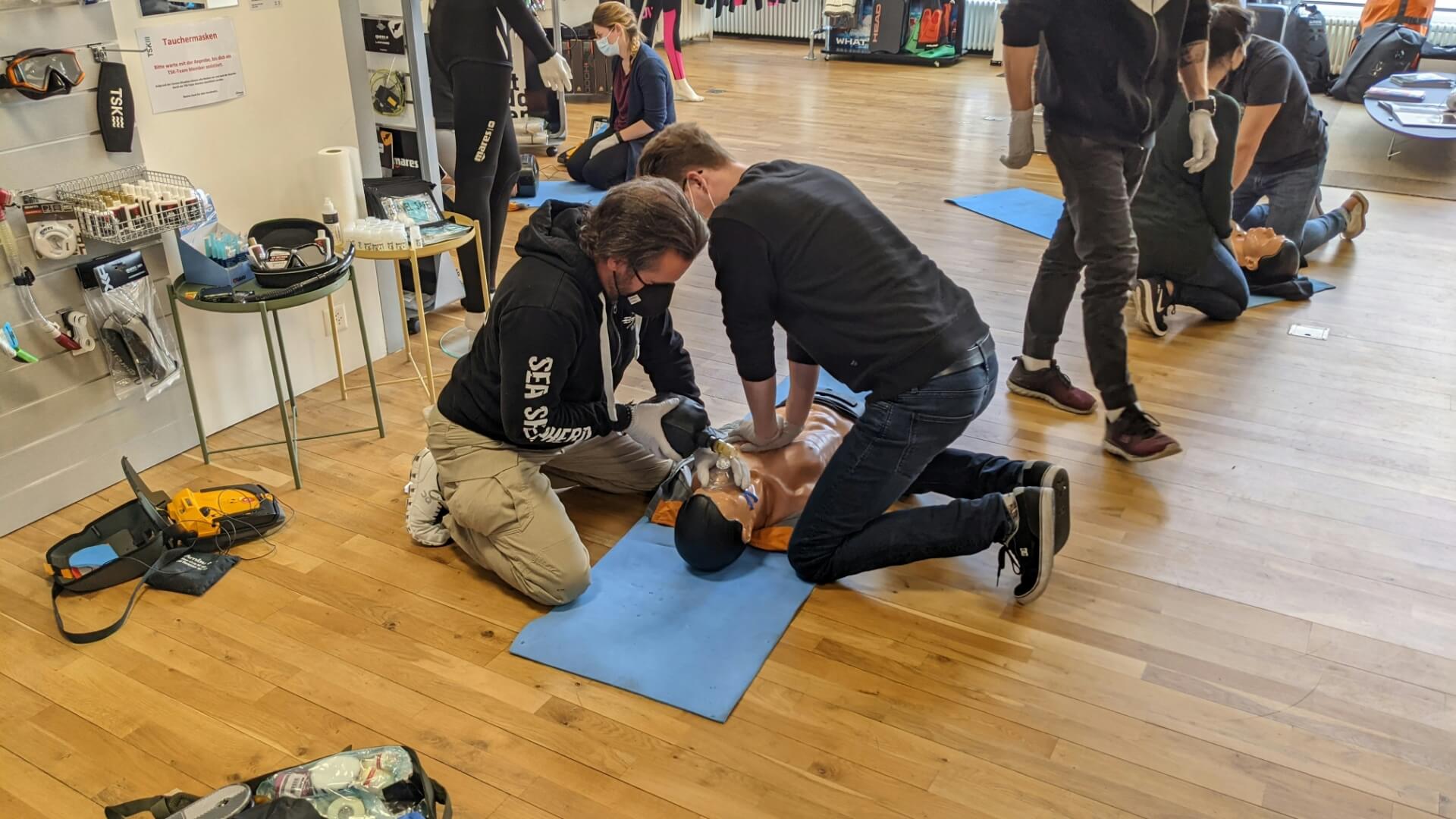
Finally, let’s talk about the practical side of things: the course format, its duration, and the cost. While it’s easy to look for the cheapest or quickest option, the best value comes from a program that truly prepares you. When it comes to format, you’ll find everything from fully online courses to in-person classes. While online learning offers convenience, nothing replaces hands-on practice. Watching a video isn’t enough to build life-saving muscle memory. Opt for a blended or in-person course where you can practice skills like chest compressions on a manikin. This is where real confidence is built. You should also consider how long your certification will last. Most first aid certificates are valid for two to three years because guidelines change and skills can fade without practice. Regular recertification keeps you ready to act. The cost will vary depending on the course’s depth and the provider, but remember that you’re investing in the ability to save a life.
Common First Aid Training Myths, Busted
Misconceptions about first aid and CPR can keep good people from learning skills that could save a life. Let’s clear up a few common myths so you can feel confident stepping up to get certified.
Myth: First Aid Is Only for Medical Professionals
One of the biggest hurdles is the belief that you need a medical background to perform CPR or first aid. That couldn’t be further from the truth. These techniques are specifically designed for everyday people to use in an emergency. Think about it: cardiac arrest often happens at home or in public, long before a paramedic arrives. The system is designed for bystanders, like you, to be the first link in the chain of survival. Our courses for individuals and families are built for parents, coaches, and community members, proving that anyone can learn to be a lifesaver.
Myth: All Training Programs Are the Same
It’s easy to assume that one first aid course is just like any other, but the quality of training varies widely. Watching a video online is not the same as practicing chest compressions on a manikin under the guidance of an experienced instructor. Effective training requires hands-on practice to build muscle memory and confidence. This is why choosing a provider with certified instructors and a curriculum that meets national standards is so important. You want to walk away from your class knowing you can apply your skills correctly when it matters most, not just having a theoretical understanding of what to do.
Myth: Your Certification Lasts Forever
Getting your certification card is a fantastic achievement, but it’s not a one-and-done deal. Medical guidelines and best practices for emergency response are updated based on new research. Techniques for CPR and first aid evolve to become more effective. Your certification has an expiration date for a reason. Regular recertification courses ensure your knowledge is current and your skills stay sharp. Think of it as a tune-up that keeps you ready to respond effectively, ensuring you’re using the most up-to-date, life-saving methods.
Myth: Online-Only Courses Are Just as Good
While online learning offers incredible convenience, it can’t fully replace in-person skills practice for first aid and CPR. Relying solely on internet videos can leave you unprepared for the physical realities of an emergency. The best programs use a blended learning approach, combining online modules for knowledge with a hands-on session for practical skills. This method gives you the flexibility to learn the theory at your own pace and the essential experience of practicing with equipment and receiving direct feedback from an instructor. This ensures you’re not just certified, but truly qualified to help.
How to Get Your Team Excited About First Aid Training
Getting your team certified in First Aid and CPR is a huge step toward a safer workplace. But getting everyone genuinely excited about training can feel like a challenge. Instead of presenting it as just another mandatory meeting, you can frame it as an investment in your team’s skills, confidence, and well-being. When people feel empowered, they’re more likely to engage with the material and remember it when it counts.
The key is to make safety training feel less like a requirement and more like a shared goal. With a little creativity, you can build enthusiasm and turn your training day into a positive, team-building experience. Here are a few practical ways to get your team on board and ready to learn.
Weave Training into Your Company Culture
Safety training is most effective when it’s part of your company’s DNA, not just a one-time event. A strong workplace safety culture shows your team that you care about their well-being beyond simple compliance. Start by including First Aid and CPR training in your new hire onboarding process. You can also dedicate a few minutes in team meetings to share safety tips or review emergency protocols. When leadership actively participates in training sessions, it sends a powerful message that safety is everyone’s responsibility. Integrating training into your daily operations helps foster a sense of shared ownership and care among employees, making your workplace safer for everyone.
Participate in Community Safety Events
Take your training initiative beyond the office walls by getting involved in local events. This approach connects life-saving skills to a greater purpose and can be a fantastic team-building opportunity. You could sponsor a booth at a community health fair, offer free hands-on CPR demonstrations, or partner with a local school to support their safety programs. By participating in community outreach, your team can gain valuable skills while representing your organization as a positive force in the community. It’s a win-win: your employees get certified, and your business strengthens its local ties.
Provide Incentives and Recognition
A little appreciation can go a long way in motivating your team. While safety is its own reward, offering small incentives can make the training day feel more special. Consider providing a catered lunch, giving out company swag, or offering a small gift card to everyone who completes the course. Recognition is just as important. Celebrate newly certified team members in your company newsletter, on your internal messaging channels, or during a team huddle. Publicly acknowledging their commitment validates their effort and encourages others to participate enthusiastically. These simple gestures show your employees that you value the time they’ve invested in becoming a workplace hero.
Share Your Commitment on Social Media
Use your company’s social media channels to build excitement and celebrate your team’s accomplishments. Before the training, post about why you’re investing in safety and what your team will learn. During the event, share photos or short videos of your team in action (with their permission, of course). Afterward, post a group photo and congratulate everyone who earned their certification. Sharing these success stories not only makes your employees feel proud but also showcases your company’s commitment to safety to your customers and community. It’s a great way to create positive buzz and reinforce the importance of being prepared.
Ready to Get Certified? Here’s How
Taking the step to get certified in first aid, CPR, and AED use is a powerful decision. Whether you’re looking for personal skills, ensuring workplace compliance, or equipping your entire team, getting started is straightforward. The key is finding the right training format that fits your specific needs and schedule. From fully in-person classes to flexible blended options, there’s a path for everyone to become a confident first responder.
Find Courses Online
If you’re signing up as an individual, finding a course is simple. Many organizations offer training that is accessible to the general public, so you can easily find a class that fits your schedule. A quick search will show you a variety of options for CPR, AED, and First Aid certification in your area. You can browse course descriptions, check schedules, and register in just a few minutes. This is the perfect route for parents, caregivers, students, or anyone wanting to be prepared for an emergency. Start by exploring a course catalog to see what’s available near you and find a time that works for you.
Find a Local Training Center
For skills that save lives, hands-on practice is non-negotiable. That’s why choosing an accredited training center with qualified instructors is so important. When you’re looking for a provider, their credentials should be your first checkpoint. A legitimate training center will have experienced instructors, often with backgrounds as first responders, and use up-to-date equipment that meets national standards. This ensures you’re not just checking a box but building real muscle memory and confidence. Look for a local training provider that emphasizes practical skills and provides a supportive learning environment where you can ask questions and perfect your technique.
Schedule Group Training for Your Team
Getting your entire team certified is one of the most effective ways to build a safe workplace. Instead of sending employees to individual classes, you can arrange for onsite training where an instructor comes directly to your facility. This approach is not only convenient but also allows the training to be tailored to your specific work environment. Having multiple trained employees ensures there’s always someone ready to respond in an emergency, creating a stronger culture of safety. Onsite training is ideal for businesses, schools, community groups, and government agencies that need to certify several people at once while minimizing disruption to their operations.
Consider Blended Learning Options
If you need a more flexible option, blended learning combines the convenience of online coursework with essential hands-on skills training. In this model, you complete the cognitive portion of the course at your own pace online. Once you’re done, you attend a shorter, in-person session with a certified instructor to practice and demonstrate your skills with CPR manikins and AEDs. This hybrid approach is a great fit for busy professionals and organizations that need an efficient way to get certified without sacrificing quality. Many find that blended learning courses are just as effective as traditional classes, giving you the best of both worlds.
Why Your Choice of Training Provider Matters
When it comes to first aid and CPR, the provider you choose has a huge impact on how confident and capable you’ll feel in a real emergency. It’s not just about getting a certificate to hang on the wall; it’s about learning skills that can genuinely save a life. The right partner ensures your training is credible, current, and prepares you for what really matters.
Train with a Program That Meets National Standards
Think of accreditation as a seal of approval. It’s your guarantee that a training organization meets high-quality benchmarks and teaches a curriculum that aligns with established best practices. An accredited provider stands as a beacon of quality and reliability, so this should be the first thing you check. This is especially critical for businesses needing to meet OSHA requirements, as training from a non-accredited source might not satisfy compliance regulations. Choosing an accredited organization ensures the skills you learn are based on proven, effective, and nationally recognized protocols.
Earn a Widely Accepted Certification
A certificate is only as good as its reputation. Imagine spending the time to get certified, only to discover your employer or a licensing board doesn’t recognize it. A reputable provider offers certifications that are widely accepted across different industries and states. Whether you need a Basic Life Support (BLS) card for a healthcare job or a Pediatric First Aid certificate for working with children, your provider should deliver a credential that holds weight. This ensures the skills you learn are not only effective but also officially validated, giving you a portable and valuable qualification.
Learn the Most Current Lifesaving Techniques
Medical science is always evolving, and so are the best practices for CPR and first aid. Techniques are regularly updated based on new research to improve outcomes for victims of cardiac arrest and other emergencies. A top-tier training provider stays on top of these changes and incorporates the latest guidelines into their courses. This means you’re learning the most effective methods, not something that was considered standard five years ago. Choosing a provider committed to current science ensures that you’ll be using techniques that give someone the best possible chance of survival.
Get Ongoing Support and Easy Renewals
Your safety training journey doesn’t end when the class is over. Skills can get rusty without practice, and certifications expire. A great training partner makes it easy to stay prepared for the long haul. Look for a provider that offers automated renewal reminders, simple recertification options, and ongoing support for any questions you have. For organizations, this can extend to services like AED program management and compliance tracking. This kind of continuous support helps turn training from a one-time event into a sustainable safety culture, ensuring you and your team are always ready to respond.
Related Articles
- OFA Level 2 Training Guide: What to Expect
- The Ultimate List of First Aid Courses (2025 Guide)
- First Aid Management 101: The Ultimate Guide
- OSHA Approved First Aid Training: A Simple Guide
- 6 Best Organisations That Offer First Aid Training
Frequently Asked Questions
What’s the real difference between a standard CPR class and a BLS course? Think of it this way: a standard CPR course is designed for everyone, giving you the essential skills to help in an emergency at home or in public. Basic Life Support, or BLS, is the professional-level certification for those in healthcare fields. BLS training is more advanced, covering high-performance team CPR, airway management, and scenarios you would encounter in a clinical setting. If you have a duty to respond as part of your job, BLS is the course you need.
Will an online-only first aid course be accepted by my employer? Most likely, no. While online modules are great for learning the theory, they can’t replace hands-on practice. OSHA and most employers require a practical skills session where you physically practice chest compressions and use an AED under an instructor’s guidance. A certification without this in-person component usually won’t meet workplace compliance standards. The best and most reliable option is a blended course that combines online learning with a hands-on skills session.
How can I verify if a training organization is properly accredited? A legitimate provider will be transparent about their credentials. You can usually find this information on their website, often mentioning that their curriculum meets the standards of national bodies like the American Heart Association or OSHA. If you can’t find it easily, don’t hesitate to call and ask which governing bodies recognize their training. This simple check ensures your certification will be respected and that you’re learning proven, effective skills.
I’m not a medical professional. Which course should I take to be prepared for emergencies at home? The Adult & Pediatric First Aid/CPR/AED course is the perfect starting point for you. It’s designed for parents, caregivers, and community members who want the confidence to handle common emergencies. You’ll learn how to respond to everything from minor cuts and burns to life-threatening situations like choking and cardiac arrest in both adults and children. It gives you a solid foundation of skills to protect the people you care about most.
My team is really busy. Do you offer training options that won’t take up a full day? Absolutely. We understand that pulling a team away from work is a challenge, which is why we offer flexible solutions. We can arrange for an instructor to come directly to your workplace for an efficient onsite group session. We also offer a blended learning format where your team completes the coursework online at their own pace and then attends a much shorter in-person session to practice their hands-on skills. This gives you the best of both worlds: quality training that fits your schedule.