
A first aid kit is more than just a box to check off on your safety list—it’s a critical tool that protects your team when an injury occurs. But a kit that’s perfect for a quiet office would be completely insufficient on a busy construction site. True workplace safety means being prepared for the specific hazards your employees face every day. It’s about creating a system where the right supplies are always within reach. In this guide, we’ll show you how to move beyond basic compliance by assessing your unique risks, selecting a first aid kit osha compliant with industry best practices, and integrating it into a complete safety program that keeps everyone prepared.
Key Takeaways
- Customize Your Kit for Your Real Risks: OSHA’s rules are flexible, so start with an ANSI-compliant Class A or B kit as your base, then perform a hazard assessment to add specific supplies—like extra burn cream for a kitchen or tourniquets for a construction site—that address your team’s actual dangers.
- Keep Your Kits Visible and Ready: A kit is useless if it’s empty or hidden. Place kits in central, unobstructed locations so they can be reached in under four minutes, and assign someone to inspect them monthly to replace used or expired items.
- Think Beyond the First Aid Box: True safety goes beyond supplies. Support your first aid kit with a complete program that includes hands-on training so your team knows how to use the supplies, an AED for cardiac emergencies, and a written emergency plan that tells everyone exactly what to do.
What Are OSHA’s First Aid Requirements?
When it comes to first aid, OSHA keeps its rules surprisingly simple. Instead of giving you a long, one-size-fits-all shopping list, OSHA’s standard is all about making sure your supplies are right for your specific workplace. The core rule states that an employer must provide first aid supplies that are adequate for the worksite’s size, number of employees, potential hazards, and distance from the nearest medical facility.
This means a construction site will need a different kit than a corporate office, and a remote logging operation will need more comprehensive supplies than a retail store in a city center. OSHA puts the responsibility on you, the employer, to perform a hazard assessment and determine what “adequate” looks like for your team. While this flexibility is great, it can also feel a bit vague. That’s where other standards come in to provide clearer guidance and help you build a kit that truly meets your needs and keeps you compliant.
OSHA vs. ANSI: What’s the Difference?
You’ll often see OSHA and ANSI mentioned together, but they play very different roles. OSHA (Occupational Safety and Health Administration) is the government agency that sets and enforces workplace safety laws. ANSI (American National Standards Institute) is a private organization that develops voluntary consensus standards for a wide range of products and industries.
While OSHA requires you to have an adequate first aid kit, it doesn’t publish a detailed list of required contents. Instead, OSHA frequently refers employers to the ANSI Z308.1 standard as a guideline for the minimum contents of a workplace
Class A vs. Class B Kits: Which Do You Need?
The ANSI standard outlines two types of workplace first aid kits: Class A and Class B. The one you need depends on the potential risks in your work environment.
Class A kits are designed for common workplace injuries like minor cuts, scrapes, and burns. They are typically sufficient for lower-risk environments such as offices, classrooms, or small retail stores.
Class B kits are intended for more complex or high-risk workplaces, including construction sites, warehouses, and manufacturing facilities. These kits contain more supplies than Class A kits and include additional items like a splint and a tourniquet to handle more serious injuries. Choosing the right class is a key step in your workplace hazard assessment.
Busting Common First Aid Compliance Myths
There’s a lot of confusing information out there about first aid compliance. Let’s clear up two of the most common myths.
First, there is no such thing as an “OSHA-approved” first aid kit. OSHA does not review, certify, or approve any specific brand or product. It is the employer’s responsibility to ensure their kit meets the requirements for their workplace. Any kit marketed as “OSHA-Approved” is using misleading language.
Second, not every use of a first aid kit creates a recordable injury. Minor injuries treated with simple first aid—like applying a bandage, cleaning a wound, or using an ice pack—do not need to be logged on your OSHA 300 form. Understanding this distinction is key to accurate and stress-free recordkeeping.
What Goes Inside an OSHA-Compliant Kit?
Building an OSHA-compliant first aid kit isn’t about grabbing a generic box off the shelf. It’s about thoughtfully equipping your space with the right supplies for the emergencies your team might face. While OSHA gives you flexibility, they point to clear industry standards to guide your choices, ensuring you’re prepared for everything from minor cuts to serious injuries. Let’s break down what that looks like.
The Must-Have First Aid Supplies
OSHA doesn’t provide a shopping list, but they point everyone toward the ANSI Z308.1 standard as the go-to guide. This standard outlines two kit types: Class A and Class B. Think of Class A kits as the baseline for common injuries like minor cuts, stocked with bandages, antiseptic wipes, and antibiotic ointment. Class B kits are for higher-risk environments. They contain more of these items plus additional supplies for severe situations, including a splint and a tourniquet. Choosing the right class depends entirely on your workplace’s specific risks.
Supplies for High-Risk vs. Low-Risk Workplaces
A standard first aid kit is a great start, but it rarely tells the whole story. The unique hazards of your workplace should always guide your final supply list. For example, a restaurant kitchen faces a high risk of burns, so it makes sense to add extra burn dressings. A construction site might need more supplies for major wounds, like trauma pads and tourniquets, to address risks from heavy machinery. The best way to figure this out is by performing a thorough workplace hazard assessment. This process helps you identify potential dangers so you can supplement your kit with the right tools.
How Many Supplies Do You Need for Your Team?
Deciding on the quantity of supplies isn’t as simple as counting heads. According to OSHA regulation 1910.151, your first aid setup must be adequate for your specific situation. This means you need to consider the size of your team, the layout of your workplace, the hazards present, and your distance from the nearest hospital. A large warehouse with employees spread across different floors will need more kits than a small office. A remote work crew far from emergency services also requires a more comprehensive kit.
How to Choose the Right First Aid Kit
Picking the right first aid kit isn’t as simple as grabbing one off the shelf. The best choice for your organization depends entirely on your unique environment, the size of your team, and the specific hazards your employees face daily. A kit that works perfectly for a small accounting firm would be completely inadequate for a bustling restaurant kitchen or a construction site.
Think of this as a strategic decision, not just a box to check. Your goal is to equip your team with the exact supplies they’ll need in the first critical moments of an emergency. To do that, you need to look at a few key factors: the potential for injury at your workplace, how many people you need to cover, and the physical layout of your space. By carefully considering these elements, you can move beyond basic compliance and build a first aid program that genuinely protects your people. Let’s walk through how to make the right choice.
Assess Your Workplace Risk
The first step is to perform a practical workplace hazard analysis. What are the most likely injuries to occur at your facility? An office environment might present risks like paper cuts or minor falls, while a manufacturing plant could face more serious dangers like chemical burns, deep cuts, or eye injuries. A standard first aid kit might not cater to the unique hazards of a high-risk workplace. For example, a construction site kit should be customized with items like trauma pads, tourniquets, and saline eye wash to address the specific risks present. By identifying your workplace-specific dangers first, you can ensure your kit is stocked with supplies that will actually make a difference.
Consider Your Team Size and Layout
Next, think about your people and your space. How many employees do you have, and where are they located? OSHA’s requirement is that first aid supplies must be “readily available” for all employees. For a small team working in a single room, one well-stocked Class A kit might be enough. But for a large warehouse with staff spread across thousands of square feet and multiple levels, you’ll need several kits placed in strategic, accessible locations. The goal is to ensure that no one has to travel too far to get help. Using the ANSI Z308.1 standard as a guide can help you determine the right number and type of kits for your facility’s headcount and layout.
Find a Kit for Your Specific Industry
You might see kits advertised as “OSHA-Approved,” but that’s a common misconception. OSHA does not approve, certify, or endorse any specific first aid kits. Instead, it sets the performance requirements that a kit must meet. It’s up to the manufacturer to ensure their kits fulfill these requirements. To simplify your search, look for kits that are marketed as “OSHA-compliant” or that meet ANSI Z308.1 standards. Even better, you can find industry-specific first aid kits tailored for environments like restaurants, schools, or industrial workshops. These kits come pre-stocked with supplies that address the most common injuries in those fields, saving you time and ensuring you’re prepared.
What About Kits for Vehicles and Remote Teams?
Your duty to provide first aid supplies extends beyond the walls of your building. If you have employees who work in the field, drive company vehicles, or work remotely, they need to be protected, too. The supplies for a company truck may look different from your office kit, focusing more on portability and addressing risks encountered on the road or at off-site jobs. Since there isn’t a specific OSHA standard for mobile first aid, it’s your responsibility as the employer to assess the potential risks and equip your team accordingly. A compact, durable, and well-stocked portable kit is an essential tool for keeping every member of your team safe, no matter where their work takes them.
Our Top Picks for OSHA-Compliant First Aid Kits
Once you’ve assessed your workplace needs, it’s time to find the right kit. The market is full of options, and it can be tough to know which one truly fits the bill. The best choice isn’t always the one with the most supplies, but the one with the right supplies for your team and environment. A kit for a construction site will look very different from one designed for a corporate office or a restaurant kitchen.
To help you make a confident decision, let’s walk through how to evaluate your options. We’ll start with our own compliant kits designed to take the guesswork out of safety, then cover what to look for when comparing other brands. Finally, we’ll break down how to look past the price tag and find a kit that offers real, long-term value for your safety program. Think of this as your buyer’s guide to finding a first aid solution that keeps your team protected and your business compliant.
Explore CPR1’s Compliant Kits
At CPR1, we don’t just teach first aid—we equip you for it. Our first aid kits are designed by safety professionals who understand what’s needed in a real emergency. Each kit is built to meet or exceed the latest ANSI Z308.1 standards, which OSHA recommends as a guide for workplace compliance. We offer both Class A and Class B kits, ensuring you can find the right fit for your specific level of workplace risk, from low-hazard offices to high-hazard industrial sites.
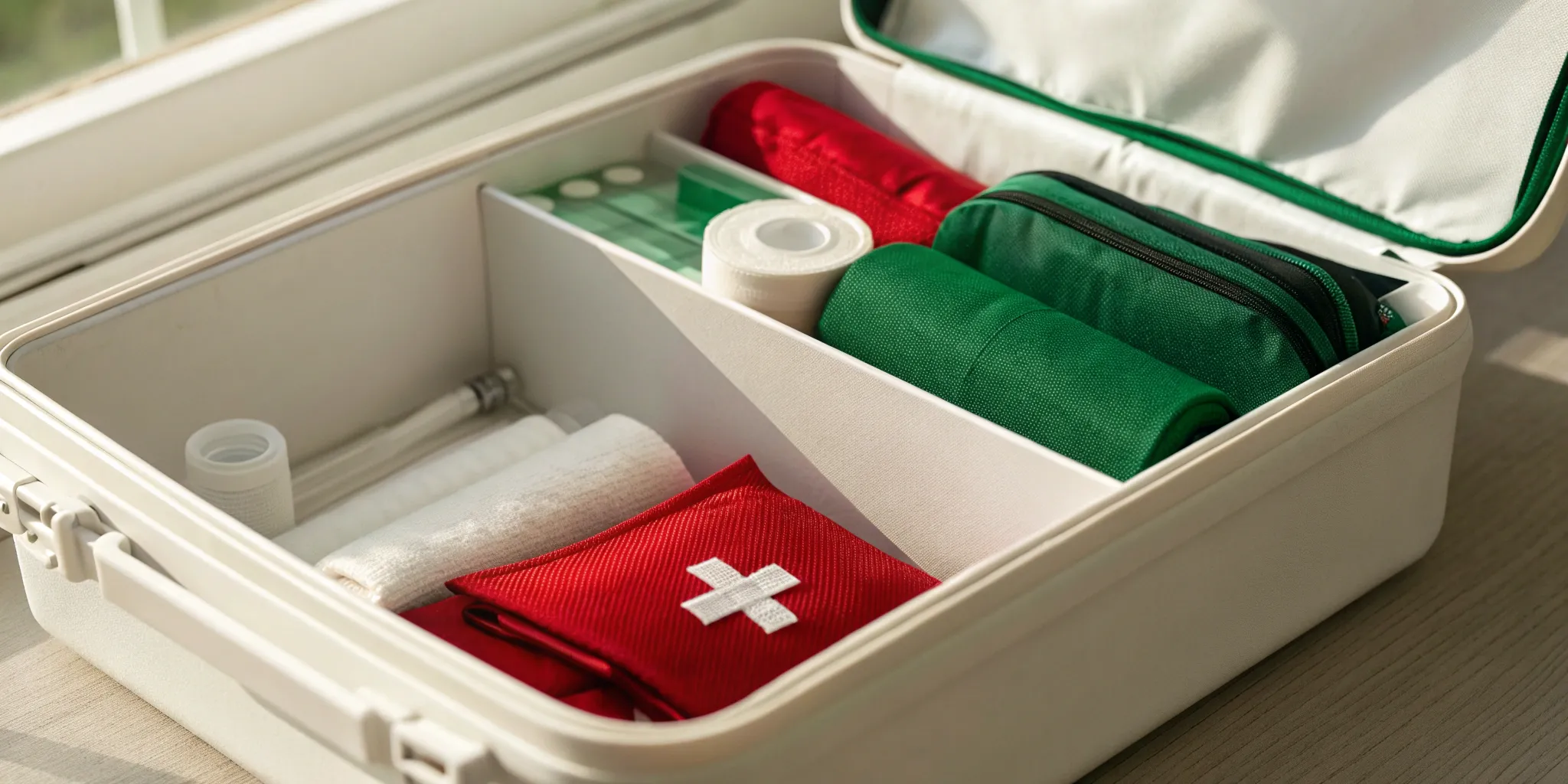
Our kits feature high-quality, industrial-grade supplies organized in logical, easy-to-use compartments. During an emergency, you don’t have time to dig for what you need. We make it simple to grab the right item quickly. Plus, our durable cases are designed to withstand tough environments, whether they’re mounted on a wall in a warehouse or stored in a company vehicle.
Comparing Other Top-Rated Options
When you’re looking at different first aid kits, it’s important to think beyond the brand name and focus on what’s inside. A standard, off-the-shelf kit might check a box, but it may not be suited for the unique hazards your team faces. For example, a construction site kit should be customized with items to handle dust, debris, and more severe wounds, like extra eye wash, trauma pads, and heavy-duty bandages. A restaurant kit, on the other hand, needs supplies like blue, food-safe bandages and plenty of burn cream.
As you compare options, look for kits that are clearly organized and labeled. Check for durability—is the case made of flimsy plastic or sturdy metal? Also, consider how easy it will be to restock. The best kits are designed for simple, cost-effective refilling, so you don’t have to buy a whole new kit every time you use a few bandages.
How to Compare Price and Value
It’s easy to get sticker shock, but the cheapest kit is rarely the best value. First, be wary of any product marketed as “OSHA-Approved.” As the Occupational Health & Safety magazine points out, OSHA doesn’t approve or certify specific kits. Instead, look for language like “OSHA Compliant” or “Meets ANSI Z308.1 Standards.” This shows the manufacturer has built the kit to align with federal guidelines.
True value comes from the quality of the supplies, the durability of the container, and the ease of maintenance. A low-cost kit with flimsy bandages and weak antiseptics won’t help much in an actual emergency. Investing in a kit with high-quality components and a system for easy refilling and supply management ensures your program remains effective and compliant over time, saving you money and headaches down the road.
Where to Place Your First Aid Kits for Easy Access
A well-stocked first aid kit is a great start, but it’s only effective if your team can find it when seconds count. Where you place your kits is just as important as what’s inside them. The goal is simple: make sure anyone can grab a kit quickly and easily during an emergency. This means thinking strategically about your workspace layout, identifying high-risk areas, and ensuring every employee, whether they’re in the office or on the road, has access to first aid supplies. Let’s walk through how to place your kits to meet compliance standards and, more importantly, keep your people safe.
OSHA’s Rules on Kit Placement
OSHA is clear that every workplace must have a first aid kit, but the rules on placement are more about common sense than specific measurements. The key phrase in OSHA’s guidelines is that supplies must be “readily available.” This means placing kits in central, well-known locations that are free from obstruction. Think breakrooms, kitchens, or near main entrances—not locked in a manager’s office or buried in a supply closet. The kit should be clearly marked with a sign so it’s easy to spot. Everyone on your team should know where to find the kits, which is something you can cover during safety briefings or new employee onboarding.
When and Where to Add More Kits
For many businesses, one first aid kit simply isn’t enough. A good rule of thumb is that an employee should be able to reach a kit within 3-4 minutes. If your facility is large, has multiple floors, or has distinct work areas like an office and a warehouse, you’ll need more than one. Place a kit in each major section of your building. Consider adding extra kits in high-risk zones, such as commercial kitchens, manufacturing floors, or school gymnasiums. The goal is to ensure that no matter where an injury occurs, help is just a short walk away. Regularly assessing your workplace for specific risks will help you identify the best spots for these additional kits.
Equipping Company Vehicles and Remote Staff
Your duty to provide first aid access extends beyond your building’s walls. If your employees operate company vehicles or work at remote job sites, they need supplies, too. Every work vehicle should have its own dedicated first aid kit designed for mobile use. For teams working off-site, like construction crews or landscapers, portable kits are essential. These kits ensure your staff can handle minor injuries on the spot, no matter where their work takes them. Remember, these mobile kits should be checked and restocked just as regularly as the ones in your main facility. You can find specialized vehicle and portable kits designed for exactly these situations.
How to Keep Your First Aid Program Compliant
Having the right first aid kit is a great first step, but compliance doesn’t end there. A truly effective safety program depends on keeping your kits stocked, accessible, and ready for an emergency at a moment’s notice. Think of it less as a one-time purchase and more as an ongoing commitment to your team’s well-being.
Maintaining your first aid program is simpler than it sounds. It boils down to four key practices: creating a regular inspection schedule, knowing how and when to restock, streamlining your supply management, and keeping clear records. Building these habits ensures you’re not just meeting OSHA guidelines but are genuinely prepared to handle workplace incidents. A well-maintained kit can make all the difference when an injury occurs, providing immediate care and peace of mind. Let’s walk through how to make each of these steps a seamless part of your safety routine.
Set Up a Simple Inspection Schedule
The easiest way to fall out of compliance is to forget about your first aid kit until you need it. To avoid this, set up a consistent inspection schedule. Designate a specific person or a small team to be responsible for checking every kit at least once a month. During each check, they should use a simple checklist to confirm that all required supplies are present, in good condition, and within their expiration dates. As Environmental Health & Safety notes, you must “check kits often and refill them when needed. Some supplies have expiration dates, so make sure to replace old items regularly.” Using a digital tool or a simple calendar reminder can help keep everyone on track and ensure no inspection is ever missed.
Know When and How to Restock Supplies
An inspection is only useful if you act on what you find. If a kit is missing supplies after an incident or if items are found to be expired, they need to be replaced immediately—don’t wait for the next scheduled check. Establish a clear and simple process for restocking. This could mean having a dedicated budget for first aid supplies or a standing order with a trusted vendor. Make it easy for employees to report when they’ve used something from the kit so you can replace it right away. You can find complete first aid refill packs that make it quick and easy to keep your kits fully stocked and ready for use.
Streamline Your Supply Management
Managing supplies for multiple kits can feel overwhelming, but standardizing your approach makes it much easier. OSHA points to the ANSI Z308.1 standard as a helpful guide for determining what your kits should contain. By using pre-packaged, ANSI-compliant kits, you create a predictable inventory that simplifies ordering and restocking. You’ll always know exactly what you need. For even greater efficiency, consider a subscription service that automatically sends you refills or new kits on a set schedule. This takes the guesswork out of supply management and frees up your team to focus on other safety priorities.
Keep Your Records in Order
Proper documentation is a critical part of any compliant safety program. Keep a simple log for each first aid kit that tracks inspection dates, the name of the inspector, and any supplies that were restocked. This creates a clear record that demonstrates your commitment to safety. It’s also important to understand what constitutes a first aid case versus an OSHA-recordable incident. As WorkComp Professionals points out, “Minor injuries that only require first aid don’t need to be recorded on the OSHA log.” Knowing the difference helps you maintain accurate OSHA 300 logs and avoid over-reporting, ensuring your records are both clean and compliant.
Beyond the Kit: Build a Full Safety Program
A well-stocked first aid kit is a great start, but it’s just that—a start. True workplace safety isn’t about checking a box; it’s about building a culture of preparedness where everyone feels confident and capable of responding when seconds count. An OSHA-compliant kit is a critical tool, but without the right training, equipment, and planning to support it, it’s just a box of supplies. Creating a complete safety program means looking beyond the kit to build a system that protects your team from every angle.
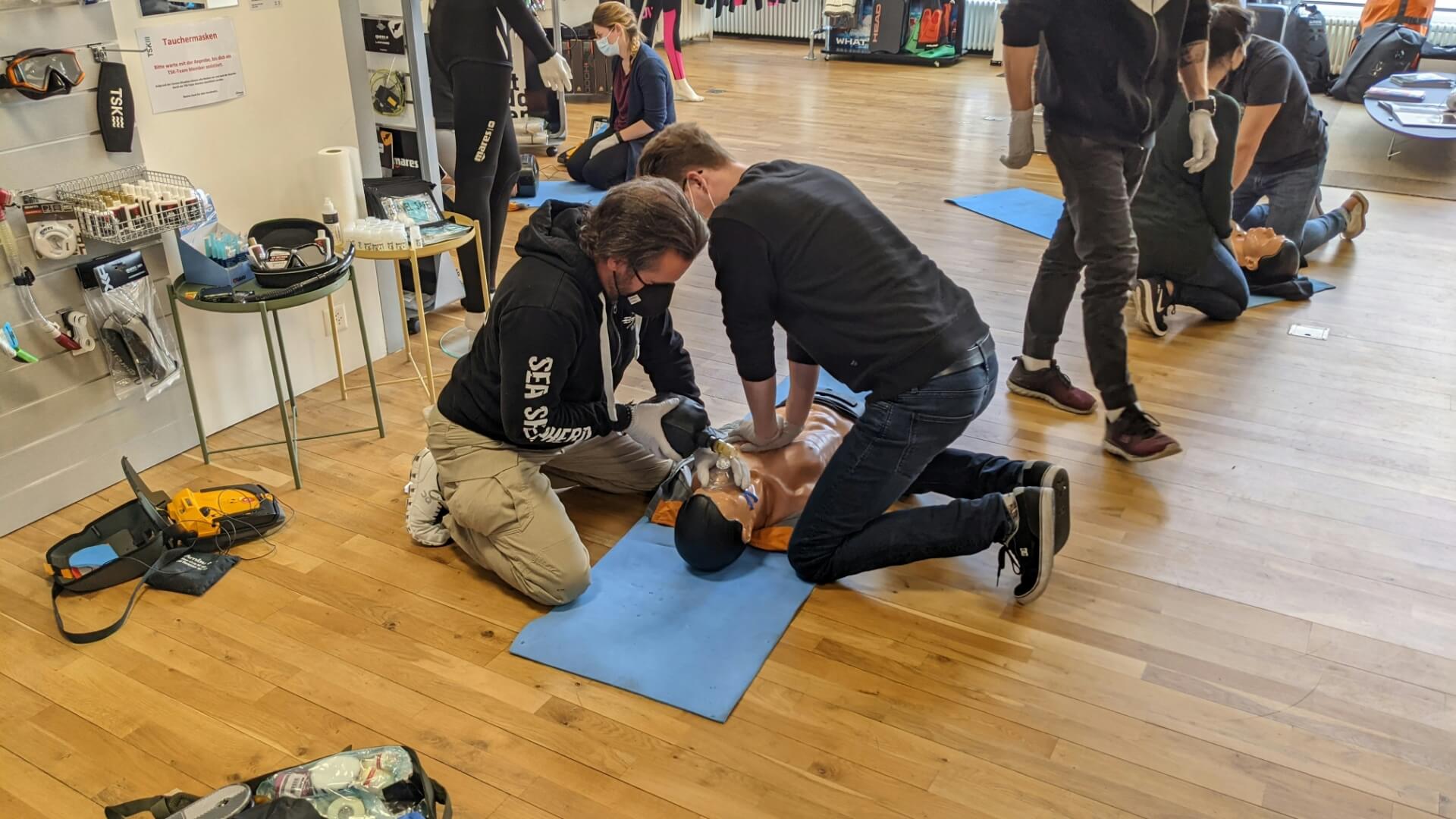
This system has three core parts that work together. First, you need hands-on training that gives your employees the skills to use the supplies in your kit effectively. Next, you should consider an AED program to prepare for sudden cardiac arrest, which a standard first aid kit can’t address. Finally, a clear, written emergency response plan ties everything together, ensuring everyone knows their role in an emergency. By combining these elements, you move from simply having first aid supplies to having a truly response-ready workplace.
Pair Your Kit with Hands-On Training
A first aid kit full of supplies is useless if no one knows how to use them. More importantly, without proper training, your team might not know how to assess a situation correctly. A common compliance mistake is misclassifying a minor incident that only requires first aid as a recordable injury, creating unnecessary paperwork and scrutiny.
Effective, hands-on training gives your employees the confidence to apply bandages, manage bleeding, and recognize when a situation requires professional medical help. It empowers them to act decisively instead of hesitating, which can make all the difference in an emergency. When your team is trained, your first aid kit becomes a powerful tool for immediate care.
Integrate an AED Program
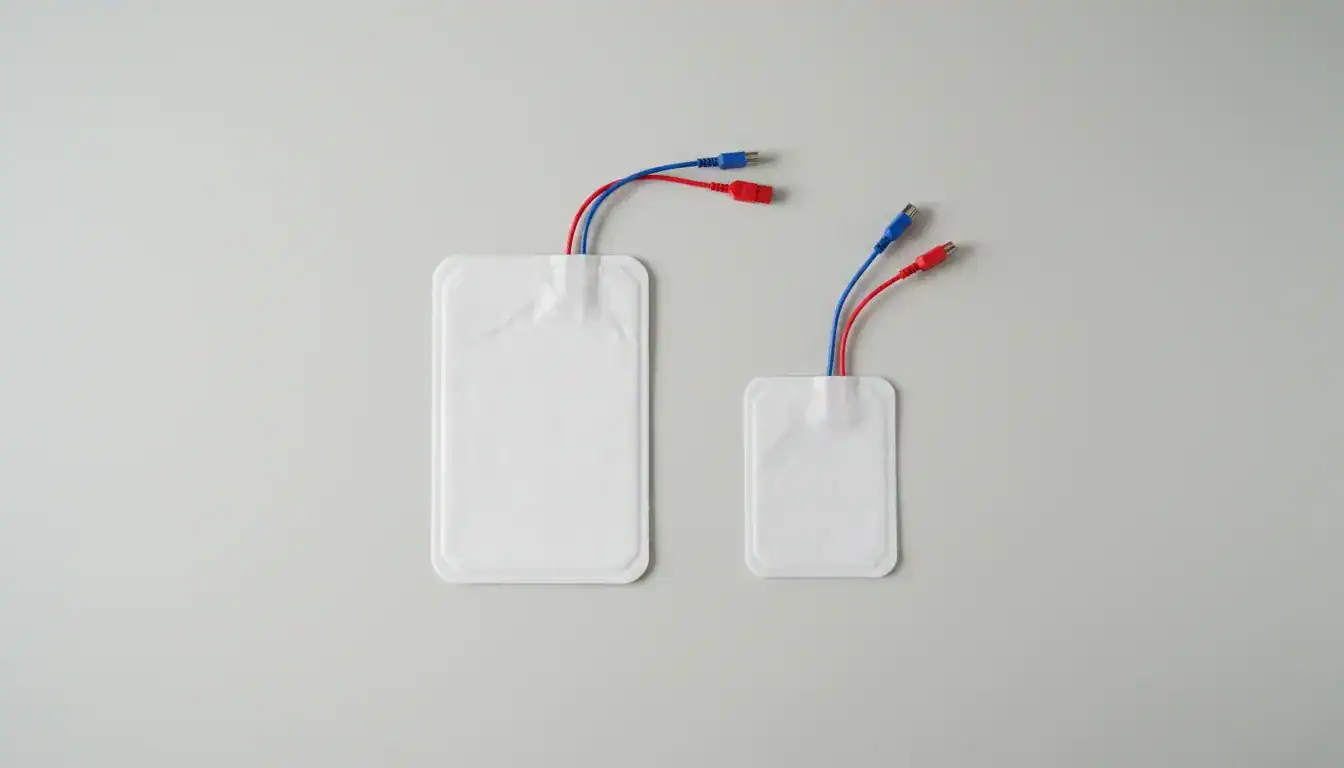
While your first aid kit is equipped for injuries, it can’t help in a sudden cardiac arrest (SCA). An Automated External Defibrillator (AED) is the only tool that can restart a heart during SCA, and having one onsite can dramatically increase survival rates. OSHA encourages workplaces to go beyond the minimum requirements, and integrating an AED program is one of the most impactful steps you can take to protect your team.
This is especially critical in large facilities, high-stress environments, or workplaces with an older demographic. By making an AED accessible and training your staff to use it, you prepare for one of the most serious medical emergencies you could face.
Develop a Clear Emergency Response Plan
Your kits, AEDs, and trained staff are the key components of your safety program, but the emergency response plan is the playbook that brings it all together. This written plan outlines exactly what to do in various scenarios, from medical emergencies to fires or natural disasters. It clarifies roles and responsibilities, lists emergency contacts, and maps out evacuation routes.
OSHA emphasizes the importance of a comprehensive emergency preparedness plan to ensure a coordinated and effective response. Your plan should be easy to understand and accessible to every employee. It turns confusion into clear, actionable steps, ensuring your team can work together calmly and efficiently when it matters most.
Related Articles
- 8 Ways to Improve Workplace Emergency Preparedness — CPR1
- 10 Must-Have Items in Your Workplace First Aid Kit — CPR1
Frequently Asked Questions
Is there such a thing as an “OSHA-approved” first aid kit? This is a common point of confusion, but no, OSHA doesn’t approve, certify, or endorse any specific brand of first aid kit. Instead, they set the rules for what a kit must accomplish. When you see a kit labeled “OSHA-compliant” or “Meets ANSI Z308.1 Standards,” it means the manufacturer has designed it to meet the guidelines that OSHA recommends. The responsibility is always on you, the employer, to ensure the kit you choose is right for your workplace.
How do I decide between a Class A and a Class B kit? The choice comes down to your workplace’s specific risks. Class A kits are designed for lower-risk environments like offices or small retail shops, where common injuries are minor cuts and scrapes. Class B kits are for higher-risk workplaces, such as construction sites or factories, where more serious injuries are possible. They contain more supplies and include items like a splint and a tourniquet. A good first step is to walk through your workspace and identify potential hazards to determine which level of protection your team needs.
How often should I be checking my first aid kits? The best practice is to inspect your kits at least once a month to make sure everything is in place and nothing has expired. It’s also crucial to restock any used items immediately after an incident occurs. Setting a recurring calendar reminder and assigning a specific person to the task is a simple way to stay on top of it and ensure your kits are always ready when you need them.
If an employee uses a bandage, do I have to report it to OSHA? Not at all. Using simple first aid supplies for minor injuries—like applying a bandage, cleaning a small cut, or using a cold pack—does not count as a recordable incident. These situations don’t need to be logged on your OSHA 300 form. Understanding this distinction helps you keep your recordkeeping accurate and avoids unnecessary paperwork.
Is having a first aid kit enough to be fully prepared for an emergency? A first aid kit is a vital piece of the puzzle, but it’s not the whole picture. True preparedness involves creating a complete safety system. This includes providing your team with hands-on training so they know how to use the supplies confidently. It also means considering an AED program for cardiac emergencies and developing a clear, written emergency response plan that outlines everyone’s role when something happens. These elements work together to create a truly safe environment.
Disclaimer for information purposes only:
The information provided on this website is intended for general educational and informational purposes only. It is not medical advice and should not be used as a substitute for professional diagnosis, treatment, or care. Always consult a qualified healthcare or medical professional regarding any health-related questions or concerns.
While we strive to ensure the information shared is accurate and up to date, no guarantees are made regarding completeness, accuracy, or applicability to any individual situation. Use of this content is at the reader’s sole discretion and risk.
This website is part of the Response Ready family of emergency preparedness and training resources, including CPR & first aid training and compliance services, AED sales and program support, AED program management software, and medical oversight solutions provided through our affiliated platforms:
• AEDLeader.com
• ResponseReady.com
• AEDTotalSolution.com
• MDSIMedical.com
By accessing or using this website, you agree to release, indemnify, and hold harmless the website owners, authors, contributors, and affiliated entities from any claims, losses, damages, or liabilities arising from the use or reliance on the information presented.

Anastasios Giannikas
Anastasios Giannikas
Save Lives with the Right AED Today
Buy Trusted AEDs from AED Leader Today!
Get Certified in CPR and Make a Difference!