
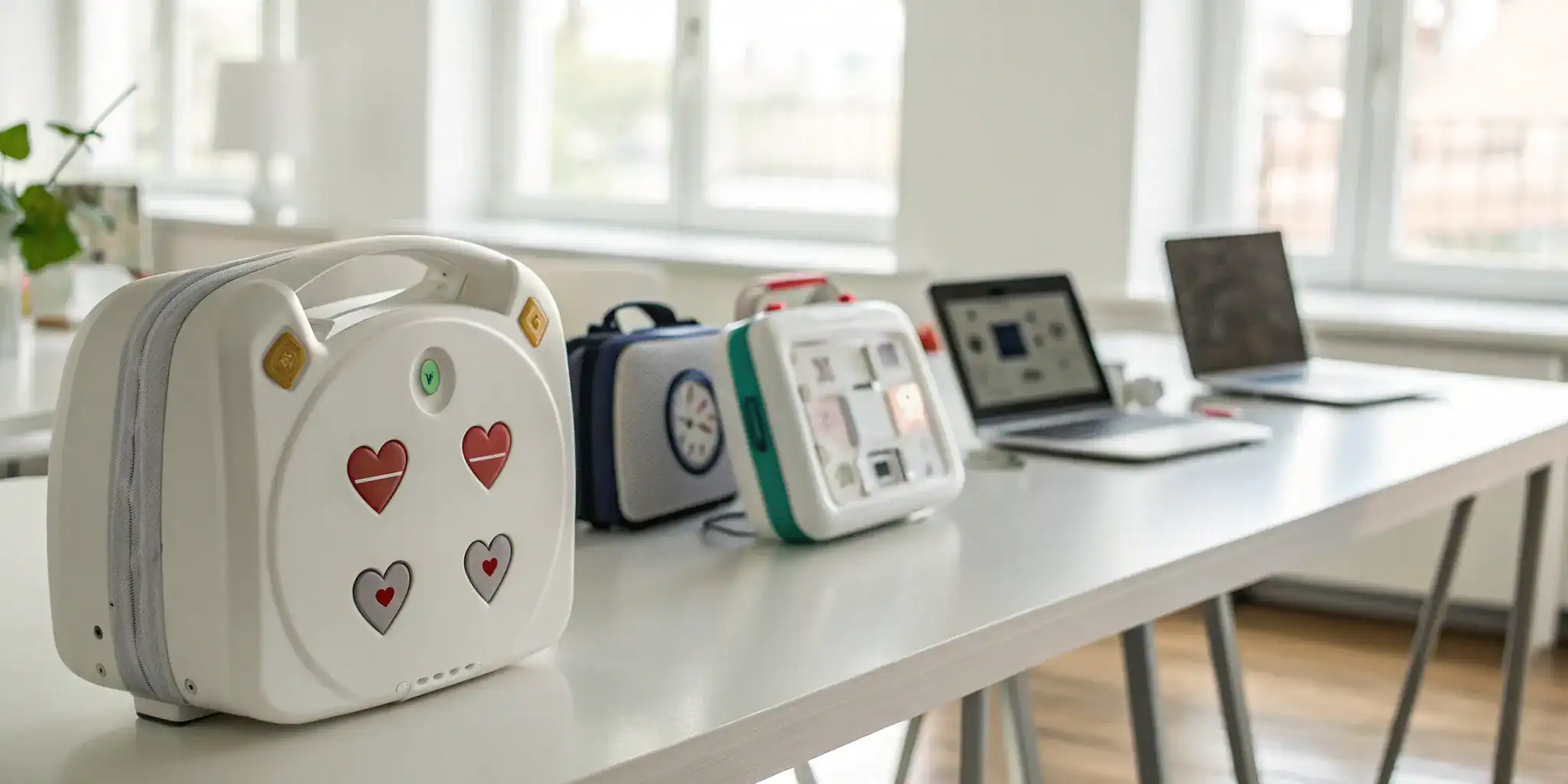
The best AED for a quiet office is not the best one for a rugged construction site or a humid pool deck. Your specific environment should be the number one factor guiding your decision. Key features like durability, resistance to dust and water, and the need for pediatric settings can make all the difference. While general ‘aed reviews consumer reports’ provide a great overview, they often don’t cover these specific use cases. This guide is different. We’ll help you match the right aed defibrillator to your unique needs, ensuring your choice is perfectly suited for the world it will live in.
Key Takeaways
- Trust the Device to Guide You: Modern AEDs are built for bystanders, not medical experts. They provide clear voice prompts and will only deliver a shock if one is needed, making them incredibly safe and removing the fear of causing harm.
- Match Your AED to Your Reality: The best AED is one that fits your specific environment. Consider its durability for the location, whether you need pediatric settings for children, and if features like real-time CPR feedback will provide extra support.
- Think Beyond the Initial Purchase: True readiness involves more than just buying the device. Factor in the long-term costs of replacing pads and batteries, and invest in hands-on training to give everyone the confidence to act decisively in an emergency.
The Reality of Sudden Cardiac Arrest: Why Every Second Counts
It’s easy to think of sudden cardiac arrest (SCA) as something that only happens in dramatic movie scenes, but the reality is far more common and urgent. Unlike a heart attack, which is a plumbing problem in the heart, SCA is an electrical issue where the heart suddenly stops beating effectively. When this happens, blood flow to the brain and other vital organs ceases almost immediately. The person collapses, becomes unresponsive, and stops breathing normally. There are often no warning signs, and it can happen to anyone, anywhere, at any time—a student at sports practice, a colleague in a meeting, a customer in your store, or a loved one at home.
In these moments, the clock becomes the enemy. For every minute that passes without intervention, the chance of survival drops significantly. While calling 911 is the first critical step, the average response time for emergency services can be several minutes too long. As the Mayo Clinic notes, time is absolutely critical, and an AED on-site can deliver a life-saving shock much faster than waiting for paramedics to arrive. This is where you come in. Having the right AED and the confidence to use it turns bystanders into immediate responders, bridging that crucial gap until professional help takes over.
Key Sudden Cardiac Arrest Statistics
The numbers surrounding SCA paint a stark picture of why preparation is so vital. Sudden Cardiac Arrest is a leading cause of death in the United States, responsible for an estimated 325,000 deaths each year. The window for effective intervention is incredibly small; without treatment, cardiac arrest typically leads to death within ten minutes. What’s more, this isn’t just a public health issue—it’s a personal one. According to Consumer Reports, about 80% of cardiac arrests happen at home, underscoring the need for preparedness in our own communities and families. The best chance for survival depends on a sequence of immediate actions: calling for emergency help, starting CPR, and using an AED. Each link in that chain is essential to giving someone a fighting chance.
What is an AED and How Does It Actually Work?
An Automated External Defibrillator (AED) is a portable, life-saving device designed to help someone experiencing sudden cardiac arrest. Think of it as a smart first aid tool that anyone can use, regardless of their medical background. When a person’s heart suddenly stops beating effectively, an AED can analyze the heart’s rhythm and, if necessary, deliver an electrical shock to help it reset. According to the Mayo Clinic, an AED is a small, portable machine that uses this shock to try and restart a heart that has stopped working.
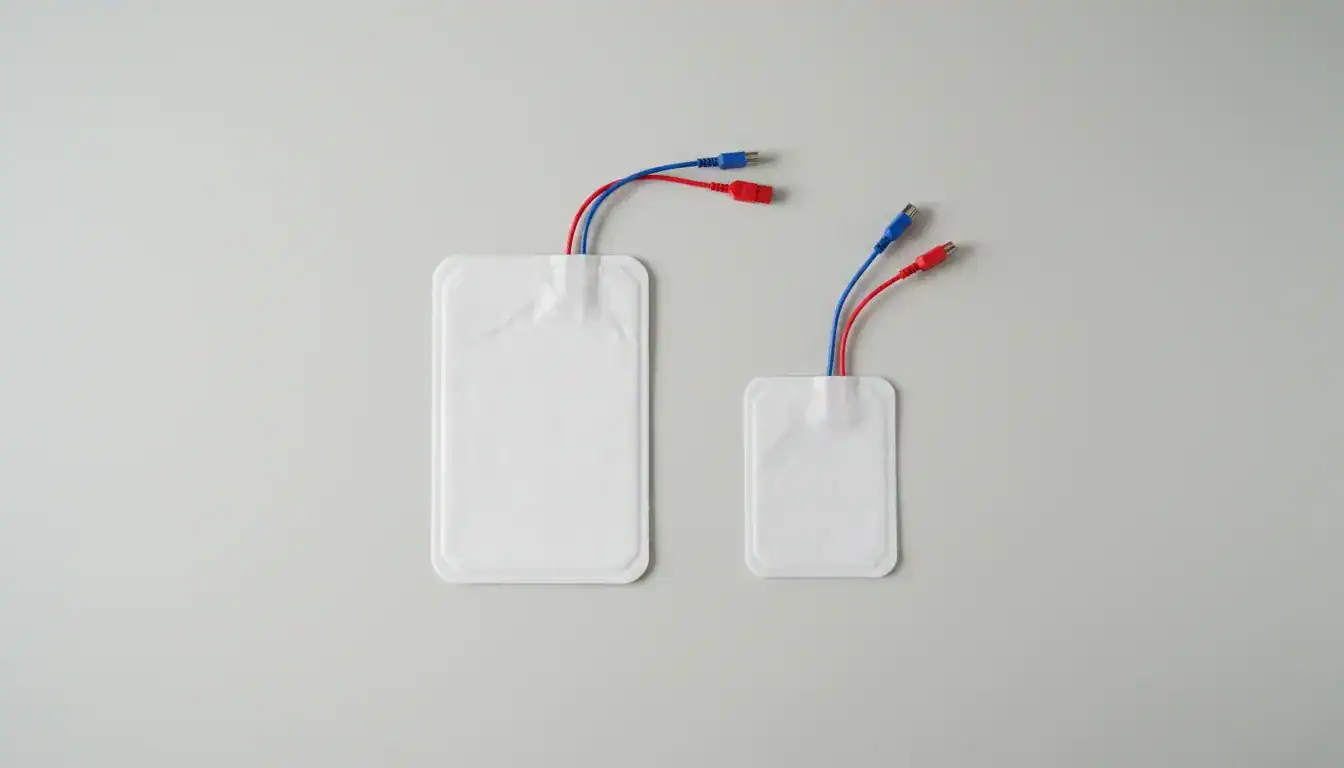
These devices are found in many public places like offices, schools, and airports for a reason: they make it possible for a bystander to provide critical help before emergency services arrive. The core function of an AED is to interpret a person’s heart rhythm through sticky pads with sensors, called electrodes, that you place on their chest. The machine then decides if a shock is needed. It won’t deliver a shock unless it detects a life-threatening arrhythmia, making it incredibly safe for rescuers to use. Its job is to take the guesswork out of a high-stress situation, giving clear instructions to guide you through every step.
How an AED Gets a Heart Beating Again
During sudden cardiac arrest, the heart isn’t necessarily still; it’s often quivering in a chaotic, ineffective rhythm called ventricular fibrillation. This prevents it from pumping blood to the brain and other vital organs. As the Mayo Clinic explains, “When someone has sudden cardiac arrest, their brain and other body parts don’t get enough blood and oxygen. They need help within minutes to prevent serious damage or death.” An AED’s job is to stop this chaotic electrical activity. The shock it delivers briefly stuns the heart, giving its natural pacemaker a chance to regain control and restore a normal, effective heartbeat. It’s less of a “jump-start” and more of a hard reset for the heart’s electrical system.
Correcting Electrical Chaos, Not Restarting a Stopped Heart
It’s a common scene in movies: a flatlined heart monitor and a doctor yelling “Clear!” to shock the patient back to life. But in reality, that’s not how an AED works. During sudden cardiac arrest, the heart is usually in a state of electrical chaos called ventricular fibrillation—it’s quivering erratically instead of pumping blood. The AED delivers a controlled electrical shock to stop this chaotic activity, essentially hitting a reset button on the heart’s electrical system. This brief pause gives the heart’s natural pacemaker a chance to take over and restore a normal, life-sustaining rhythm. The goal isn’t to restart a stopped heart, but to correct a dangerously disorganized rhythm, which is why immediate action is so critical.
Step-by-Step: Using an AED with Confidence
The best thing about modern AEDs is that they are designed for people with zero medical training. Once you turn it on, the device takes over. The Mayo Clinic notes that it provides “clear voice instructions” for every action. You’ll be told exactly how to place the sticky pads on the person’s bare chest, often with diagrams on the pads themselves. The AED then instructs everyone to “stand clear” while it analyzes the heart rhythm. If a shock is needed, it will tell you when to push the button. This automated guidance removes fear and uncertainty from the process. For the best outcome, remember that using an AED alongside CPR (Cardiopulmonary Resuscitation) greatly increases the chance of survival.
Home AEDs vs. CPR Training: What Does the Research Say?
When you’re focused on protecting your family, especially if a loved one has a heart condition, a critical question often comes up: Is it better to invest in a home AED or to get everyone in the house trained in CPR? It feels like you have to choose one over the other, but the answer isn’t that simple. Both are powerful tools in the chain of survival, but they play different roles. Understanding what the research says and what experts recommend can help you decide on the best safety plan for your home, ensuring you’re prepared to act confidently when every second is critical.
Comparing Survival Rates
When researchers have put home AEDs and CPR training head-to-head, the results might surprise you. A key study mentioned by Consumer Reports looked at high-risk households to see what made a bigger difference in survival. They compared homes that had an AED with homes that had a resident trained in CPR. Over a three-year period, the study found that both groups had very similar outcomes when it came to deaths from cardiac arrest. Essentially, it was a tie. This doesn’t mean one is better than the other; it suggests that having a prepared and capable person on the scene is the most critical factor, whether their primary tool is their hands or a machine.
Expert Recommendations and Considerations
So, if the data shows a tie, what do the experts advise? The consensus is clear: start with training. The Mayo Clinic and other health organizations emphasize that if you live with someone who has heart disease, learning CPR is a fundamental step. An AED is then recommended as an additional layer of protection, especially if you or a family member are at high risk for cardiac arrest or if you live far from emergency medical services. While modern AEDs are designed for anyone to use, completing a hands-on training course gives you the confidence to act without hesitation. True readiness also means thinking beyond the initial purchase. Owning an AED involves the long-term costs of replacing pads and batteries, ensuring the device is always ready to go.
Finding the Best AED: Why Expert Reviews Are a Must-Read
Choosing an AED isn’t like picking out a new coffee maker. It’s a decision that could one day save a life, and in a high-stress emergency, you need a device that is absolutely clear and simple to use. On the surface, many AEDs look similar, but the small differences in their design, instructions, and features can have a huge impact when every second counts. This is where expert reviews become your most valuable tool—they cut through the marketing jargon and focus on what truly matters.
The American Heart Association emphasizes that AEDs must be simple to operate, as they are most often used by bystanders with little or no medical training. In a moment of panic, you need a device with calm, clear voice prompts, not confusing buttons or a complicated setup. Reviews from seasoned professionals test these devices in simulated emergencies to see which ones provide the most foolproof guidance. They also help you match a device to your specific needs. The best AED for a quiet office might not be the right choice for a rugged construction site or a humid pool deck. Experts analyze features like durability, battery life, and whether the device is suitable for children.
Since most sudden cardiac arrests happen outside of a hospital, finding the right AED for your home is a decision that deserves careful thought. Expert reviews also look beyond the initial price tag to consider the total cost of ownership, including the price of replacement pads and batteries. Relying on this guidance ensures you’re not just buying a piece of equipment, but a reliable safety tool that will be ready when you need it most.
Expert-Approved: The Top-Rated AED Defibrillators
Choosing an AED can feel overwhelming, but a few models consistently stand out for their reliability, ease of use, and innovative features. These devices are trusted by medical professionals and praised by everyday heroes who have used them to save lives. We’ve sorted through the options to highlight the top performers that deliver confidence when it matters most. Think of this as your short list for finding a device that fits your environment and budget.
Whether you’re equipping an office, school, or your own home, the right AED is the one that’s simple to use under pressure and easy to maintain. The following picks are celebrated for their intuitive designs, clear instructions, and features that support high-quality CPR. Each one is FDA-approved and has a proven track record, so you can feel confident in your choice. We’ll walk through what makes each of these models a top contender in the world of emergency response, helping you find the perfect fit for your safety plan. From real-time CPR feedback to full-color video instructions, these top-rated AEDs are designed to empower anyone to become a lifesaver.
Review: ZOLL AED Plus
The ZOLL AED Plus is a long-time favorite, especially for its one-of-a-kind CPR feedback. Its Real CPR Help® technology uses a metronome and voice prompts to tell you if your chest compressions are deep enough and fast enough. This guidance is invaluable for both trained and untrained responders, helping ensure the victim gets effective CPR.
The device also features a single-piece CPR-D-padz® electrode, which has a clear diagram showing you exactly where to place it on the chest. This simple design helps reduce confusion during a chaotic event. With a five-year lifespan for both its batteries and pads, the ZOLL AED Plus is also one of the most cost-effective devices to own over time, making it a smart, reliable choice for any organization.
Review: Philips HeartStart OnSite
If you’re looking for unmatched simplicity, the Philips HeartStart OnSite is a top pick. It was designed specifically for people with no medical training, making it an excellent choice for homes, small businesses, and public spaces. As the first and only AED available without a prescription, it’s incredibly accessible.
The device guides you with calm, clear voice instructions that adapt to your pace, walking you through every step of the rescue process from pad placement to CPR. It’s lightweight, compact, and performs daily self-tests to ensure it’s always ready to go. The HeartStart OnSite is praised for its user-friendliness, giving anyone the confidence to act decisively during an emergency and deliver life-saving care.
Review: Defibtech Lifeline VIEW
The Defibtech Lifeline VIEW stands out with a feature no other AED on this list has: a full-color video display. In addition to voice prompts, it shows you exactly what to do with clear, on-screen video demonstrations of each step, including how to perform CPR and rescue breathing. This visual guidance is perfect for noisy environments where audio might be hard to hear or for responders who feel more confident seeing instructions.
Built to be tough, the Lifeline VIEW is durable and has a high IP rating for water and dust resistance. Its combination of audio and visual prompts makes it an incredibly supportive tool, removing the guesswork and helping you stay focused during a high-stress rescue.
Review: HeartSine samaritan PAD Series
For those who need a compact and durable device, the HeartSine samaritan PAD series is an excellent choice. It’s one of the smallest and lightest AEDs available, making it easy to store and transport. Its rugged design and high resistance to dust and water make it ideal for challenging environments like industrial sites, boats, or sports fields.
What truly sets the HeartSine apart is its innovative Pad-Pak™ system, which combines the battery and electrode pads into a single, easy-to-manage cartridge. This means you only have to track one expiration date, simplifying maintenance. With clear visual and voice prompts, it’s a straightforward, low-maintenance device that’s built to last and ready when you need it.
Review: Physio-Control LIFEPAK CR2
The Physio-Control LIFEPAK CR2 is a cutting-edge device designed for a connected world. Its standout feature is Wi-Fi connectivity, which allows it to automatically send readiness status updates to your AED program manager. This ensures your device is always monitored and ready for use, making it a fantastic option for organizations managing multiple AEDs across different locations.
The CR2 also includes ClearVoice™ technology, which automatically adjusts the volume of its prompts based on background noise. It analyzes the heart rhythm during CPR, minimizing pauses between compressions and shock delivery. This combination of smart technology and user-friendly design makes the LIFEPAK CR2 a powerful tool for improving sudden cardiac arrest survival rates.
What Should You Look for in an AED?
Picking the right AED can feel overwhelming, but it boils down to finding a device that fits your specific environment and the people most likely to use it. Whether you’re equipping a busy office, a school gym, or your own home, certain features make a huge difference in a high-stress situation. Think about who will be using the device and where it will be stored. A construction site has very different needs than a quiet clinic. By focusing on a few key areas—from user-friendliness to long-term upkeep—you can confidently choose a device that’s ready to perform when every second counts. Let’s walk through the most important features to consider.
Ease of Use: Can Anyone Use It?
During a cardiac arrest, chaos and panic are common. The last thing a rescuer needs is a complicated device. That’s why ease of use should be at the top of your list. The best AEDs are designed for people with no medical background, using clear, calm voice prompts and simple visual diagrams to guide the user through every step. Look for models with straightforward, two-step operation: one button to turn it on and another to deliver a shock. As the Mayo Clinic notes, most modern AEDs are built for public use, ensuring that anyone can be a hero. A device like the Philips HeartStart OnSite is a great example of intuitive design made for stressful moments.
Battery Life and Maintenance: Is It Always Ready?
An AED is only useful if it’s ready to go at a moment’s notice. That means paying attention to battery life and the replacement schedule for both batteries and electrode pads. These components expire, typically every two to five years. When comparing models, look at the long-term cost of these consumables. Some devices, like the Philips HeartStart Home AED, are known for having lower maintenance costs, which makes them a practical choice for homes or small organizations. It’s also wise to choose a device that performs regular, automatic self-tests and has a clear status indicator, so you can see at a glance that it’s ready to save a life.
CPR Feedback: Does It Help You Do It Right?
High-quality CPR is just as critical as the shock from an AED. Compressions need to be at the right depth and speed to be effective, but it’s tough to get it right under pressure. This is where real-time CPR feedback comes in. Advanced models, such as the ZOLL AED Plus, have sensors in the electrode pads that measure your compressions. The device will then give you voice prompts like “Push harder” or “Good compressions” to guide you. This feature can dramatically improve a rescuer’s performance, leading to better outcomes for the victim. If your budget allows, choosing an AED with CPR feedback is one of the best ways to increase the chances of survival.
Pediatric Capabilities: Can It Be Used on Children?
Sudden cardiac arrest can happen to anyone, including children. If your AED will be in a place with kids—like a school, sports facility, or community center—it’s essential to have a pediatric setting. Standard adult AED pads deliver a shock that is too powerful for a small child. Many AEDs offer special child pads that reduce the energy level. Some models even have a child mode or a key that you can insert to switch the device to a lower-energy setting using the same adult pads. This flexibility ensures you’re prepared to treat patients of all ages without having to swap out equipment in an emergency.
Durability: How Tough Is It?
Where will your AED live? An AED stored in a climate-controlled office has different needs than one mounted near a swimming pool or kept in a work vehicle. Look for the device’s IP (Ingress Protection) rating, which tells you how well it’s protected against dust and water. A higher IP rating means more durability in harsh environments. Some AEDs are also built to withstand drops and rough handling. As you compare different AEDs, consider the most demanding conditions it might face. Investing in a rugged device ensures it will function reliably, no matter where an emergency strikes.
Automatic vs. Semi-Automatic: Which is Better?
When you start comparing AEDs, you’ll quickly see two main types: semi-automatic and fully automatic. A semi-automatic AED will analyze the heart’s rhythm and, if a shock is needed, instruct you to press a flashing button. This gives the rescuer the final say before the shock is delivered. A fully automatic model, on the other hand, removes that step. After advising a shock, it will provide a clear verbal warning and a countdown before delivering the shock on its own. The choice between them really comes down to the user. Fully automatic models are designed to eliminate any potential for a rescuer to hesitate, which can be a critical advantage in a moment of panic. There’s no single “better” option; it’s about what makes the most sense for your team and environment.
Understanding Shock Technology
You might hear the term “biphasic waveform” when researching AEDs, and it sounds more complicated than it is. This is simply the modern standard for the electrical shock an AED delivers. Think of it as a smarter, more efficient current that changes direction during the shock. This technology allows the AED to be highly effective at a lower energy level, which is much gentler on the heart muscle. The good news is that you don’t have to shop around for this feature—all modern, FDA-approved AEDs use this advanced waveform. It’s one of the reasons today’s devices are so safe and effective, ensuring the best possible chance of restarting the heart without causing unnecessary damage.
Advanced Features to Consider
Beyond the basics, some AEDs offer features that can make a huge difference during a rescue. The most important one is real-time CPR feedback. We know that effective chest compressions are just as vital as the shock itself, but it’s incredibly difficult to maintain the right depth and pace under pressure. Devices with CPR feedback, like the ZOLL AED Plus, use sensors to measure your compressions and give you live coaching like “Push harder.” Other advanced features include Wi-Fi connectivity, which allows for remote monitoring to ensure your device is always ready—a huge plus for organizations managing multiple AEDs. Some models even offer full-color video instructions, which can be a lifesaver in a noisy environment where voice prompts are hard to hear.
Home AEDs vs. Professional Models: What’s the Difference?
When you picture a defibrillator, you might think of the complex, clunky machine a doctor uses in a hospital drama. But the Automated External Defibrillator (AED) you’d find in an office, school, or home is a completely different tool, designed for a different user and a different environment. While both devices can deliver a life-saving electrical shock, their design, functionality, and user experience are worlds apart.
The core distinction is simple: professional defibrillators are manual devices operated by highly trained medical personnel, while public access AEDs are automated devices designed for anyone to use, regardless of their medical background. A paramedic uses their defibrillator to analyze complex heart rhythms and make critical decisions, but an AED does the analysis for you. It’s built to guide a bystander through the chaos of an emergency, making it a powerful tool for community and workplace safety. Understanding these differences will help you appreciate why having the right device is so crucial.
Portability and Size
One of the most obvious differences is in their physical form. Public access AEDs are built for speed and simplicity. They are lightweight, compact, and often stored in brightly colored, wall-mounted cabinets so they’re easy to spot and grab in an emergency. The entire package, from the carrying case to the device itself, is designed to be portable and durable enough to withstand being transported quickly to a victim’s side.
Professional defibrillators, on the other hand, are typically larger and heavier. They are often part of a comprehensive cardiac monitor that includes advanced features like 12-lead ECG capabilities, oxygen saturation monitoring, and blood pressure cuffs. These all-in-one units are incredible tools in the hands of a professional but are far too complex and bulky for public use. Their design prioritizes clinical data over the grab-and-go simplicity needed for a bystander response.
Ease of Use and Guided Support
This is where the two types of devices diverge the most. A home or public AED is designed to be used by someone with little to no medical training. When you open it, it immediately begins providing clear, calm voice instructions and visual prompts. It tells you exactly where to place the electrode pads, when to stand clear, and when to perform CPR. The device analyzes the heart’s rhythm automatically and will only advise a shock if it detects a life-threatening arrhythmia. It’s virtually impossible to accidentally shock someone who doesn’t need it.
In contrast, a professional defibrillator is a manual instrument. It requires a paramedic or physician to interpret the heart rhythm on a screen and decide whether a shock is necessary, what energy level to use, and precisely when to deliver it. This level of control is vital for treating complex cardiac conditions but requires years of education and practice. For a bystander, this complexity would be overwhelming and dangerous. Even with a user-friendly AED, hands-on training gives you the confidence to act decisively when seconds count.
How Their Performance Compares
While both devices deliver an electrical shock, their capabilities are tailored to their specific roles. An AED is a specialist—it’s designed to do one thing exceptionally well: treat Sudden Cardiac Arrest (SCA) caused by a shockable rhythm. It won’t allow you to deliver a shock unless its internal algorithm confirms it’s necessary, making it an incredibly safe and effective tool for the public.
A professional defibrillator is a multi-tool. Beyond defibrillation, it can perform synchronized cardioversion for patients with a pulse but an unstable heart rhythm, or act as an external pacemaker for a heart that’s beating too slowly. These are advanced medical procedures that fall far outside the scope of a bystander’s role. For businesses, schools, and other organizations, having a reliable, easy-to-use AED supported by a solid AED program management plan is the key to being prepared for an SCA emergency.
What Are the Real Costs of Owning an AED?
When you decide to buy an AED, you’re making a life-saving investment. But the sticker price is only part of the story. To make sure your device is always ready for an emergency, you need to understand the full cost of ownership, from the initial purchase to ongoing maintenance and training. Let’s break down what you can really expect to spend so you can budget confidently and keep your community protected.
The Initial Purchase Price
The initial price for an AED can vary quite a bit. You’ll find that standard models typically start around $1,400, while more advanced units with features like full-color screens or real-time CPR feedback can cost over $2,500. The price difference often comes down to the brand and the specific technology inside. For example, some models are designed for rugged environments, while others are built for simplicity in a home or office. Think of it less as a one-time purchase and more as the first step in building a complete safety plan. Exploring a full catalog of AEDs can help you compare features and find a device that fits both your needs and your budget.
Ongoing Costs: Replacement AED Pads & Batteries
An AED isn’t a “set it and forget it” device. The electrode pads and batteries have expiration dates and must be replaced every few years to ensure the machine works correctly. This is a non-negotiable part of owning an AED. Depending on the model, you can expect to spend a few hundred dollars every 2 to 5 years on these essential supplies. Some devices, like the Philips HeartStart OnSite, are known for having lower maintenance costs. Keeping track of these dates is critical, which is why many organizations use an AED program management service to get automated reminders and ensure their devices are always compliant and ready to save a life.
Hidden Costs? Accessories and Training
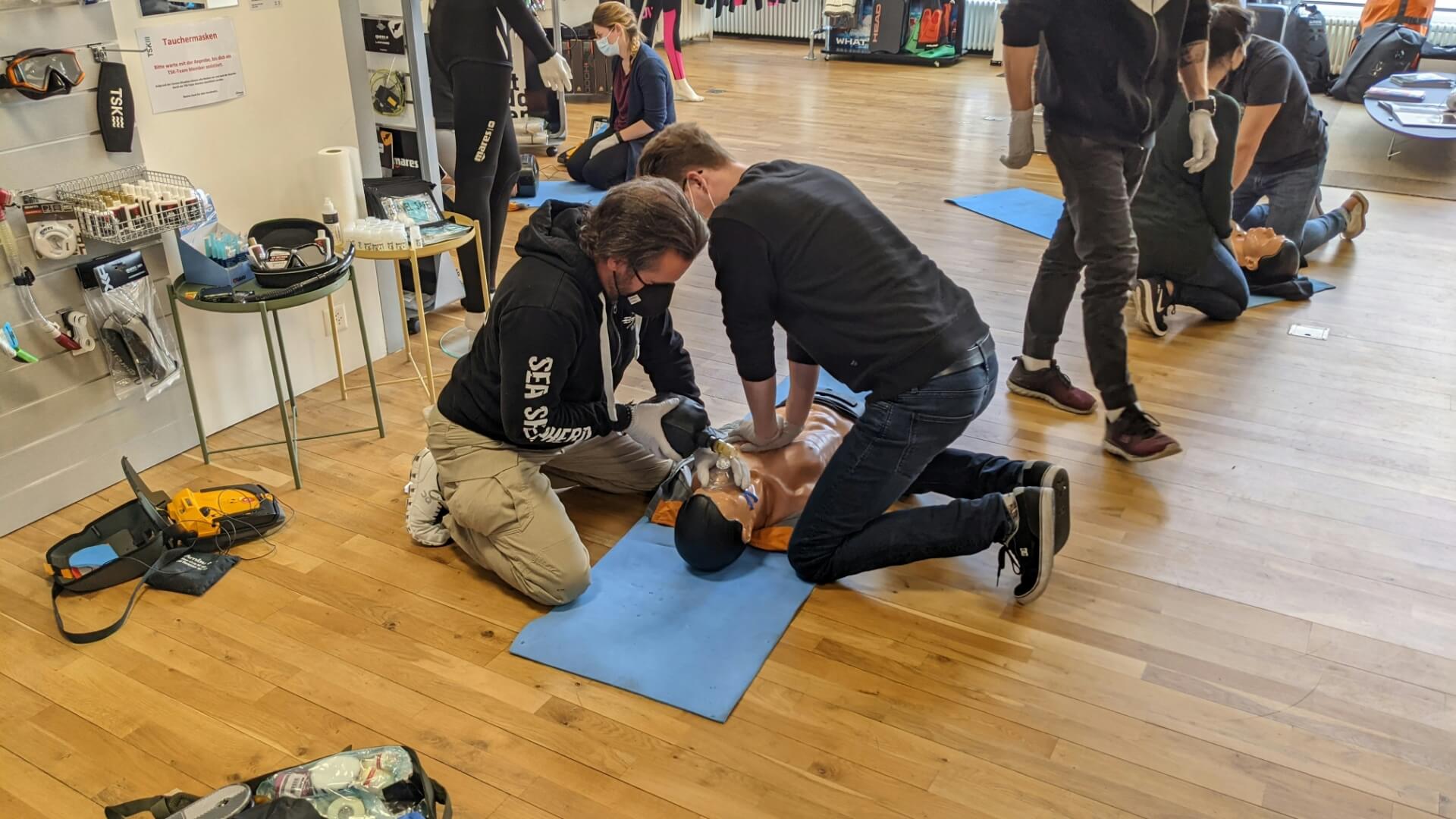
Beyond the device itself, a few other costs are key to a successful AED program. You’ll want a proper storage cabinet to keep the AED visible and protected, along with a fast-response kit containing items like scissors and gloves. But the most important accessory is confidence. Even the most user-friendly AED is more effective when people aren’t afraid to use it. Investing in hands-on training helps build the muscle memory and calm needed in a crisis. Practicing the steps reduces anxiety and empowers bystanders to act decisively, turning a piece of equipment into a true life-saving tool.
Does Insurance Cover a Home AED?
The short answer is: probably not. For most people, medical insurance is unlikely to cover the cost of a home AED. However, it’s not entirely out of the question. If you or a family member has a documented cardiac condition that puts you at a high risk for sudden cardiac arrest, your insurance provider may consider covering a portion of the cost, especially with a doctor’s prescription. The key is to be proactive and do your homework before you make a purchase.
Before you buy, contact your insurance company directly. Ask them about their policy on durable medical equipment and specifically about coverage for an AED. Be prepared to provide medical documentation and don’t be discouraged if your initial request is denied; you often have the right to appeal their decision. While navigating insurance can be a challenge, confirming your coverage options upfront will help you budget effectively and avoid any surprise expenses down the road.
Understanding Warranties and Service Plans
An AED’s warranty is more than just a piece of paper; it’s the manufacturer’s promise that your device will be free from defects and ready to perform. Most AEDs come with a warranty of five to eight years, which is a good indicator of the device’s expected lifespan. This covers any malfunctions related to manufacturing, but it doesn’t cover the routine replacement of expired pads and batteries. Think of the warranty as your safety net for the device itself, ensuring the core technology is sound.
This is where a service plan becomes so important. A great AED program goes beyond the initial purchase to ensure the device is always ready. An AED program management service takes the mental load off of you by tracking expiration dates for pads and batteries, sending you reminders for replacements, and confirming that your device is compliant with local regulations. This proactive approach ensures your AED isn’t just a box on the wall, but a fully-managed, life-saving tool that will be ready to work when you need it most.
Common AED Myths That Could Cost a Life
When someone’s life is on the line, hesitation can be the biggest obstacle. Unfortunately, a lot of myths and misunderstandings about AEDs can make people second-guess themselves in a crisis. Let’s clear up some of the most common misconceptions so you can feel confident stepping in to help when it matters most. Knowing the truth about these life-saving devices is the first step toward being truly prepared to act.
Myth #1: You Need to Be a Doctor to Use One
This is probably the most persistent myth out there, and it’s completely false. AEDs are specifically designed for bystanders—people just like you—to use with little to no training. When you open the device, it immediately starts giving clear, calm voice instructions and often has visual diagrams to guide you. It tells you exactly where to place the pads and what to do next. While getting hands-on training is always a great idea to build confidence, the device itself is built to be intuitive so that anyone can follow along and deliver a life-saving shock.
Myth #2: You Might Shock Someone by Accident
Many people worry they might shock someone who doesn’t need it or somehow make the situation worse. You can put that fear to rest. Modern AEDs are incredibly smart and have built-in safety features. The device will first analyze the person’s heart rhythm to determine if a shock is actually needed. If it detects a shockable rhythm, it will advise you to deliver one. If it doesn’t, it will not allow a shock to be given, no matter what buttons you press. It’s impossible to accidentally shock someone whose heart doesn’t need it, making the device safe for both the victim and the rescuer.
Myth #3: It’s Safer to Wait for Paramedics
In a sudden cardiac arrest, every single second counts. The idea of waiting for paramedics to arrive before taking action is a dangerous myth. A person’s chance of survival decreases significantly for every minute that passes without CPR and defibrillation. An AED is a critical bridge between the moment a person collapses and when professional help arrives. Using an AED as soon as it’s available can restore a normal heart rhythm and dramatically increase the odds of survival. You aren’t replacing EMS; you are giving the person the best possible chance while you wait for them.
Legal and Maintenance Requirements for AED Owners
Owning an AED is a powerful commitment to safety, but it comes with responsibilities that go beyond the initial purchase. To ensure your device is a life-saving asset and not just a box on the wall, you need to understand the legal and maintenance requirements that come with it. These rules are in place to make sure every AED is properly managed, always ready for an emergency, and integrated into your local emergency response system. Staying on top of these details is what turns a good intention into a truly effective safety program.
State Registration and Workplace Rules
While there isn’t a federal law that requires AEDs in every workplace, all 50 states have their own specific regulations. These laws governing the use of AEDs can vary quite a bit, covering everything from where a device must be located to who needs to be trained and whether it must be registered with local EMS. For example, some states require building owners to notify tenants of an AED’s location. Because the rules change from state to state, it’s crucial for business owners, school administrators, and safety managers to know exactly what their local obligations are. This ensures your program is not only effective but also fully compliant with state and local guidelines.
Essential AED Maintenance and Upkeep
An AED is a sophisticated medical device, not a piece of equipment you can set up and forget about. Its readiness depends on consistent upkeep. The most critical components—the electrode pads and batteries—have expiration dates and must be replaced every few years to guarantee the machine will work when you need it most. Following the manufacturer’s guidelines for regular checks is essential. These self-tests confirm the device is functioning correctly, so you can have peace of mind knowing it’s prepared for an emergency. This ongoing maintenance is a non-negotiable part of responsible AED ownership.
A truly effective AED program involves more than just tracking dates. It requires a complete system for managing your device’s readiness and compliance. This is where an AED program management service becomes invaluable, handling everything from automated expiration reminders to compliance reporting. Many states also require physician oversight for an AED program, which ensures proper medical direction. This integrated approach removes the guesswork and administrative burden, making it simple to keep your device, your training, and your entire safety plan in perfect working order and ready to save a life.
Which AED is Right for You?
The search for the right AED isn’t about finding a single “best” model—it’s about finding the one that’s best for your specific environment. The ideal device for a quiet home is very different from one needed on a construction site or in a busy school hallway. Key factors like who will be using it (a family member vs. a trained safety officer), the environment (indoors vs. outdoors), and who you need to protect (adults, children, or both) will guide your choice.
Think of it like this: you wouldn’t use the same fire extinguisher for a kitchen grease fire as you would for an electrical fire. Similarly, your AED should be matched to its surroundings. Does it need to be extra durable to handle dust and moisture? Should it have clear, simple voice prompts for untrained users? Does it need special pads for children? Answering these questions is the first step. A great AED becomes an extension of your emergency plan, so it needs to fit seamlessly. To help you find the perfect fit, we’ve broken down our recommendations for three key settings: the home, the workplace, and public community spaces. Each has unique needs, and understanding them will help you choose a device that provides real security and confidence when it matters most.
Choosing an AED for Your Home
When choosing an AED for your home, simplicity is everything. Home-use AEDs are specifically designed for people with no medical background. They provide calm, clear voice instructions and visual guides that walk you through every step, from applying the pads to delivering a shock. This is especially important if you have a family member with a known heart condition or live in an area where emergency services might take longer to arrive. Having a device like the Philips HeartStart OnSite AED at home can turn a feeling of helplessness into a moment of empowerment, giving you the ability to act decisively and make a life-saving difference for a loved one.
Considering Your Living Situation
Your home is more than just the living room. Think about where an emergency could happen. Do you have a pool, a dusty workshop, or a boat where the AED might be stored or used? These environments call for a more durable device. It’s worth looking at a model’s IP (Ingress Protection) rating, which tells you how well it stands up to water and dust. Also, consider who lives in or frequently visits your home. If you have children or grandchildren, having an AED with pediatric capabilities is non-negotiable. This usually means having separate, smaller pads or a key to switch the device to a lower-energy child mode. The right choice is one that fits the reality of your life and protects everyone in it.
Choosing an AED for Your Business or School
In a business or school setting, your priorities shift toward durability, versatility, and compliance. You need a device that can withstand the demands of a high-traffic environment and serve a diverse population, including adults and children. Look for features like a high IP rating, which indicates resistance to dust and water—perfect for workshops, gyms, or kitchens. For schools, having pediatric pads or a child mode is non-negotiable. Many business-focused AEDs also offer advanced features for trained responders. Managing these devices is also key, which is why many organizations use an AED program management service to track battery life, pad expiration dates, and compliance records, ensuring you’re always ready.
Choosing an AED for a Public Space
AEDs placed in public spaces—like community centers, churches, or sports fields—are all about immediate accessibility for the general public. These Public Access Defibrillators (PADs) are designed to be used by any bystander, regardless of training. They are distinct from the complex defibrillators you see in hospitals, featuring straightforward, often single-button operation and loud, clear instructions to guide a rescuer through the process. The goal is to empower anyone who witnesses a cardiac arrest to intervene before EMS arrives. Placing these devices in visible, unlocked cabinets ensures that when a crisis strikes, a life-saving tool is just seconds away for anyone to grab and use.
Overcoming Common Barriers in Public Spaces
Even when an AED is right there, a common fear can stop people in their tracks: “What if I do something wrong?” That worry is completely understandable, but modern AEDs are designed to eliminate it. They are incredibly smart and will not deliver a shock unless a life-threatening heart rhythm is detected—it’s impossible to harm someone by using one. The real barrier isn’t the technology; it’s confidence. In a moment of panic, knowing what to do is one thing, but feeling empowered to do it is another. This is where practice makes all the difference. Investing in hands-on training builds the muscle memory and calm needed to act decisively, transforming a bystander from a witness into a first responder.
Your Final AED Buying Checklist
You’ve done the research, compared the top models, and are ready to make a decision. That’s a huge step toward creating a safer environment for your family, employees, or community. To make sure you’re choosing the perfect device, run through this final checklist. Answering these questions will help you select an AED with confidence, knowing it’s the right fit for your specific needs.
Who are the potential rescuers?
Think about who is most likely to use the AED in an emergency. If it’s for a workplace, school, or public space, the user will likely be a bystander with little to no medical training. In that case, prioritize simplicity. Look for a model with clear, calm voice prompts and easy-to-follow visual diagrams. Modern AEDs are designed to be incredibly user-friendly, so don’t fall for the myth that they are too technical for the average person. The goal is for anyone to feel capable of stepping in to save a life.
Where will the AED live?
The environment where you store your AED matters. A device kept in a climate-controlled office has different needs than one on a factory floor or in a vehicle. For tougher settings, look for an AED with a high IP (Ingress Protection) rating, which indicates its resistance to dust and water. Durability is key to ensuring your device is ready to perform when you need it most. You can find a wide range of devices built for every environment at AEDLeader.com.
Do you need pediatric capabilities?
If your AED will be placed in a school, church, community center, or a home with children, this is a critical question. Sudden cardiac arrest can happen to people of all ages. Many AED models offer special pediatric pads that deliver a lower-energy shock suitable for a child’s smaller body. Some devices even have a “child mode” button or key, making the switch quick and simple in a high-stress situation. When in doubt, it’s always better to have the option.
Have you consulted an expert?
For businesses and organizations, choosing an AED is part of a larger safety plan. It’s wise to consult with professionals who can help you build a complete emergency response program, from training to compliance management. If you’re considering an AED for your home, the Mayo Clinic recommends you discuss it with your doctor, especially if a family member has a known heart condition. This expert guidance ensures your investment is both appropriate and effective.
Related Articles
Frequently Asked Questions
Do I really need to be trained to use an AED? While formal training is fantastic for building confidence, modern AEDs are specifically designed for anyone to use, regardless of their background. The moment you turn it on, the device provides clear, calm voice instructions that walk you through every single step. Think of it as having an expert talking you through the rescue. The goal is to empower you to act, so the machine does all the complex analysis for you.
What if I use the AED and the person doesn’t survive? Am I legally protected? This is a common and completely understandable fear, but you can put it to rest. All 50 states have Good Samaritan laws in place to protect bystanders who act in good faith to help someone during a medical emergency. These laws were created to encourage people like you to step in without worrying about legal trouble. Your role is to provide the best help you can until professional responders arrive.
How do I know if my AED is ready to use when I need it? An AED is only helpful if it’s ready to go. Thankfully, most devices make this easy by performing regular, automatic self-tests. You’ll typically see a green light or a status symbol indicating that everything is working correctly. The most important part of ownership is keeping an eye on the expiration dates for the electrode pads and batteries, which usually need to be replaced every few years.
Is it okay to use an AED on someone who is pregnant or has a pacemaker? Yes, you should absolutely use an AED in both of these situations. When a pregnant person experiences cardiac arrest, the priority is to save their life, which also gives the baby the best chance of survival. For someone with a pacemaker, the only adjustment you need to make is to avoid placing the electrode pad directly on top of the implanted device. Simply place it an inch or so to the side and proceed as you normally would.
What’s the most important thing to do while waiting for the AED to arrive? If you witness someone collapse, the first steps are always to call 911 and immediately start high-quality chest compressions. Pushing hard and fast in the center of the chest keeps oxygen-rich blood flowing to the brain and vital organs. This action serves as a critical bridge of time until someone arrives with an AED. CPR and an AED work together as a team to give a person the best possible chance of survival.
Disclaimer for information purposes only:
The information provided on this website is intended for general educational and informational purposes only. It is not medical advice and should not be used as a substitute for professional diagnosis, treatment, or care. Always consult a qualified healthcare or medical professional regarding any health-related questions or concerns.
While we strive to ensure the information shared is accurate and up to date, no guarantees are made regarding completeness, accuracy, or applicability to any individual situation. Use of this content is at the reader’s sole discretion and risk.
This website is part of the Response Ready family of emergency preparedness and training resources, including CPR & first aid training and compliance services, AED sales and program support, AED program management software, and medical oversight solutions provided through our affiliated platforms:
• AEDLeader.com
• ResponseReady.com
• AEDTotalSolution.com
• MDSIMedical.com
By accessing or using this website, you agree to release, indemnify, and hold harmless the website owners, authors, contributors, and affiliated entities from any claims, losses, damages, or liabilities arising from the use or reliance on the information presented.

Anastasios Giannikas
Anastasios Giannikas
Save Lives with the Right AED Today
Buy Trusted AEDs from AED Leader Today!
Get Certified in CPR and Make a Difference!