
It’s a common myth that sudden cardiac arrest only strikes older, unhealthy individuals. The reality? It’s a leading cause of death among young athletes, often happening without warning. When the heart’s electrical system fails, every second is critical. The chance of survival drops dramatically with each passing minute, and waiting for paramedics simply takes too long. The only effective treatment is a shock from an AED combined with high-quality CPR. While permanent venues have comprehensive aed packages for sports stadiums, temporary events need a more flexible solution. This guide will help you decide, ensuring you can respond immediately and turn a potential tragedy into a story of survival.
Key Takeaways
- Rent for events, buy for venues: Renting is the most practical and cost-effective choice for temporary events like tournaments or races, saving you the upfront cost and maintenance duties of ownership.
- A rental should be a complete solution: Choose a provider that includes a full rescue-ready kit, the required physician oversight for legal compliance, and offers resources for staff training.
- Plan for placement and people: An AED is only effective if it can be found and used quickly. Make its location visible and accessible, and ensure designated staff are trained and confident to act in an emergency.
Is Your Sporting Event Prepared for a Cardiac Emergency?
When you’re planning a sporting event, your focus is on the logistics, the teams, and creating a great experience for the fans. But the most important part of your plan should always be safety. While we hope for the best, preparing for the worst is non-negotiable, and that includes being ready for a sudden cardiac arrest (SCA). Having an Automated External Defibrillator (AED) on-site isn’t just about checking a box; it’s a critical tool that can turn a tragedy into a story of survival. It’s an essential part of any responsible event safety plan, ensuring you’re prepared to protect athletes, staff, and spectators alike.
Understanding Sudden Cardiac Arrest in Athletes
It’s a common misconception that athletes, who are often in peak physical condition, aren’t at risk for heart problems. However, sudden cardiac arrest can happen to anyone, anywhere, including on the field or court. SCA occurs when the heart’s electrical system malfunctions and it suddenly stops beating properly. It’s not the same as a heart attack. The person collapses, loses consciousness, and stops breathing.
According to the American Heart Association, sudden cardiac death is the leading medical cause of death among NCAA athletes. While the overall incidence has declined thanks to better emergency planning, the risk remains very real. It affects athletes across all sports and levels, from youth leagues to professional arenas, making preparedness a fundamental part of protecting your players.
The Stark Reality: SCA Statistics in Sports
Why Athletes Are at Higher Risk
It’s easy to assume that sudden cardiac arrest (SCA) is something that only happens to older, out-of-shape adults. But the truth is, SCA can strike anyone, regardless of age or fitness level, and it’s particularly dangerous in sports. The intense physical stress of competition can trigger a fatal malfunction in the heart’s electrical system, especially if there’s an undiagnosed underlying condition. This isn’t a rare occurrence; in fact, sudden cardiac death is the leading medical cause of death among NCAA athletes. This statistic alone highlights why every sports program, from youth leagues to college teams, needs a solid emergency action plan. When an athlete collapses, it’s not a moment to wait and see—it’s a race against time where immediate action is the only thing that can save a life.
The risk extends far beyond collegiate sports. Research shows that between 7,000 and 10,000 young Americans die from SCA every year, and it stands as the main cause of death on school campuses and for student-athletes. These aren’t just numbers; they represent students, teammates, and family members whose lives were cut short. The crucial factor in these situations is time. Survival rates plummet for every minute that passes without CPR and a shock from a defibrillator. Having an Automated External Defibrillator (AED) on the sidelines isn’t a luxury; it’s a fundamental piece of safety equipment. It empowers coaches, trainers, and even parents to become immediate responders, providing a bridge to survival until professional help arrives.
How an AED Saves a Life
During a sudden cardiac arrest, every second counts. The chance of survival decreases by about 10% for every minute that passes without defibrillation. An AED is the only device that can shock a heart back into a normal rhythm. Waiting for emergency medical services to arrive often takes too long, but having an AED on-site allows for immediate action. In fact, studies show that on-site AED use improves survival rates far more than waiting for paramedics to arrive with their equipment.
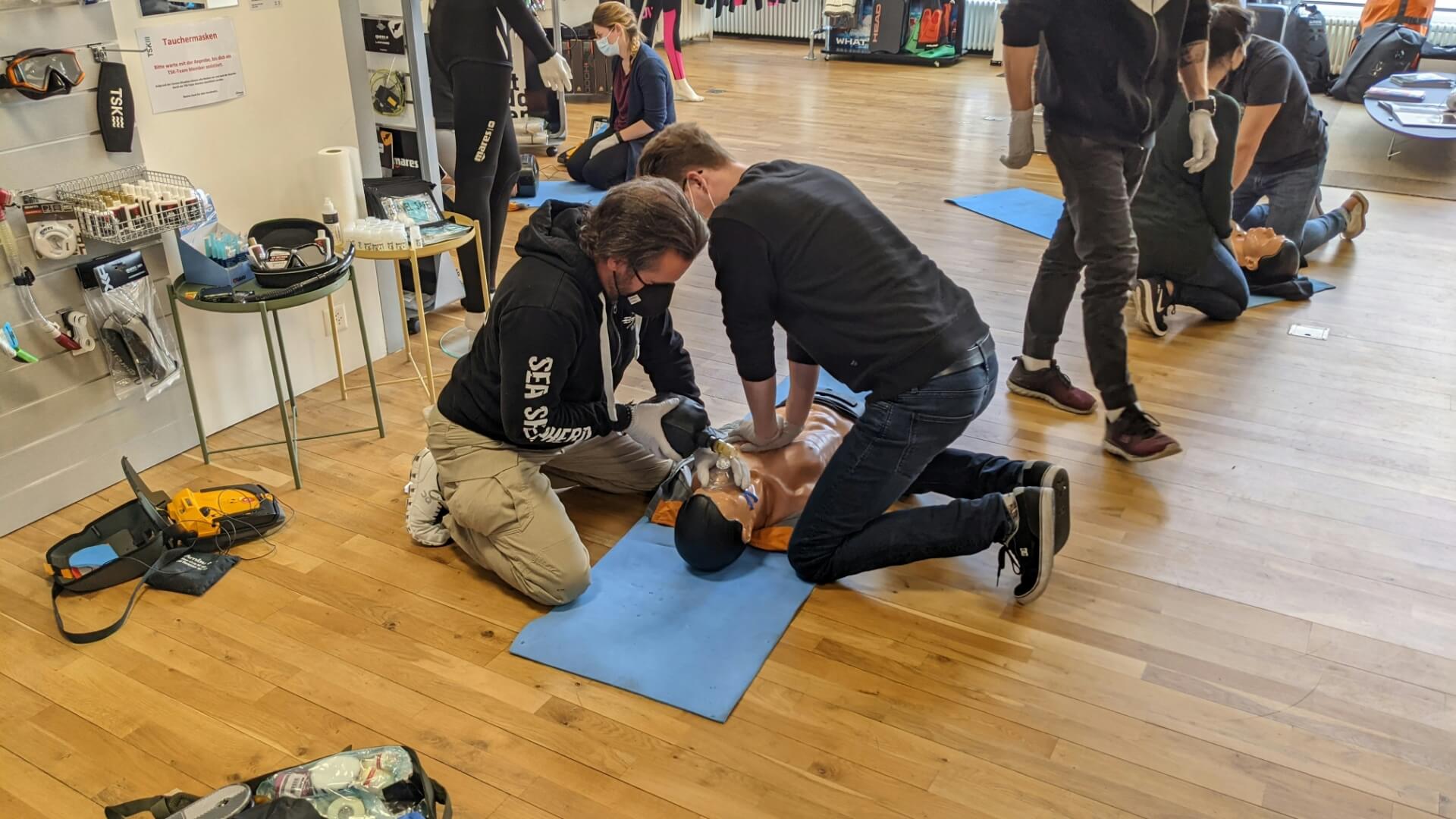
Modern AEDs are designed to be used by anyone, even without formal training. They provide clear, step-by-step voice instructions to guide the user through the entire process, from applying the pads to delivering a shock. When combined with high-quality CPR, an AED gives a person experiencing SCA the best possible chance of survival.
Are You Following Local AED Laws?
Beyond the moral responsibility to protect everyone at your event, there are legal considerations to keep in mind. While laws vary by location, many states have specific requirements for AEDs in public places like schools, gyms, and sports venues. Failing to have an AED could open your organization to liability if a cardiac arrest occurs. You can learn more about your state’s specific AED laws and regulations to ensure you’re compliant.
But this is about more than just following rules. Creating a comprehensive emergency action plan that includes an accessible AED and trained responders demonstrates a true commitment to safety. It protects your participants, reassures families, and safeguards your organization’s reputation. It’s a simple step that shows you are truly prepared for a life-threatening emergency.
AED Rental vs. Buying: Which Is Right for You?
Deciding between renting and buying an AED for your sporting event comes down to a few key factors: frequency, budget, and maintenance. If you run a facility that hosts games year-round, like a gym or a school, purchasing an AED is a smart long-term investment. Owning the device means it’s always on-site and ready for any emergency, whether it’s during a championship game or a quiet Tuesday practice. It becomes a permanent part of your safety infrastructure.
However, for short-term or seasonal events—think weekend tournaments, annual 5K races, or a summer sports league—renting is often the more practical and cost-effective choice. Renting gives you access to a life-saving device without the upfront cost and long-term commitment of ownership. You get a fully functional, compliant AED for the exact duration you need it, and then you simply send it back. This approach eliminates concerns about storage, battery expiration, and ongoing checks, letting you focus on running a safe and successful event. We’ll break down the biggest benefits of renting to help you make the right call.
The Cost-Effective Choice for Short-Term Events
If your event lasts a day, a weekend, or even a few months, renting an AED is the most budget-friendly way to ensure you’re prepared. Instead of a large upfront purchase, you can get a top-of-the-line device for a small daily fee. For example, some AED rental plans start at just a dollar a day, making it an incredibly affordable safety measure. This is perfect for annual fundraisers, seasonal sports leagues, or one-off tournaments where buying a device just doesn’t make financial sense. You get the same life-saving technology used by medical professionals without tying up funds that could be used for other parts of your event.
Skip the Hassle of Maintenance and Storage
Owning an AED comes with responsibility. You have to track the expiration dates of the electrode pads and batteries, perform regular readiness checks, and ensure it’s stored correctly. When you rent an AED, all of that is handled for you. The rental unit arrives ready to use, and the company takes care of all maintenance. If the pads or battery expire during your rental period, they’re replaced for free. Even better, if you use the AED in an emergency, the provider will replace the used supplies at no cost. This worry-free approach lets you focus on your event, confident that your device is ready to perform if needed.
Exploring the Cost of Purchasing an AED
If your organization owns its venue or hosts events year-round, purchasing an AED is the most reliable long-term safety solution. While renting is perfect for temporary needs, owning ensures a device is always available for practices, games, and any other activities at your facility. The initial investment might seem significant, but when you consider the life-saving potential, it’s a small price to pay for peace of mind. Understanding the costs involved, including the device itself and any necessary accessories, is the first step toward making this crucial addition to your safety plan.
Average Device and Package Costs
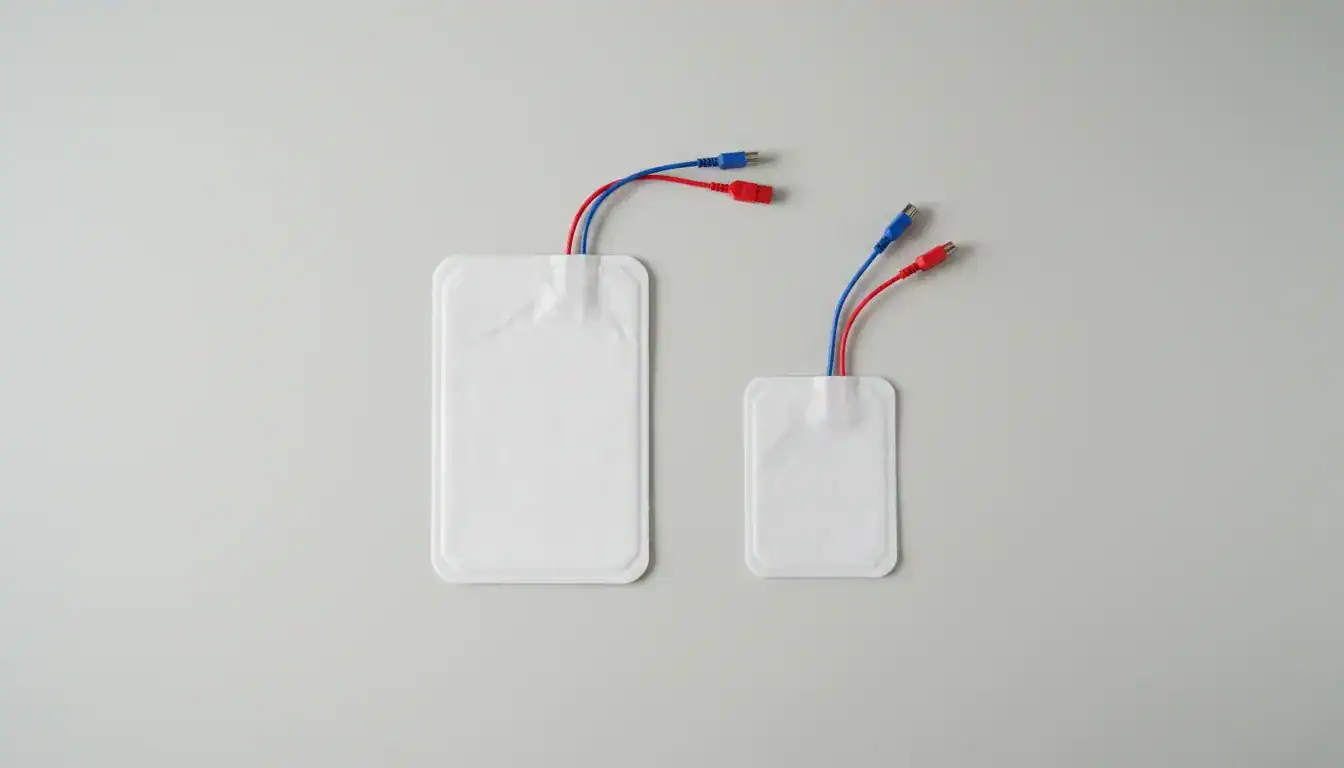
The price of a new AED typically ranges from about $1,200 to $1,900 for the device alone. However, most organizations opt for a package deal, which provides everything you need to be rescue-ready. These packages often include the AED, a set of adult electrode pads, a battery, a carrying case, and sometimes a wall-mounted cabinet and signage to ensure the device is visible and accessible. Complete AED packages generally run from $1,400 to just under $3,000, depending on the model and included accessories. Exploring a full catalog of AEDs can help you compare features and find a device that fits both your needs and your budget.
Cost-Saving Options: Refurbished and Trade-In Programs
If a brand-new device isn’t in the budget, don’t worry—you still have excellent options. Refurbished AEDs offer a safe and affordable alternative. These devices are professionally inspected, tested, and recertified to meet manufacturer standards, providing the same life-saving functionality at a lower price point. Another great way to save is through a trade-in program. If your facility has an older, outdated AED, many suppliers will offer a credit of up to several hundred dollars when you trade it in for a new model. This not only makes the upgrade more affordable but also ensures your equipment is up-to-date with the latest technology.
Financial Assistance and Fundraising for Your AED
The cost of an AED should never be the reason a life is lost. If your budget is tight, there are many avenues for financial support that can help you acquire a device. From national grants to local community efforts, numerous programs are designed to help schools, sports leagues, and non-profits get the life-saving equipment they need. It often just takes a bit of research and community spirit to bridge the financial gap. Let’s look at some of the most effective ways to secure funding for your AED.
Grant and Discount Programs
Many organizations are dedicated to improving cardiac arrest survival rates and offer financial assistance. National groups like the American Heart Association and sports-focused coalitions sometimes provide grants or significant discounts, with some programs offering AEDs at 20% to 60% off. Don’t forget to look locally, too. Community foundations, regional health organizations, and even state sports associations often have grant cycles specifically for safety equipment. A quick search for “AED grants for schools” or “youth sports safety grants” in your area is a great place to start your search for funding opportunities.
Community Fundraising Strategies
Never underestimate the power of your community. When it comes to protecting local athletes, parents, alumni, and local businesses are often eager to help. You can launch a crowdfunding campaign online to reach a broad audience or organize a classic fundraising event like a car wash, bake sale, or benefit dinner. Another effective strategy is to partner with local businesses for sponsorships or ask community service clubs like the Rotary or Lions Club for a donation. Framing the need clearly—explaining that their contribution will directly protect the lives of people in their community—can inspire incredible generosity and make acquiring an AED a true team effort.
Find the Perfect AED for Your Event Size
Not all AEDs are created equal, and the right one for your event depends on your environment. Renting gives you the flexibility to choose a model that fits your specific needs. For outdoor events or rugged sports, you might want a durable device like the HeartSine Samaritan PAD. For events with lots of volunteers, an easy-to-use model like the ZOLL AED Plus with its real-time CPR feedback is a great choice. Reputable AED rental companies provide a complete package, including the AED, a carrying case, adult electrode pads, and a battery, so you have everything you need in one grab-and-go kit.
Common AED Rental Myths, Busted
Hesitations about having an AED at your event often come from a few common myths. Let’s clear them up. First, you don’t need to be a medical professional to use one. Modern AEDs are designed for bystanders, providing clear, calm voice instructions to guide you through every step. Second, you can’t accidentally shock someone. The device analyzes the person’s heart rhythm and will only deliver a shock if it detects a life-threatening arrhythmia. Finally, many organizers worry about liability, but Good Samaritan laws exist in all 50 states to protect individuals who step in to help during an emergency.
What Are the Best AEDs for Sporting Events?
Not all AEDs are created equal, and the best one for a hospital might not be the right fit for a bustling soccer tournament. When you’re renting, you have the flexibility to choose a device that’s perfectly suited for the dynamic environment of a sporting event. Your choice should be guided by who will be using it and where it will be located. Let’s look at a few of the most popular and effective AEDs for events, each with its own unique strengths.
Key Features to Look for in an Event AED
When selecting an AED for a sporting event, your top priorities should be ease of use, portability, and reliability. The device needs to be simple enough for a volunteer or bystander to operate under pressure, light enough to carry across a field quickly, and tough enough to handle the elements. While having an athletic trainer on site can greatly increase the chances of survival from sudden cardiac arrest, the AED itself must be dependable. Look for devices with clear voice prompts, long battery life, and features that simplify the rescue process for everyone involved.
Durability and Portability
Sporting events rarely happen in a sterile, controlled environment. They’re out on dusty fields, in humid gyms, or sometimes even in the rain. Your AED needs to be ready for that. The best durable models have high IP (Ingress Protection) ratings, meaning they’re built to resist dust and water. They can also handle being jostled in a bag or even dropped during a chaotic rescue. Just as importantly, the device must be portable. When an emergency happens, you don’t have time to lug a heavy, bulky machine across a field. A lightweight, compact AED with a well-designed carrying case allows a responder to move quickly, which can make all the difference when every second is critical.
Battery Life and Warranty
An AED is only useful if it’s ready to work at a moment’s notice, and that readiness hinges on its battery. Look for devices with a long-lasting battery, typically one that lasts four years or more. Similarly, a long warranty—often eight years or more—is a strong indicator of the manufacturer’s confidence in their product. While buying an AED is an investment, the long warranty and battery life mean they save money over time. When you rent, this is a key benefit; the provider handles all the tracking and ensures the device you receive has a healthy battery and is well within its warranty period, taking the burden of AED program management off your shoulders.
ZOLL AED Plus: Get Real-Time CPR Feedback
The ZOLL AED Plus is an excellent choice for sporting events because it does more than just deliver a shock—it helps you perform better CPR. Its standout feature, Real CPR Help®, provides real-time audio and visual feedback on the depth and rate of your chest compressions. This guidance is invaluable for ensuring high-quality CPR, which is critical for survival. The ZOLL AED Plus defibrillator provides CPR feedback and automatic self-checks, making it a professional-grade AED ideal for events and temporary needs where you want to give your responders an extra layer of confidence.
HeartSine Samaritan PAD: Durable and Portable
If your event is outdoors or you need a device that can handle a little rough-and-tumble action, the HeartSine Samaritan PAD is a fantastic option. It’s one of the most compact and lightweight AEDs available, making it incredibly easy to transport. The HeartSine Samaritan PAD is designed for ease of use and portability, making it suitable for various environments, including sporting events. With a high durability rating against dust and water, it’s built to withstand unpredictable weather, so you can feel confident having it on the sidelines of a muddy field or at a dusty track meet.
Philips HeartStart OnSite: Designed for Simplicity
The Philips HeartStart OnSite AED is famous for its simplicity, making it a top pick for public spaces where the user might have zero medical training. In a high-pressure situation, its calm, clear voice instructions guide you through every step of the rescue, from placing the pads to performing CPR. The Philips HeartStart OnSite AED is so user-friendly that it’s accessible for individuals without medical training, which is crucial during chaotic moments at a sporting event. This focus on intuitive design helps remove guesswork and empowers anyone to step in and help save a life.
Using an AED on Children and Young Athletes
Since many sporting events involve kids and teens, a common question is whether an AED is safe to use on a younger person. The answer is a resounding yes. Sudden cardiac arrest doesn’t discriminate by age, and an AED is just as crucial for a child as it is for an adult. The key is knowing how to adapt the process for a smaller body. Modern AEDs are designed with this in mind, offering specific features to ensure a safe and effective rescue for children. It’s far more dangerous to hesitate than to act, as the device itself is smart enough to guide you. The most important thing is to respond quickly and confidently, knowing you have the right tool for the job.
Pediatric Pads and Child Mode Explained
For children under 8 years old or weighing less than 55 pounds, you should use pediatric pads if they are available. These pads are smaller to fit a child’s chest correctly and deliver a reduced-energy shock. Some AEDs also have a “child mode” or a special key that adjusts the shock level automatically. But what if you only have adult pads? The American Heart Association is clear: use them. It is far better to deliver a shock with adult pads than to not deliver one at all. The AED will still analyze the heart rhythm and only shock if needed. When you’re getting an AED for an event with young athletes, make sure your kit includes pediatric pads or that the device has a child setting.
Logistical Details: Prescriptions and Travel
Once you’ve decided to get an AED for your event, a few practical questions come up. Do you need a doctor’s note to get one? What if your team travels for tournaments—can you bring the AED with you? These logistical details are important for ensuring your AED program is not only effective but also compliant and hassle-free. Understanding the rules around prescriptions and travel ahead of time will save you from last-minute surprises. It ensures your life-saving equipment is ready to go wherever your team or event takes you, without any unexpected roadblocks.
Understanding Prescription Requirements
Most AEDs are classified as Class III medical devices by the FDA, which means they typically require a physician’s prescription to purchase. This ensures there is medical oversight for the device, which is a key part of a responsible AED program. However, there is an exception: the Philips HeartStart OnSite is the only AED currently available for purchase over-the-counter without a prescription. For all other models, you’ll need that authorization. The good news is that when you rent an AED or work with a full-service provider, the required medical direction and prescription are almost always included in the package, taking that compliance step completely off your plate.
Tips for Traveling with an AED
If your team travels for games or you’re organizing an event in another city, you can absolutely take your AED with you. For air travel, you can generally bring an AED in your carry-on luggage, but it’s essential to check with your specific airline beforehand. They often have rules about carrying the lithium batteries that power the device. Give them a call before your flight to confirm their policy and avoid any issues at security. When traveling by car, keep the AED in a climate-controlled environment—don’t leave it in a hot or freezing car for extended periods, as extreme temperatures can damage the battery and pads. A well-traveled AED is a sign of a well-prepared team.
How Much Does It Cost to Rent an AED?
Figuring out the cost of an AED rental is a key part of your event budget. The good news is that it’s often more affordable than you might think, especially when you consider the peace of mind it provides. Pricing is usually straightforward, but it helps to know what to expect so you can plan accordingly. The total cost typically breaks down into three parts: the rental fee itself, shipping and handling, and any potential extra charges. By understanding each component, you can find a rental plan that fits your event’s needs without any last-minute surprises. Let’s walk through what goes into the final price tag.
Breaking Down Daily and Weekly Rental Costs
The core rental cost depends on how long you need the AED. For a single-day event like a 5K race or a weekend tournament, you’ll likely pay a daily rate. Many companies offer tiered pricing, where the per-day cost gets lower the longer you rent the device. For example, you might see a rate of $99 for a one-day rental, but that could drop to $35 per day if you need it for a full week. If your event spans a month or more, like a summer sports camp, you’ll find that monthly rates are even more cost-effective. A popular option like the ZOLL AED Plus rental can be secured for a simple monthly fee, making budgeting easy and predictable.
What About Shipping and Setup Fees?
Beyond the daily or weekly rate, you’ll need to account for getting the AED to your event and sending it back. Most rental companies charge a flat shipping fee that covers both delivery and the return label, so you don’t have to worry about calculating postage yourself. This fee is typically around $100 for standard ground shipping. The AED will arrive ready to use right out of the box, with the battery and pads installed. This “white glove” approach means you can focus on your event, knowing the device is prepped and ready for action. Just be sure to confirm the shipping timeline so the AED arrives well before your event kicks off.
How to Spot and Avoid Hidden Fees
A reputable rental company will be transparent about all potential costs, but it’s always smart to ask about the details. Some providers require a security deposit at the time of booking, which is refunded after the AED is returned in good condition. You should also clarify the policy on supply usage. If the AED is used in an emergency, you generally won’t be charged for the used pads. However, you could face fees for missing or damaged accessories, or if the device itself sustains physical damage. Reading the rental agreement carefully and asking questions upfront ensures there are no unexpected charges on your final invoice.
How to Choose an AED Rental Company
Once you’ve decided to rent an AED for your event, the next step is finding the right company to work with. Not all rental services are the same, and the partner you choose can make a huge difference in how prepared you feel. A great rental company does more than just ship you a device; they provide a complete solution that includes the right supplies, essential training support, and proper medical oversight. Think of it as choosing a safety partner, not just a piece of equipment. To make sure you’re fully covered, ask a few key questions before you sign an agreement.
What to Look for in an AED Rental Package
When your rental AED arrives, it should be ready for an emergency right out of the box. Before you commit, find out exactly what’s included in the package. At a minimum, you should expect the AED unit, a set of adult electrode pads, and a battery. Most reputable companies also include a durable carrying case and a first-responder kit with essentials like scissors and gloves. For example, a short-term AED rental should arrive fully assembled and ready to use. Getting a complete, rescue-ready kit means you won’t be scrambling for critical supplies when every second counts.
Does the Company Offer Training and Support?
Having an AED on-site is the first step, but ensuring your staff feels confident using it is just as important. Ask potential rental companies what kind of training and support they offer. Do they provide instructional videos or live support to walk you through the device? Some companies go a step further by offering certified CPR and AED training for your team, which is the best way to prepare for a real emergency. A good partner will provide the resources you need to feel confident, not just compliant. This support can make all the difference in an actual emergency.
Why Medical Direction Is Non-Negotiable
To legally have an AED, most states require you to have medical direction, which is oversight from a licensed physician. This is a critical detail that protects your organization and ensures your program follows all the rules. A top-tier rental company will include this as part of their service, handling the compliance paperwork and physician oversight for you. This service, often called AED program management, takes the burden off your shoulders and ensures your event is protected from liability. Don’t skip this step—it’s essential for running a safe and legally sound event.
Can They Guarantee On-Time Delivery?
Logistics are everything when planning an event. An AED that shows up a day late is completely useless. Before you sign a rental agreement, confirm the company’s shipping timeline and process. Ask how long it takes for the device to ship after you sign the agreement and what the return process looks like. Most companies can get an AED to you within a few business days, but you’ll want to build in extra time to avoid any last-minute stress. Also, be sure to clarify shipping costs, including the return label, so there are no surprises on your final bill.
Set Up Your AED Rental for Success
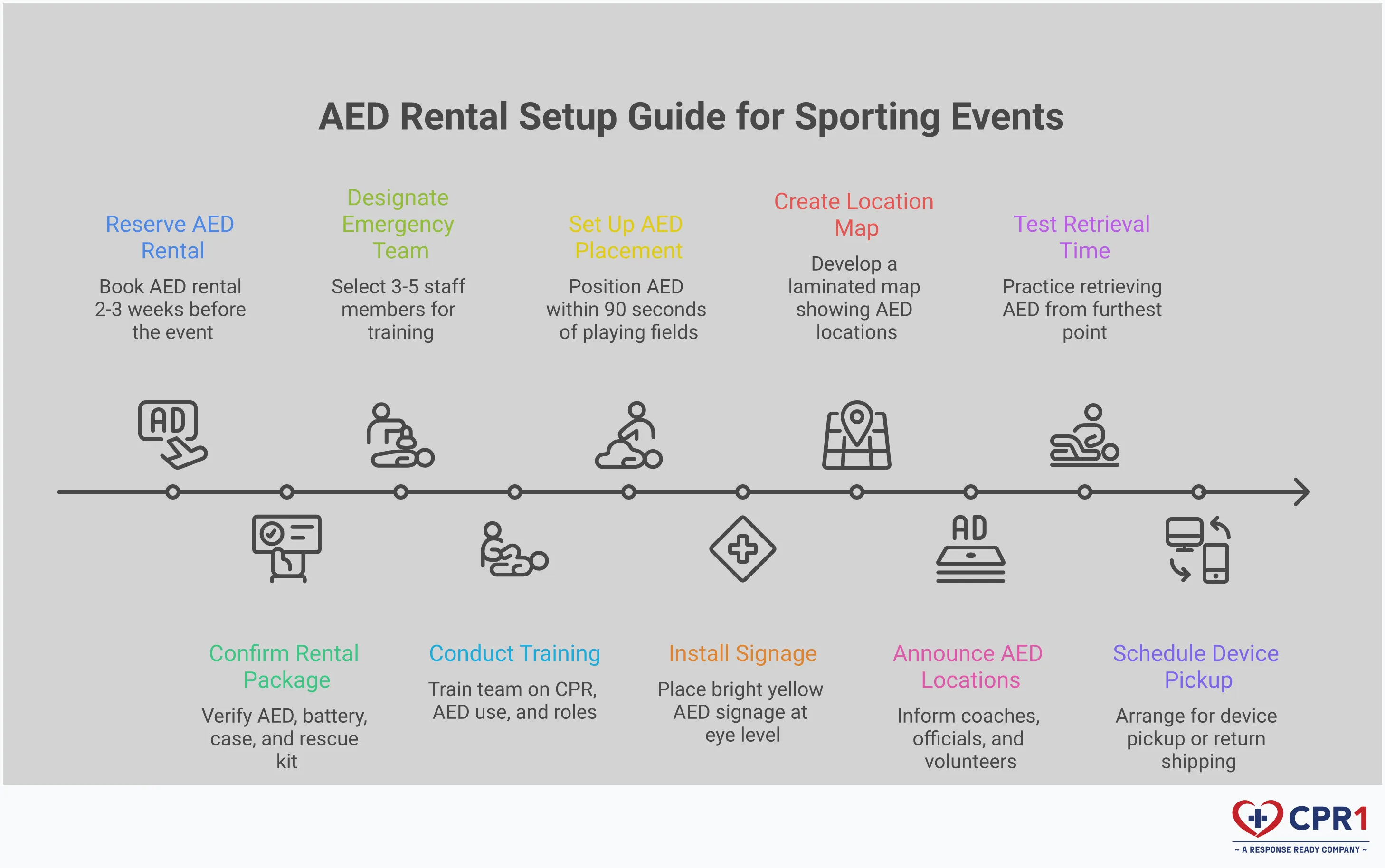
Renting an AED is a fantastic first step, but a successful outcome depends on more than just having the device on-site. A little bit of planning goes a long way in making sure your event is truly prepared for an emergency. By thinking through a few key details ahead of time, you can create a safer environment for every athlete, spectator, and staff member. Here’s how to set your event up for success from the moment you book your rental.
Why You Should Book Your AED Early
Give yourself one less thing to worry about by booking your AED rental well before your event date. Waiting until the last minute can lead to limited availability, rush shipping fees, and unnecessary stress. Planning ahead ensures you get the right device when you need it and gives you the peace of mind that this critical safety measure is handled. Most rental companies offer flexible options, with some daily rates starting at just a few dollars, making it affordable to secure your device early. Booking in advance also gives you plenty of time to coordinate delivery, confirm its arrival, and get your team familiar with the equipment before the big day.
Strategic AED Placement: Visibility Is Key
During a sudden cardiac arrest, every second counts. The AED needs to be visible, accessible, and in a location that everyone knows. Hiding it in a back office or a locked cabinet defeats the purpose. Choose a central, high-traffic spot like near the main entrance, the athletic trainer’s station, or the concession stand. Use clear signage to point the way so anyone can find it quickly. Announce its location during pre-event safety briefings for staff and volunteers. Having an AED on-site and easily accessible can truly be the difference between life and death, so make its location common knowledge for your entire team.
Applying the 3-Minute Rule
The reason for strategic placement all comes down to the 3-minute rule. In a sudden cardiac arrest, the goal is to deliver a shock within three minutes of the person’s collapse. This isn’t an arbitrary number; a person’s chance of survival drops by about 10% for every minute that passes without defibrillation. Waiting for paramedics often takes longer than this critical window allows. An effective AED program is built to beat this clock, ensuring that a trained responder can grab the device and apply it before it’s too late. This rapid response, combined with immediate, high-quality CPR, gives an athlete the absolute best chance of survival.
Integrate the AED into Your Emergency Action Plan
An AED is a critical tool, but it’s most effective as part of a broader emergency action plan. This plan should clearly outline who does what during a cardiac emergency. Who calls 911? Who starts CPR? Who retrieves the AED? On-site AED use improves survival rates more than waiting for emergency services to arrive, so your team’s response is crucial. Make sure you have staff members with CPR and AED certification who are ready to act. Integrating the AED into your formal plan and running drills with your staff ensures everyone is confident and prepared to save a life.
Establishing a Routine Maintenance Plan
An AED is a life-saving tool, but it’s not a “set it and forget it” device. Just like any critical piece of safety equipment, it needs regular attention to ensure it’s ready to perform at a moment’s notice. Establishing a simple maintenance routine is one of the most important responsibilities of AED ownership. This doesn’t have to be complicated or time-consuming; a few minutes each month is all it takes to confirm your device is rescue-ready. This proactive approach catches small issues, like an expiring battery, before they can become big problems in an emergency. It’s a fundamental part of a responsible safety program and ensures your investment continues to protect your community.
Monthly and Annual Checks
Your routine should include both monthly and annual checks, guided by the manufacturer’s recommendations. Every month, perform a quick visual inspection. Check that the status indicator light is green, which signals the AED has passed its self-test and is ready. Ensure the device is clean, undamaged, and that supplies like pads and batteries are within their expiration dates. Using a simple AED maintenance checklist can help you stay organized. Annually, take a closer look at the expiration dates for both the electrode pads and the battery, and order replacements well before they expire. For organizations managing multiple devices, services like AED program management can automate these reminders, taking the guesswork out of compliance and readiness.
Common AED Rental Mistakes to Avoid
Renting an AED for your sporting event is a fantastic step toward protecting your athletes and spectators. But just having the device on-site isn’t enough. To make sure it’s truly effective when seconds count, you need to avoid a few common slip-ups that can happen during the planning process. Think of it like having a star player on your team—if they’re stuck on the bench or don’t know the plays, they can’t help you win.
The most frequent mistakes we see are waiting until the last minute to book, overlooking team training, and placing the AED in a hard-to-find spot. Each of these can delay a response during a sudden cardiac arrest, and a fast response is everything. The good news is that these are all completely avoidable with a little foresight. By integrating the AED into your event’s emergency action plan from the very beginning, you ensure that your life-saving equipment is ready for action. Let’s walk through these common mistakes so you can set your event up for success and create a safer environment for everyone involved.
Mistake #1: Waiting Until the Last Minute
One of the easiest mistakes to make is putting off your AED rental until the week of the event. During peak sports seasons, rental demand is high, and you might find that inventory is limited or gone completely. Every local sports league should have an AED at their fields, and treating it as an afterthought can leave you without this essential piece of safety equipment.
Think of booking your AED with the same urgency as securing your venue or officials. As soon as your event dates are confirmed, reserve your AED rental. This guarantees you’ll have the device you need, gives you plenty of time for shipping, and allows you to incorporate its location and use into your pre-event safety briefings. Don’t let procrastination put your event at risk.
Mistake #2: Skipping Team Training
Having an AED is critical, but having people who are confident and ready to use it is just as important. While modern AEDs are designed to be used by anyone, panic can set in during a real emergency. A person who has received hands-on training is far more likely to act quickly and effectively.
You don’t need everyone on staff to be a medical expert, but you should have several designated responders who have completed a CPR and AED certification course. Having an athletic trainer or even a few trained parent volunteers on-site can dramatically improve the chances of a positive outcome. Training builds the confidence to act decisively, turning a piece of equipment into a true life-saving tool.
Mistake #3: Poor AED Placement
An AED can’t save a life if no one can find it. It’s surprisingly common for a rented AED to be tucked away in an office, locked in a storage closet, or left in a car. In an emergency, every second wasted searching for the device decreases the chance of survival. The AED must be visible, accessible, and clearly marked.
Place it in a central, high-traffic location like the registration table, near the main field’s entrance, or with the first aid station. Make sure its location is communicated to all staff, coaches, and officials during your pre-event briefing. In the event of sudden cardiac arrest, having an AED on-site and people who know where it is and how to use it can mean the difference between life and death.
Related Articles
- AED Rental — AED Total Solution
- Reliable AED Rental Services for Short & Long-Term Needs — CPR1
- AED Rental Service Overview & Pricing | ResponseReady
- AED Rental – MDSI | MD Solutions International
- Your Partner in Affordable AED Rentals | AED Leader
Frequently Asked Questions
Do I need to be a medical professional to use a rented AED? Not at all. Modern AEDs are specifically designed for bystanders to use during a high-stress emergency. Once you turn it on, the device gives clear, calm voice instructions that walk you through every single step, from where to place the pads to when to stand clear. The machine does the hard work of analyzing the heart’s rhythm, so you can focus on following the prompts.
What if I use the AED and make a mistake? Can I be sued? This is a very common and understandable concern. Thankfully, all 50 states have Good Samaritan laws in place to protect people who step in to help during a medical emergency. These laws are designed to shield you from liability when you act in good faith to save a life. The most important thing is to act quickly, and the law is on your side for doing so.
What happens if we actually have to use the AED during our event? First, focus on the emergency at hand. After the event, you’ll simply contact the rental company. A reputable provider will replace any used supplies, like the electrode pads, at no extra cost. They will also guide you through the process of getting the event data from the device, which is important information for the medical professionals who take over care.
Why is ‘medical direction’ required for a rental? It sounds complicated. Medical direction is a legal requirement in most states that ensures an AED program is managed safely and effectively under a doctor’s oversight. While it sounds complex, a good rental company handles this for you. They provide the necessary physician prescription and oversight as part of the rental package, making sure your event is fully compliant without adding any work to your plate.
How do I decide where to place the AED at my event? The best spot for an AED is somewhere central, visible, and unlocked. Think about high-traffic areas like the registration table, the main entrance, or next to the first aid station. The goal is for someone to be able to grab it and return to the person in need within 90 seconds. Be sure to point out its location to all your staff and volunteers during your pre-event briefing.