
Planning a 5K race or a community festival? Your safety checklist is probably a mile long. An AED is non-negotiable, but buying one for a temporary event is overkill. That’s why you rent an aed—it’s the smart, simple solution. The big question is always about budget: what is the actual AED rental cost per day event? We’ll break down the typical aed equipment rental rates and what’s included in the package. This way, you can protect your attendees without the long-term commitment of aed leases and budget with confidence.
Key Takeaways
- Look Beyond the Sticker Price: The final rental cost depends on the AED model, rental duration, and included support. A slightly higher price might offer better value if it includes comprehensive services like compliance management and automatic supply replacements.
- Renting Is a Full-Service Solution: A key benefit of renting is that the provider manages all ongoing maintenance. This includes tracking expiration dates and shipping new pads and batteries, ensuring your device is always ready without adding work to your plate.
- Take Control to Get the Best Deal: You can find a more affordable plan by comparing quotes from multiple providers, asking for discounts on long-term agreements, and bundling your rental with essential services like CPR training.
What’s the Real Cost to Rent an AED?
Deciding to rent an Automated External Defibrillator (AED) is a smart move for many organizations, but the first question is always about price. The cost to rent an AED can range from around $35 per day for a short-term event to as low as $60 per month for a long-term lease. The final price tag depends on a few key factors: how long you need the device, the specific model you choose, and what level of service and support is included.
Renting is an excellent solution if you have a temporary need, like for a weekend sports tournament, a construction site, or a corporate conference. It’s also a great option for businesses that prefer a predictable monthly operational expense over a large one-time capital purchase. A good rental program doesn’t just hand you a box; it provides a complete service that can include device setup, regular maintenance checks, supply replenishment, and even medical oversight. When you get a quote, make sure you understand exactly what’s included so you can accurately compare your options and find the best fit for your budget and safety needs.
Need an AED for a Day or a Week?
If you need an AED for a specific event, daily or weekly rates are your best bet. This is the perfect solution for things like 5K races, community festivals, or short-term projects. You can expect to see initial rates starting around $99 for the first day or two. However, most providers offer tiered pricing, meaning the daily cost goes down the longer you rent. For example, a rental lasting three or four days might drop to $50 per day, while a full week could bring the daily rate down to $35. These short-term AED rentals almost always include a ready-to-use device with a charged battery and fresh electrode pads, so you’re prepared from the moment it arrives.
Breaking Down Daily and Weekly Rates
When you’re budgeting for an event, it helps to know exactly how daily and weekly rates work. Most providers use a tiered structure to make longer rentals more affordable. For example, you might see a rate of around $99 for the first day, which then drops to about $50 per day for a three or four-day rental, and could go as low as $35 per day for a full week. It’s also important to factor in shipping, which is often a one-time fee of around $100 that covers delivery and the return label. A great rental provider will be transparent about these costs and bundle everything you need—the AED, pads, battery, and a carrying case—into one clear price. When you request a quote, always ask for a full breakdown to make sure there are no surprises.
Exploring Monthly and Long-Term AED Leases
For organizations that need an AED on-site for an extended period, a monthly or long-term lease is far more cost-effective. This is ideal for schools, offices, gyms, and churches that want the protection of an AED without the upfront purchase price. Monthly rental plans can start as low as $60 and often come bundled with comprehensive support services. These packages frequently include automatic pad and battery replacements, routine device checks, and access to AED program management software to ensure your device is always compliant and ready to use. This approach turns your AED from a simple device into a fully managed safety solution.
How Monthly and Annual Plans Compare
When you’re looking at longer-term rentals, you’ll generally choose between a monthly or an annual plan. A monthly plan is a great fit if you prefer a predictable, manageable operational expense over a large upfront cost. These plans often start around $60 per month and are designed to be a complete service, not just a device rental. The real value comes from the included support, which typically covers automatic pad and battery replacements, routine maintenance checks, and access to AED program management software. This ensures your device stays compliant and ready for an emergency without adding extra tasks to your to-do list.
If you know you’ll need an AED for the foreseeable future, committing to an annual or multi-year lease usually offers the best value. Providers often give a significant discount for longer terms, which can lower your effective monthly cost. For instance, a four-year AED rental might bring the price down to the equivalent of about $45 per month. This approach is ideal for established locations like schools, corporate offices, and fitness centers that want to lock in a lower rate and simplify their budget. It provides the same peace of mind and continuous readiness as a monthly plan but with greater long-term savings.
Does a Longer Rental Mean a Lower Rate?
The fundamental rule of AED rentals is simple: the longer you commit, the lower your per-period rate will be. A multi-year lease will have a much lower monthly cost than a month-to-month rental. When budgeting, be sure to ask about any one-time fees. Some providers charge a flat fee, perhaps around $100, to cover two-way shipping and handling, especially for shorter-term rentals. On the plus side, for businesses, the cost of renting an AED is typically a tax-deductible operating expense. Always get a detailed quote that breaks down all costs over the full term to see the complete financial picture and avoid any surprises.
Understanding Minimum Rental Periods
When you’re comparing rental quotes, one of the most important details to clarify is the minimum rental period. This is the shortest amount of time you’re required to keep the device, and it can vary widely between providers and plans. For a weekend event, the minimum term is often just a few days. However, to secure those lower monthly rates for a long-term lease, you might need to commit to a contract lasting one, two, or even four years. This commitment is the trade-off for a more predictable and affordable operational expense. It’s crucial to match the contract length to your actual needs, so be sure to ask upfront to find a rental term that works for you without locking you in for longer than necessary.
What Factors Influence AED Rental Costs?
When you start looking into AED rentals, you’ll quickly see that there’s no single, flat rate. The price can vary quite a bit, and it’s helpful to understand what you’re paying for. The final cost isn’t just about the device itself; it’s a combination of the hardware, logistics, and the level of support you need to keep your program running smoothly and effectively. A simple price tag doesn’t tell the whole story of what’s included—or what’s missing.
Think of it less like renting a tool and more like investing in a complete safety service. The best rental plans are designed to make sure your device is always ready for an emergency and that your organization meets all compliance requirements without adding extra work to your plate. This comprehensive approach moves you beyond just having a device on the wall to being truly prepared for a sudden cardiac arrest. Understanding these variables will help you compare quotes accurately and choose a partner that provides real value, not just the lowest initial price. Let’s break down the three main factors that shape the cost of an AED rental, so you can find a solution that fits your budget and your needs.
How Brand and Model Affect Your Price
Not all AEDs are created equal, and the specific brand and model you choose will be one of the biggest factors in your rental price. Leading brands like ZOLL, Philips, and HeartSine each offer devices with different features, technologies, and price points. For example, a model like the Philips HeartStart OnSite is known for its user-friendly interface designed for lay rescuers, while a ZOLL AED Plus offers real-time CPR feedback.
The technology inside the device plays a big role. Some models have more advanced capabilities, clearer voice prompts, or longer-lasting batteries and pads, which can influence the rental fee. When choosing, consider who will be using the AED and in what environment. We can help you select from a full catalog of AED devices to find the right fit for your team.
Factoring in Your Location and Shipping
Where you are located and how long you need the AED for can also affect the total cost. Most national providers can ship a device anywhere in the country, but logistics always come with a price. For short-term rentals, many companies charge a one-time fee that covers shipping the AED to you and the return shipping when you’re done.
This fee is usually straightforward, but it’s something to account for in your budget, especially if you only need the device for a single event or a few days. The good news is that most reputable providers don’t start the rental clock until the device arrives at your door, so you aren’t paying for the days it spends in transit. Always clarify shipping costs upfront to avoid any surprises.
Choosing the Right Service and Support Package
This is where you’ll see the biggest difference between a basic rental and a full-service safety program. A lower-priced rental might only include the device itself, leaving you to handle maintenance and compliance. However, comprehensive service packages bundle everything you need to keep your AED program effective and worry-free. These packages often include crucial services like tracking pad and battery expiration dates, sending replacement supplies automatically, and providing physician oversight.
Opting for a full-service plan ensures your AED is always ready for an emergency and that you meet state and local regulations. This level of AED program management is invaluable for businesses, schools, and other organizations that need to maintain compliance without hiring a dedicated safety manager.
Do You Need Special Accessories like Pediatric Pads?
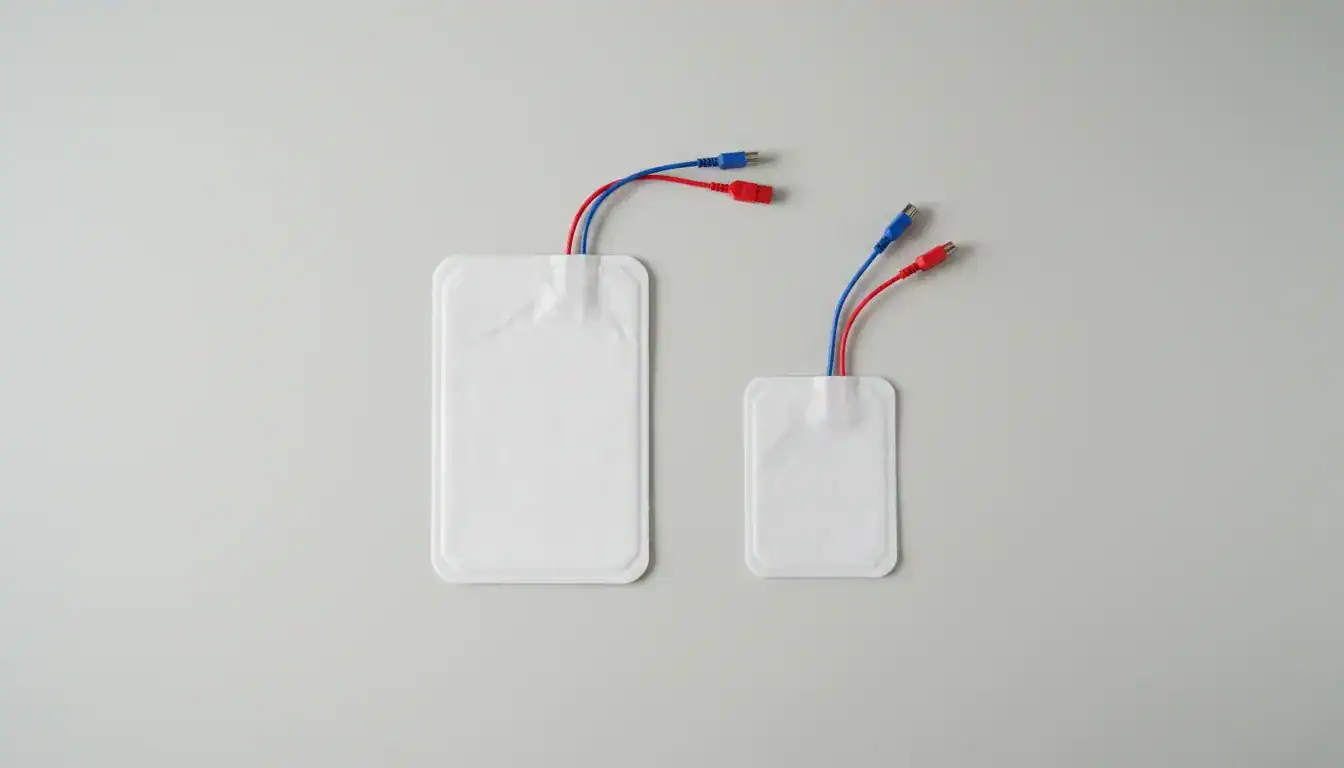
If your event, school, or facility will have children present, you need to think about more than just the AED unit itself. Standard AEDs come with adult electrode pads, but these are often too large for young children. For patients under eight years old or weighing less than 55 pounds, you’ll need special pediatric pads to ensure the device can deliver a safe and effective shock. These specialized pads are almost always an add-on to a standard rental package, so it’s something you absolutely need to factor into your budget from the start.
When you get a quote, be sure to ask if pediatric pads are included or what the additional cost will be. You should also clarify the policy for used or missing supplies. Some agreements may include a fee for replacing pads after an emergency, and you’ll want to know those details upfront to avoid unexpected charges. Making sure you have the right AED supplies for everyone you’re protecting is a non-negotiable part of being prepared and provides true peace of mind.
Are There Hidden Fees in AED Rentals?
When you’re renting any piece of equipment, the last thing you want is a surprise charge on your invoice. It’s a fair question to ask, and thankfully, the world of AED rentals is pretty straightforward. Reputable providers are transparent about their costs because they want you to be prepared, not caught off guard. The goal is to make life-saving technology accessible, not to complicate your budget with confusing fees.
Most rental agreements bundle the essential services into one clear price. However, there are a few line items you should be aware of from the start. These aren’t “hidden” so much as they are standard components of a rental agreement. Think of things like the initial shipping, the cost of replacement supplies like pads and batteries, and what happens if the device gets damaged. Understanding these elements ahead of time ensures you can compare providers accurately and choose the plan that truly fits your needs. Our full-service AED rentals are designed to be all-inclusive, giving you peace of mind from day one.
Understanding Shipping and Delivery Fees
Most providers charge a one-time fee to cover the logistics of getting the AED to you and returning it once the rental period is over. This fee typically covers insured, trackable shipping to ensure the medical device arrives safely. It’s common to see a flat rate, often around $100, for rentals shorter than a few years. For long-term agreements, some companies may waive this fee entirely. Think of it as an upfront cost for securely transporting a critical piece of equipment. It’s one of the first things you should ask about when getting a quote, so you can factor it into your initial budget.
Billing Cycles and Return Shipping Costs
When you’re planning your budget for an AED rental, especially for a short-term event, you’ll want to know exactly how shipping and billing are connected. Most providers simplify this by charging a single, upfront fee for round-trip shipping. This fee, which is often around $100, covers insured, trackable delivery to your location and includes a pre-paid label for an easy return. This approach keeps your costs predictable. A key detail to confirm is when the rental clock actually starts. Reputable providers won’t begin your billing cycle until the device is in your hands, meaning you aren’t paying for the days it’s in transit. To make sure everything is clear, it’s always best to get a detailed quote that breaks down all shipping fees and confirms the billing start date.
Will You Pay for Setup and Installation?
Here’s some good news: you can cross “installation fee” off your list of worries. Modern AEDs are designed to be incredibly user-friendly, arriving ready for use right out of the box. There’s no technical setup or special installation required. Your rental provider will ship the device with the battery and pads already installed and the unit placed in its case. All you have to do is put it in a visible, accessible location. This simplicity is a core benefit of renting, as it removes the technical hurdles and allows you to get your program running immediately. Comprehensive AED program management can further simplify this process by ensuring your device is always tracked and ready.
Who Covers Pad and Battery Replacements?
This is one of the biggest advantages of renting an AED. Pads and batteries have expiration dates, and if you own the device, you’re responsible for tracking and paying for these replacements, which can cost hundreds of dollars. With a rental agreement, all replacement supplies are almost always included at no extra cost. When your pads or battery are nearing their expiration date, the provider automatically ships you new ones. This service not only saves you money but also removes the administrative burden of monitoring supply life, ensuring your AED is always ready for an emergency.
What About Insurance and Damage Protection?
Because an AED is a valuable piece of medical equipment, most rental companies require a security deposit. This isn’t a fee but a refundable deposit that protects the provider against loss or significant damage to the unit. The amount can vary, but it’s held until the AED is returned and inspected. Once it’s confirmed to be in good working order, your deposit is refunded, minus any final rental charges. Some providers may also offer optional damage protection plans for a small additional fee, which can be a smart investment for AEDs placed in high-traffic public areas. Always be sure to ask what the policy is for damage or theft.
How Do Security Deposits Work?
When you rent an AED, you’ll likely see a security deposit on your agreement. It’s important to know this isn’t an extra fee—it’s a refundable amount the rental company holds as a safeguard. Think of it as a safety net for a valuable piece of medical equipment. The deposit protects the provider against potential loss, theft, or significant damage that goes beyond normal wear and tear. This practice is standard across the industry and ensures that high-quality, life-saving devices remain available for everyone who needs them. Once the AED is safely returned and inspected, that money is yours again.
The process is straightforward. You pay the deposit upfront, usually with your first rental payment. After your rental period ends, you simply ship the AED back using the provided instructions. The company then inspects the unit to make sure it’s in good working order with all its components, like pads and batteries, intact. If everything checks out, you receive a full refund. However, if the device is damaged or parts are missing, the cost to repair or replace those items may be deducted from your deposit. This is why it’s always a good idea to carefully review the terms of your rental agreement so you know exactly what to expect from start to finish.
Should You Rent or Buy an AED?
Deciding between renting and buying an AED comes down to your budget, your long-term needs, and how much you want to manage yourself. While owning an AED is a great investment in safety, renting offers a flexible, low-maintenance alternative that makes life-saving technology accessible to everyone. Let’s break down the key factors to help you figure out the best path for your organization.
A Head-to-Head Cost Comparison: Renting vs. Buying
The most immediate difference you’ll notice is the upfront cost. Buying a new AED is a significant one-time expense, while renting spreads that cost over time. With rental plans starting as low as a few dollars a day, it’s often a more budget-friendly option, especially for events or temporary needs. If you’re hosting a weekend conference, a 5K race, or a seasonal camp, renting is almost always the more economical choice. For organizations that need an AED long-term but can’t handle a large initial purchase, a rental plan makes it possible to get a device on-site right away without draining your budget.
Average Cost to Purchase a New AED
If you decide to buy, the upfront cost is the biggest hurdle. A new AED typically costs between $1,400 and $3,000, depending on the brand and its features. This initial investment gets you a brand-new device with a full manufacturer’s warranty. The price difference often comes down to the technology inside—some models offer real-time CPR feedback, full-color screens, or bilingual prompts, which can be invaluable in a high-stress situation. While this is a significant one-time expense, purchasing an AED gives you full ownership and control over your device. Just remember that this sticker price doesn’t include the ongoing costs for replacement pads and batteries, which you’ll need to budget for down the road.
Weighing Flexibility Against a Long-Term Investment
Beyond the initial price tag, think about your financial strategy. Renting an AED offers incredible flexibility. For businesses, rental payments are typically a deductible operating expense, and the IRS doesn’t view it as debt, which can be a nice bonus for your balance sheet. This makes renting a smart financial move if you value flexibility or want to try out a model before committing. On the other hand, buying an AED is a long-term investment. If you know you’ll need a device for the foreseeable future and have the capital, purchasing one means it’s your asset to keep. The right choice depends on whether you prioritize long-term ownership or adaptable, predictable monthly payments.
Can You Swap or Add AEDs During Your Term?
Absolutely. One of the standout benefits of renting is the ability to adapt as your needs change. Let’s say a new AED model with advanced CPR feedback technology comes out, and you want to upgrade. With a flexible rental agreement, you can often swap your current device for the latest model without any penalty. This ensures your team always has access to the best technology available. The same goes for expansion. If your company opens a new floor or a second location, you can easily add more devices to your plan. A good provider builds this flexibility into their agreements, allowing you to scale your safety program seamlessly as your organization grows.
Who Handles Maintenance and Compliance?
This is where renting really shines. An AED isn’t a “set it and forget it” device. It requires regular inspections, and its pads and batteries have expiration dates. When you buy an AED, that responsibility falls on you. With a rental, the provider typically handles all of it. Our AED rental programs include regular checks to ensure your device is always ready for an emergency. We track and replace expiring pads and batteries for you, which means fewer unexpected costs and one less thing on your to-do list. This ongoing support is crucial for maintaining compliance and, more importantly, ensuring your AED will work when you need it most.
How Rentals Cover Warranty and Repair Costs
When you buy a piece of technology, you know the manufacturer’s warranty won’t last forever. Once it expires, you’re on the hook for any repairs or replacements, which can be a sudden and costly surprise. This is another area where renting provides significant peace of mind. A good rental program doesn’t just hand you a box; it includes ongoing support for the life of your agreement. If your AED malfunctions or fails one of its routine self-tests, you don’t have to troubleshoot it yourself. You simply contact your provider, and they’ll handle the rest, often by shipping you a replacement unit immediately. This eliminates unexpected costs and ensures you’re never left without a working device.
Do You Need a Prescription to Buy an AED?
This is a question that surprises many people: Yes, in most cases, you do need a physician’s prescription to buy an AED. The FDA classifies most AEDs as Class III medical devices, which require medical oversight. The only exception is the Philips Heartstart OnSite, which is available for over-the-counter purchase. This prescription requirement ensures that a medical professional is involved in the process. However, this is a major hurdle that renting completely removes. When you rent an AED from a full-service provider, the required physician oversight and medical direction are already built into the program. You don’t need to find a doctor to sign off; it’s all handled for you, simplifying compliance and getting a life-saving device in your hands faster.
Exploring Financial Aid for Purchasing an AED
If you’ve decided that owning an AED is the right long-term choice but the upfront cost is a challenge, don’t get discouraged. There are several avenues for financial assistance, especially for non-profits, schools, and community groups. You can look for and apply for grants from various organizations or reach out to local service clubs like the Kiwanis or Lions Clubs, which often fund community safety projects. Another excellent way to reduce costs is to consider a recertified AED. These are pre-owned devices that have been professionally tested, restored to manufacturer standards, and come with a warranty. This option provides the reliability of a new device at a much lower price point, making ownership more accessible.
What Types of AEDs Can You Rent?
When you decide to rent an AED, you’re not just getting a generic device. You gain access to some of the most reliable, life-saving technology on the market, with models designed for different environments and user skill levels. The great thing about renting is that it allows you to equip your space with a top-tier AED without the significant upfront investment of purchasing one. This makes it easier for businesses, schools, and community groups to become prepared for a sudden cardiac arrest emergency.
The key is to understand what options are available so you can choose a device that fits your specific needs, whether it’s for a quiet office, a bustling school gym, or a rugged construction site. From leading brands to specific features, let’s break down the types of AEDs you’ll find available for rent.
A Look at Top Rental Brands: ZOLL, Philips, and HeartSine
You’ll find that most rental providers offer devices from the industry’s most trusted manufacturers. Brands like ZOLL, Philips, and HeartSine are leaders in the field because their AEDs are known for reliability, durability, and user-friendly interfaces. You won’t be renting an obscure or unproven device; you’ll be getting a piece of equipment that first responders and medical professionals trust.
Common rental models include the ZOLL AED Plus, which provides real-time CPR feedback to guide you on the depth and rate of chest compressions, and the HeartSine Samaritan PAD 350P, known for its compact size and simplicity. You can explore a full catalog of these top-tier AEDs to see which one best suits your organization.
Choosing Between Professional and Public Access Models
AEDs generally fall into two categories: professional models and public access models. Professional devices are designed for healthcare providers and first responders who are trained to interpret heart rhythms and may need advanced features. Public Access Defibrillators (PADs), on the other hand, are designed for anyone to use, regardless of training. These are the models you will almost always find available for rent.
PADs are built for simplicity, with clear voice prompts, visual diagrams, and automated analysis that guide a user through every step of a rescue. Renting an AED allows organizations to easily place this life-saving technology in public spaces, empowering bystanders to act confidently in an emergency. For businesses, schools, and community centers, a public access model is the perfect and most appropriate choice.
Which Features Will Impact Your Rental Price?
While all AEDs are designed to do the same job—deliver a shock to restart a heart—their features can vary, which often influences the rental price. A more basic, no-frills model will typically have a lower rental cost, while a device with more advanced guidance may be priced slightly higher. For example, an AED with real-time CPR feedback offers an extra layer of support that can dramatically improve rescue outcomes.
Other features that can affect the price include pediatric capabilities (does it need separate pads or have a simple switch for children?), durability ratings against dust and water, and the type of battery system it uses. When you explore different rental plans, consider your environment and the likely users to decide which features are essential for you.
Using AEDs on Children: Pediatric Pads and AHA Guidance
When an emergency involves a child, it’s critical to know that your AED is equipped for them. The American Heart Association (AHA) has clear guidelines: for children under 8 years old or weighing less than 55 pounds, you should use pediatric pads. These special pads reduce the energy of the electrical shock to a level that is safer and more appropriate for a child’s smaller body. Some modern AEDs make this even simpler with a “child key” or a switch that adjusts the energy dose without needing to change pads. When you’re arranging an AED rental for a school, sports league, or community event, it’s essential to confirm that your rental includes pediatric pads or a pediatric-capable device. This is a non-negotiable detail for any environment where children are present, and it’s a key part of comprehensive pediatric first aid preparedness.
What’s Included in an AED Rental Package?
When you rent an automated external defibrillator (AED), you’re getting more than just the device. A good rental plan is a comprehensive service designed to ensure your equipment is always ready for an emergency and that your organization meets all safety standards. It’s a partnership that handles the logistics so you can focus on being prepared to save a life. Let’s break down what you should expect to find in a quality AED rental program.
What Comes with the AED Itself?
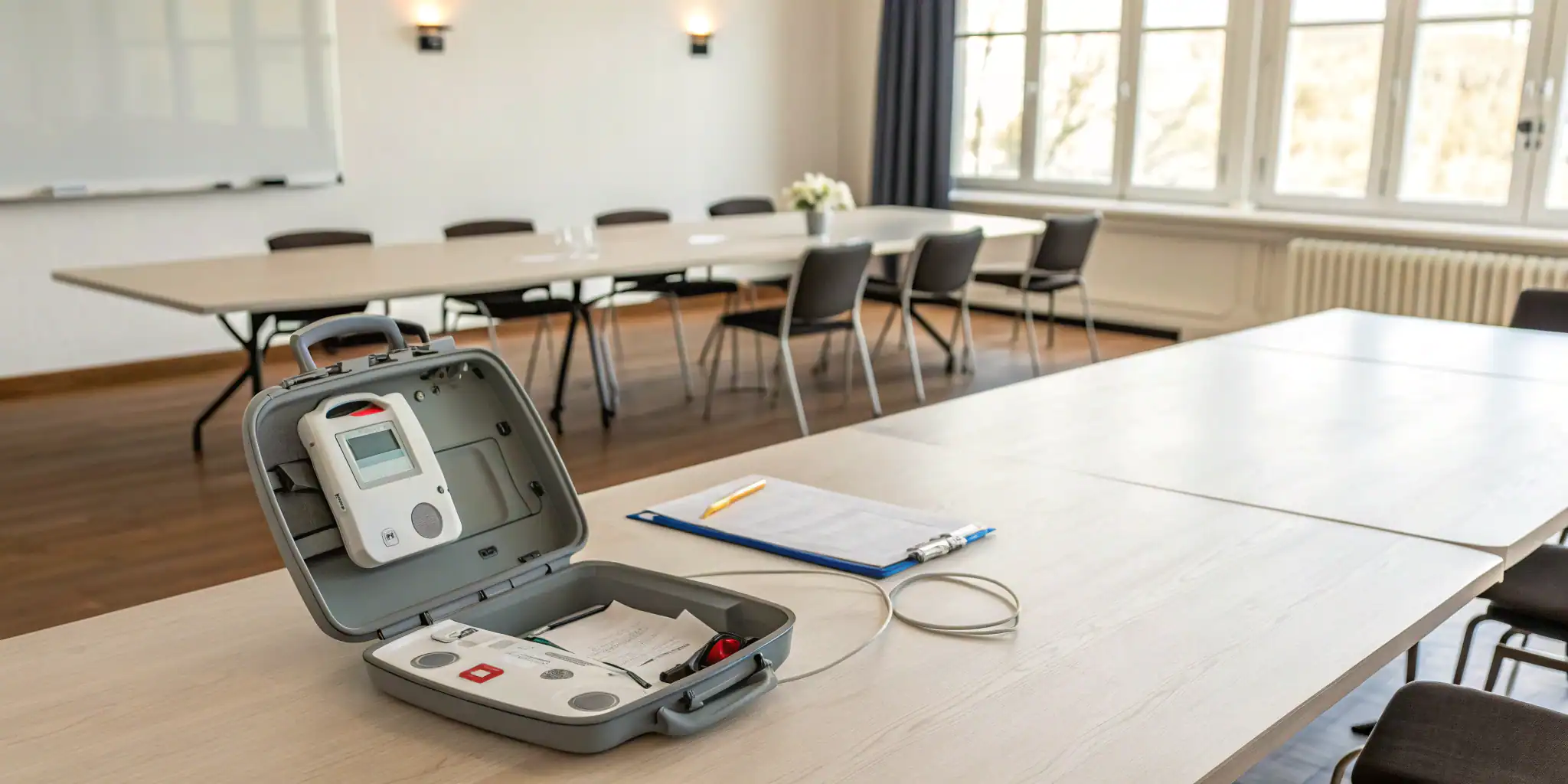
At the core of the package is the AED itself, typically a reliable, FDA-approved model from a leading brand like ZOLL or HeartSine. Your rental arrives ready for immediate use, including a durable carrying case, a fresh long-life battery, and at least one set of adult electrode pads. This all-in-one approach ensures your AED is fully equipped and prepared for a sudden cardiac arrest emergency from day one.
Can You Keep Accessories After the Rental?
Generally, you’ll return the entire AED package, including any unused accessories, at the end of your rental term. This is mainly for safety and quality control. AED pads are single-use medical items; once the package is opened, they must be replaced to ensure they are sterile and effective for the next rescue. Think of it as part of the service: the rental provider is responsible for sending out a complete, ready-to-use kit with fresh supplies every time. If you do use the AED during your rental period, you should notify your provider immediately. Most full-service plans will cover the cost and logistics of sending you replacement pads, ensuring you remain protected for the rest of your term. This system guarantees that every user receives a device that is fully stocked and ready for an emergency.
Does Your Rental Include Training and Certification?
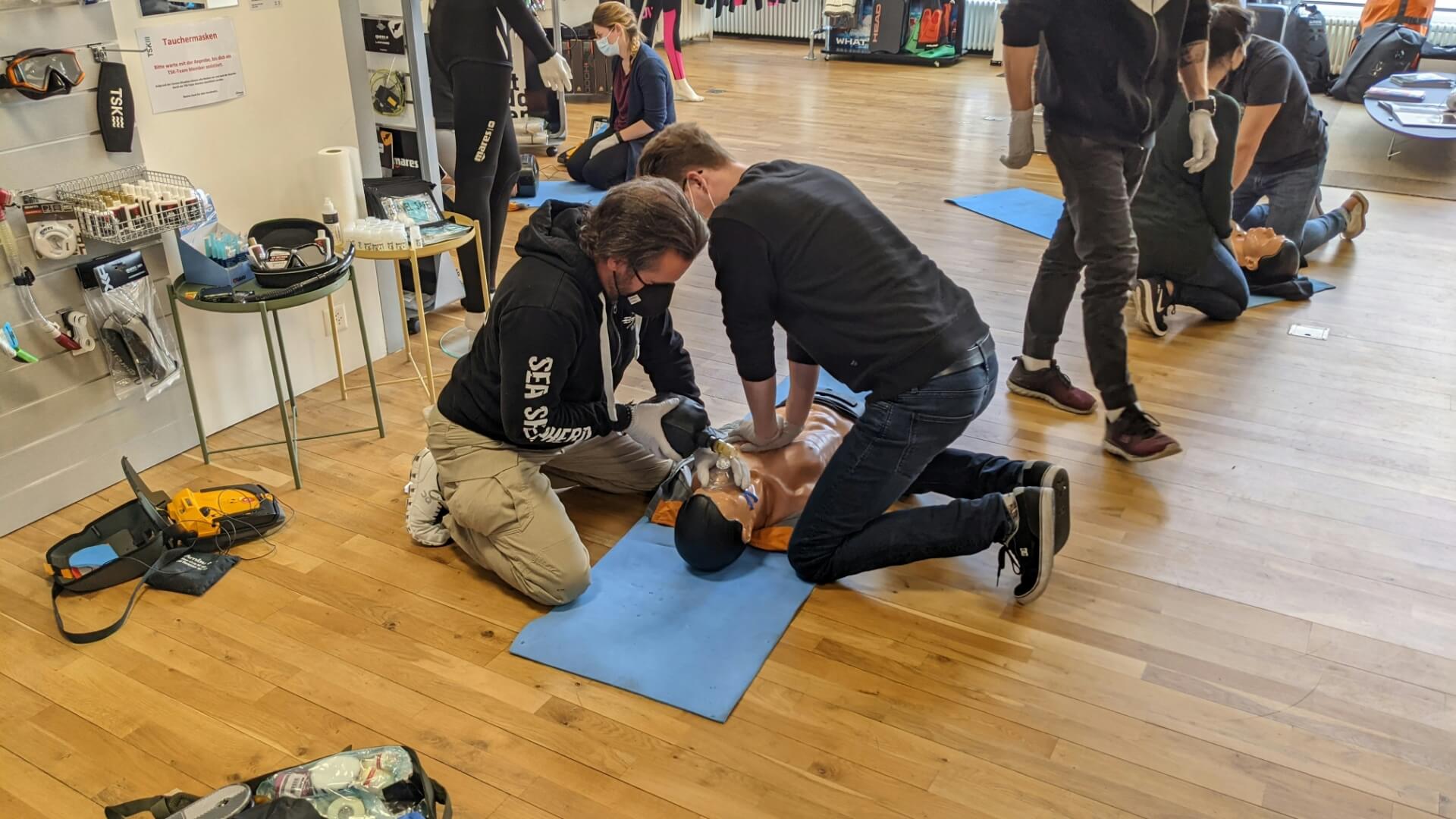
An AED is only as effective as the people trained to use it. That’s why many rental packages offer easy access to essential training. A comprehensive provider can help you coordinate onsite group training for your team, covering CPR, AED use, and First Aid. This hands-on instruction builds the confidence needed to act decisively in a crisis. Online certification courses also offer a flexible alternative for remote employees.
Is Ongoing Maintenance Part of the Deal?
A major advantage of renting is that you don’t have to manage the device’s upkeep. Your provider handles all ongoing maintenance, including tracking the expiration dates of pads and batteries and automatically shipping free replacements. Many programs also include readiness checks and automated alerts to confirm your AED is functioning correctly. This proactive support removes the guesswork and ensures your device is always ready to perform when it matters most.
Getting Help with OSHA and ANSI Compliance
For businesses, maintaining a compliant AED program is a legal and ethical responsibility. A quality rental package simplifies this by providing robust program management. This often includes medical direction from a physician, detailed record-keeping, and documentation to help you meet safety standards. With a service like AED Total Solution, all your compliance needs are managed for you, from tracking trained responders to logging monthly inspections, protecting both your people and your organization.
Physician Oversight and Program Management Software
An AED is a medical device, which means it legally requires a physician’s prescription and ongoing medical direction. This is a critical compliance step that many organizations overlook. A quality rental plan takes this burden off your shoulders by including physician oversight as part of the package. This ensures a licensed doctor oversees your program, signs off on the device, and reviews any event data if the AED is used. Paired with program management software, this service automates compliance tracking, sends reminders for inspections, and keeps detailed records, giving you a complete, defensible safety program without the administrative headache.
What Happens After the AED is Used?
In the stressful moments after an emergency, the last thing you should worry about is your equipment. If your rental AED is used, the process is simple. You’ll notify your rental provider, and they will immediately ship a loaner device, often overnight, so you are never without protection. Meanwhile, you’ll send the used AED back. The provider will then download the event data for the required physician review, replace the used electrode pads, and service the device to get it ready for its next emergency. This post-event support is a crucial and often overlooked benefit of renting, ensuring your program is restored to readiness with minimal effort on your part.
What Training and Support Can You Expect?
Renting an AED is about more than just getting a device; it’s about implementing a life-saving program. An AED is only effective if it’s working correctly and people feel confident enough to use it in an emergency. The best rental providers understand this and bundle comprehensive support to ensure you’re always prepared. This support system is often what makes renting such a smart choice, especially for businesses, schools, and community organizations that need a complete, hands-off solution.
A great rental package moves beyond the hardware and provides the training, maintenance, and planning needed to build a truly effective emergency response program. When you’re comparing providers, look closely at the level of support they offer. Do they just ship you a box, or do they partner with you to make sure your team is ready to act when seconds count? This ongoing support is what transforms a piece of equipment into peace of mind. It’s the difference between simply having an AED and being truly response-ready. The goal is to create a culture of safety where everyone knows their role and feels empowered to step in during a crisis. This holistic approach covers everything from initial training to post-event support, ensuring your program is robust and reliable from day one.
Getting Your Team CPR and AED Certified
Having an AED on-site is the first step, but having trained and confident responders is what truly saves lives. That’s why many top-tier rental programs include options for CPR and AED certification. Instead of you having to find and coordinate with a separate training company, the provider can deliver the necessary hands-on instruction for your team. This training ensures your staff can recognize the signs of sudden cardiac arrest, use the AED correctly, and perform high-quality CPR. Look for providers who offer flexible training formats, like onsite group classes for your entire staff or blended online courses for individuals with busy schedules. Integrating training into your rental package simplifies compliance and empowers your team to act decisively.
How Regular Inspections Keep You Prepared
An AED has critical components, like electrode pads and batteries, that expire. Forgetting to replace them could mean the device won’t work when you need it most. A key benefit of renting is that the provider typically manages all the maintenance for you. They keep track of all expiration dates and automatically ship you replacements before the old ones expire. Many programs also include automated alerts and access to a management portal, like AED Total Solution, that helps you monitor your device’s status. This service takes the burden of inspections and compliance off your plate. You can be confident that your AED is always ready for an emergency without having to add another task to your to-do list.
Building Your Emergency Response Plan
Placing an AED on the wall is a great start, but what happens next? A quality rental provider will help you develop a complete emergency response plan. They can offer guidance on critical details, like where to strategically place the AED for the fastest access, how to alert your internal response team, and what steps to take while waiting for EMS to arrive. This support helps you integrate the AED into your organization’s overall safety protocols, ensuring your program meets OSHA recommendations for workplace safety. This level of partnership is invaluable, as it helps you think through the entire chain of survival. It ensures your team has a clear, practiced plan to follow, turning a moment of panic into a coordinated and effective response.
Accessing Free Training Resources and Videos
While hands-on certification is the gold standard for emergency preparedness, ongoing reinforcement is just as important. Many rental providers supplement formal courses with a library of free training materials designed to keep life-saving skills sharp. These often include short, easy-to-digest videos demonstrating how to use a specific AED model, printable quick-reference guides, and infographics that break down the steps of CPR. These resources are perfect for a quick refresher between certification periods and help build a culture of awareness throughout your entire organization. When you partner with a comprehensive provider, you often gain access to an entire library of support materials. Exploring a provider’s online resources can give you a good sense of their commitment to your team’s long-term confidence and readiness.
How to Choose the Right AED Rental Provider
Choosing an AED rental provider is about more than just finding the lowest price—it’s about finding a partner who can help you build a reliable safety program. The right company won’t just drop a box on your doorstep; they’ll ensure your device is always ready for an emergency and that your team feels confident using it. When you rent an AED, you’re getting access to life-saving technology without the high upfront cost of purchasing, but the support behind that device is what truly matters. A great provider simplifies compliance, manages maintenance, and offers the training you need to be prepared. Think of it as an investment in peace of mind. As you compare your options, focus on reliability, comprehensive support, and transparency.
Should You Choose a National or Local Provider?
One of the first decisions you’ll make is whether to work with a national or a local provider. National providers are often the best choice for organizations with multiple locations, as they can offer standardized equipment, training, and support across all your sites. They typically have a wider selection of AED models from leading brands and more robust program management systems. A local provider might offer a personal touch, but they may have a limited inventory or lack the infrastructure to handle complex compliance needs. For most businesses, schools, and other institutions, a national provider delivers the consistency and comprehensive service needed to maintain a dependable AED program.
What to Look For in a Rental Provider
When you’re vetting potential providers, there are a few non-negotiables to look for. First and foremost is reliability. The company should only offer top-quality, FDA-approved AEDs and have a proven track record. Next, look for a provider that makes everything easy. This means they handle all the details, from sending you free replacement pads and batteries before they expire to offering expert support whenever you need it. Finally, while affordability is important, focus on overall value. The best rental AED programs bundle device access, ongoing maintenance, and compliance support into one straightforward package, so you know exactly what you’re getting.
Don’t Sign Anything Until You Ask These Questions
Before you commit to a rental agreement, get clear answers to a few key questions to avoid surprises down the road. A great provider will be happy to walk you through the details.
Start by asking:
- What does your program management include? Many rental programs offer automated notifications and alerts for tracking expirations and maintenance, which is essential for staying ready.
- What training and support do you offer? Remember, having an AED is only half the battle. Ensure the provider offers certification courses, as OSHA recommends that employers train designated employees on how to use the device.
- What happens if we use the AED? A good provider will have a clear post-event process, including data download support and restocking the device with fresh supplies.
What Is the Cancellation Policy?
Life is unpredictable, and sometimes plans change, which is why it’s smart to understand the cancellation policy before you sign a rental agreement. Policies can vary significantly between providers, but they almost always hinge on timing. For instance, you might be able to cancel without penalty if you do so within a few days of placing your order. However, once the AED has shipped, you’ll likely be responsible for shipping costs and may face an early termination fee. Many companies also require you to submit your cancellation request in writing. For event rentals, be particularly mindful of the deadlines, as some providers won’t offer refunds if you cancel within a certain window, like 30 days before your event.
Debunking Common Myths About Renting an AED
When you’re deciding how to equip your facility with a life-saving AED, it’s easy to get tripped up by common misconceptions. Renting can be a fantastic and practical solution for many organizations, but a few persistent myths often cause confusion. Let’s clear the air and look at the facts so you can make a confident choice that fits your budget and safety goals. Understanding the truth about AED rentals helps ensure you’re not overlooking a flexible, cost-effective way to protect your team, students, or community.
Myth #1: Rental AEDs Aren’t as Good as New Ones
It’s a common worry: is a rental device as reliable as a brand-new one? The answer is a resounding yes. Reputable providers rent the same FDA-approved, industry-leading AEDs from brands like ZOLL, Philips, and HeartSine that you would purchase outright. These aren’t second-rate machines. Instead, they are part of a professionally managed fleet. Every device is meticulously inspected, tested, and fully maintained to ensure it’s always ready for an emergency. You get a top-tier, compliant device without the long-term ownership responsibilities.
Myth #2: Renting Always Costs More in the Long Run
While buying an AED involves a significant one-time purchase, renting eliminates that large upfront cost. When you own an AED, you’re also responsible for ongoing expenses like replacing electrode pads and batteries, which can cost hundreds of dollars every few years. A rental agreement typically bundles these costs into one predictable monthly or annual fee. This makes budgeting simple and transparent. For short-term needs like special events or for organizations that prefer a steady operational expense over a large capital investment, renting is often the more financially savvy choice.
Myth #3: You Have to Figure Out Training by Yourself
A good AED rental is more than just a device in a box—it’s a complete service. Far from leaving you to figure things out alone, the best rental providers offer comprehensive support to ensure your team is prepared. This often includes options for onsite or online CPR and AED certification, which is crucial for building the confidence to act during a cardiac emergency. A quality partner will work with you to create an emergency response plan and make sure your program meets all state and local compliance requirements, turning a simple rental into a full-scale safety solution.
How to Get the Best Value on Your AED Rental
Renting an AED is a smart move for many organizations, but you want to ensure you’re getting the most for your money without sacrificing quality or support. Securing the best value isn’t just about finding the lowest price; it’s about finding a rental plan that fits your budget, covers all your needs, and gives you peace of mind. A little bit of research can go a long way in helping you find a cost-effective solution that keeps your team and community safe.
The rental market is competitive, which is great news for you. It means providers are often willing to work with you on pricing and packages to win your business. However, it also means you need to be a savvy shopper to sort through the different offers and find what truly works for your situation, whether you’re outfitting a single construction site for a few months or managing a dozen community pools for the summer season. Making a smart decision comes down to three simple strategies: comparing your options, asking for better rates, and looking for all-in-one packages. By approaching your search with these tactics, you can find a rental plan that provides a reliable, ready-to-use AED and the support you need to manage it effectively. Let’s walk through how you can put these steps into action.
Always Compare Quotes from Multiple Providers
When you start looking for an AED rental, you’ll notice that pricing and packages can vary quite a bit between providers. Take the time to gather quotes from a few different companies. Don’t just look at the daily or monthly rate; dig into what’s actually included. Does the price cover the AED unit, a carrying case, a rescue-ready kit, and delivery? Some companies offer competitive daily rates that make short-term AED rentals for events very affordable, while others specialize in comprehensive long-term plans. Comparing quotes helps you see the full picture, so you can find a provider that offers transparent pricing and the exact services you need.
Ask About Discounts for Seasonal or Long-Term Rentals
If you need an AED for more than a few weeks—say, for a sports season, a summer camp, or a year-long placement in your facility—always ask about discounts for extended rentals. Many providers are willing to offer better pricing for longer commitments because it guarantees them business. Some companies have established AED lease and rental programs with structured monthly rates that are much lower than daily or weekly pricing. Don’t be shy about asking directly: “Do you offer special rates for a six-month rental?” or “What does your annual pricing look like?” You might be surprised by the savings you can unlock just by planning ahead.
How Bundling Services Can Lower Your Cost
One of the easiest ways to get more value is to bundle your AED rental with other essential services. A standalone AED is just one piece of the puzzle. You also need to think about compliance tracking, maintenance, and training. Look for a provider that offers a complete safety solution. A comprehensive AED program management service can bundle the device rental with automated tracking for pad and battery expirations, physician oversight, and even CPR and AED certification for your team. This approach not only saves you money but also simplifies your responsibilities, ensuring your device is always ready and your program meets all compliance requirements.
Booking in Advance for Events
If you’re planning an event, especially during a busy season like summer or fall, it’s a smart move to reserve your AED well in advance. Just like popular venues or caterers, high-quality AEDs are in high demand for races, festivals, and corporate events. Waiting until the last minute could leave you scrambling or settling for a device that isn’t the best fit for your needs. Booking early ensures you get the model you want and gives you one less thing to worry about as your event date approaches. A quick call to secure your AED rental ahead of time guarantees your safety plan is locked in.
Practical Tips for Your Rental AED
Once your rental AED arrives, a few simple steps will ensure it’s ready to go. The first thing to do is open the case and check the device’s status indicator. Most AEDs have a small light or symbol—usually a green checkmark—that confirms the unit has passed its self-tests and is ready for use. Next, place the AED in a location that is highly visible and easily accessible to everyone. Avoid locking it in an office or tucking it away in a closet. The goal is for anyone to be able to grab it quickly in an emergency. Finally, make sure your staff or volunteer team knows exactly where it is and understands that they are empowered to use it if needed.
Remember, a good rental program is more than just a device in a box; it’s a complete service designed to make you feel prepared. The AED should arrive with a charged battery and fresh pads already installed, so there’s no setup required on your end. Your provider should also be available to answer any questions you have about the device. Taking a few moments to familiarize yourself with the unit and its location is a critical part of building an effective emergency response plan. This simple preparation ensures that your rental AED isn’t just on-site, but is truly ready to save a life.
Traveling with an AED
If your event or project requires you to travel, you can still have an AED on hand. Most national providers can ship a rental device anywhere in the country, making it easy to stay prepared no matter where you are. Typically, you’ll see a one-time fee that covers two-way shipping, so the cost of sending the device to you and getting it back to the provider is handled upfront. The good news is that reputable companies don’t start the rental clock until the AED arrives at your location. This means you aren’t paying for the days the device spends in transit, ensuring you get the full value of your rental period.
Related Articles
- AED Rental Service Overview & Pricing | ResponseReady
- AED Rental — AED Total Solution
- Reliable AED Rental Services for Short & Long-Term Needs — CPR1
- AED Rental – MDSI | MD Solutions International
- Your Partner in Affordable AED Rentals | AED Leader
Frequently Asked Questions
What happens if we actually use the AED during our rental? First, focus on the emergency at hand. After the event, your rental provider will guide you through the next steps. A good provider will have a clear post-event support process that includes helping you get the event data from the device for medical professionals and quickly sending you fresh electrode pads and other necessary supplies to get your AED ready for service again. This is a key part of a full-service rental program, ensuring you’re supported through the entire process.
Do I need to be certified to rent or use an AED? While you don’t legally need to be certified to use a public access AED in an emergency—they are designed with voice prompts and simple instructions for anyone to follow—getting certified is highly recommended. Training gives you the confidence to act decisively and teaches you how to perform high-quality CPR, which is a critical part of the rescue process. Think of certification as the best way to prepare yourself and your team to respond effectively.
Why is there such a big price range for AED rentals? The price variation you see often comes down to the level of service included. A lower price might just cover the device itself, leaving you to manage maintenance and supply replacements. A more comprehensive rental package bundles in crucial services like automatic pad and battery replacements, routine readiness checks, and compliance management software. The cost reflects whether you’re simply getting a piece of hardware or investing in a fully managed safety program.
Is renting a good option if I think I might want to buy an AED later? Absolutely. Renting can be a great way to get a life-saving device on-site immediately while you budget for a long-term purchase. It also gives you a chance to see how a particular model works for your team and environment. Some rental providers even offer rent-to-own programs or will apply a portion of your rental fees toward a future purchase, so be sure to ask about your options.
How quickly can I get a rental AED for a last-minute event? Most national providers are equipped to handle urgent requests and can often ship a device for next-day or two-day delivery. However, shipping times can vary based on your location and the provider’s inventory. If you have a last-minute need, it’s best to call a provider directly to confirm availability and shipping timelines. Planning ahead is always ideal, but a good company can usually accommodate a tight schedule.
Disclaimer for information purposes only:
The information provided on this website is intended for general educational and informational purposes only. It is not medical advice and should not be used as a substitute for professional diagnosis, treatment, or care. Always consult a qualified healthcare or medical professional regarding any health-related questions or concerns.
While we strive to ensure the information shared is accurate and up to date, no guarantees are made regarding completeness, accuracy, or applicability to any individual situation. Use of this content is at the reader’s sole discretion and risk.
This website is part of the Response Ready family of emergency preparedness and training resources, including CPR & first aid training and compliance services, AED sales and program support, AED program management software, and medical oversight solutions provided through our affiliated platforms:
• AEDLeader.com
• ResponseReady.com
• AEDTotalSolution.com
• MDSIMedical.com
By accessing or using this website, you agree to release, indemnify, and hold harmless the website owners, authors, contributors, and affiliated entities from any claims, losses, damages, or liabilities arising from the use or reliance on the information presented.

Anastasios Giannikas
Anastasios Giannikas
Save Lives with the Right AED Today
Buy Trusted AEDs from AED Leader Today!
Get Certified in CPR and Make a Difference!