
- Published
Is It Safe to Use an AED on Someone Submerged in Water or Lying in Snow?
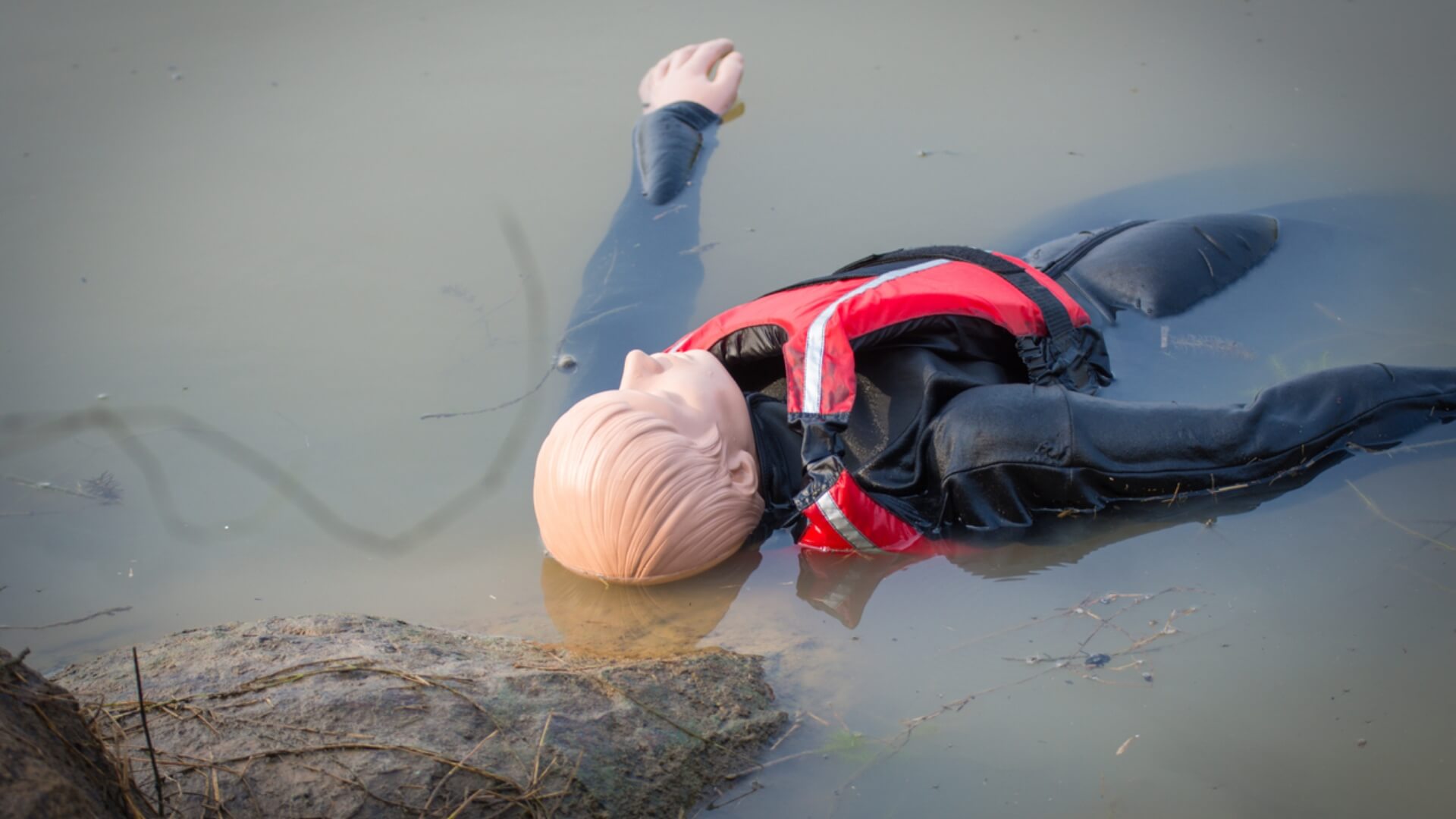
Using an AED on someone who is fully submerged in water is unsafe and won’t work effectively. You can still use the device if the person is only partially wet. This covers cases like being pulled from a pool, getting caught in the rain, or being found in the snow. Ensure their chest dries quickly after the activity. In emergencies like sudden cardiac arrest near water or ice, quick action is crucial. It’s also important to know the situations that allow for the safe use of an AED. Knowing the difference between safe and unsafe conditions can save lives.
How an AED Helps with Sudden Cardiac Arrest
Sudden cardiac arrest occurs when the heart’s electrical system fails. This causes the heart to stop pumping blood. In these moments, every second counts. Without CPR and defibrillation right away, survival chances fall quickly. They drop by about 10% every minute. Acting quickly can mean the difference between life and death.
An automated external defibrillator (AED) restores the heart’s rhythm during sudden cardiac arrest. It helps the heart return to normal function. AEDs work differently from manual defibrillators. They check the heart first. If they spot a treatable rhythm, such as ventricular fibrillation or pulseless ventricular tachycardia, they deliver a shock.
Can you use an AED on someone submerged in water?
Using an AED on someone in water is very risky. Water conducts electricity, so it can cause harm. The shock can spread. This may harm others nearby and lessen the help for the victim. Remove the person from the water. Dry their chest well. Then, apply the pads for proper contact and safety.
Can you use an AED in the snow?
Unlike water, snow usually doesn’t submerge a person, so the individual is more likely to be lying on the surface. In snowy or icy places like ski slopes or ice rinks, you can use an AED. Just make sure the chest is dry enough for the pads to stick. This helps ensure quick and effective treatment.
What should you do if you need to use an AED on someone submerged in water?
Drowning can cause cardiac arrest. So, AEDs are very important in places with water. New York law requires all swimming pools to have an AED. This helps ensure a quick response in emergencies.
If someone has sudden cardiac arrest in water, like at a pool or beach, act fast. Follow these safety steps:
- Make sure the area is safe before removing the person from the water, as you don’t want to risk your safety. Once it’s clear, move them to the closest dry spot.
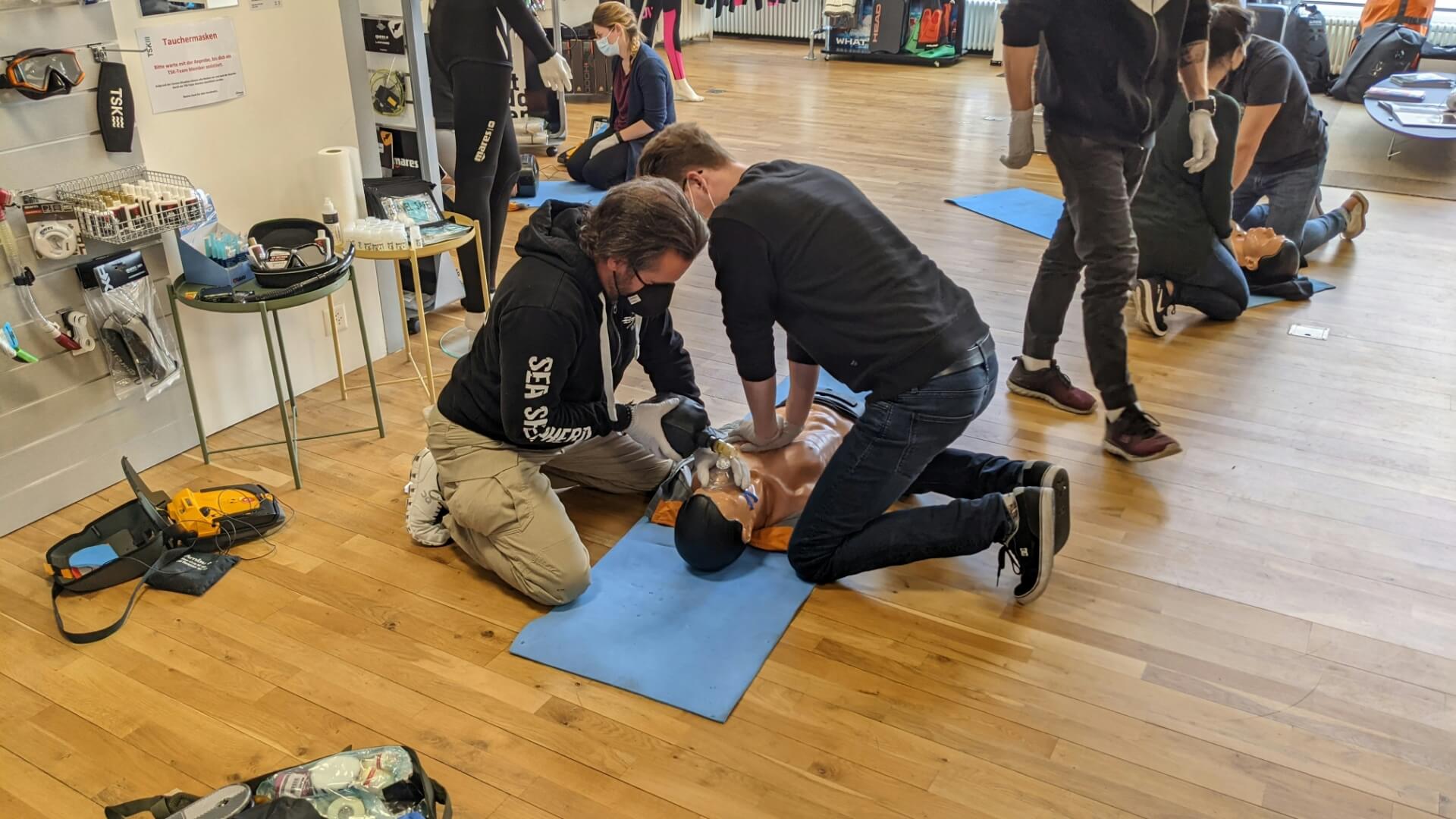
- Call 9-1-1 right away. Ask someone nearby to get an AED. Then, start hands-only CPR quickly.
- When the AED is ready, take off any wet clothes from the person’s upper body. This helps the pads adhere securely. Use scissors from the AED kit if needed, and make sure the chest is fully exposed and dry before applying the pads.
- Dry the person’s bare chest with a towel or dry clothing. Don’t forget to dry the upper stomach, neck, sides of the ribs, and underarms. This helps the AED pads stick better.
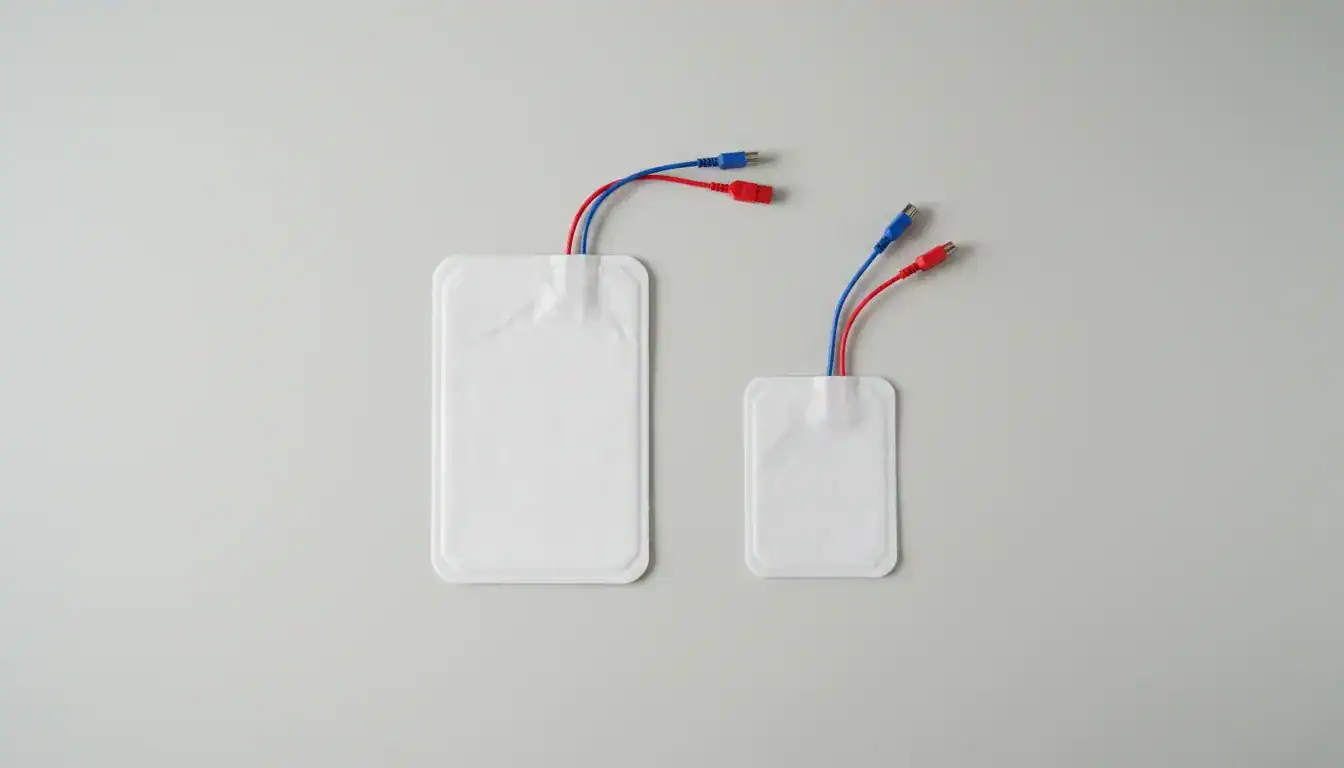
- Once the chest is completely dry, place the AED pads directly on the skin in the correct positions. See our full guide for where to place pads for adults, kids, and people with pacemakers.
- Continue performing CPR while someone prepares and activates the AED.
What to do if you need to use an AED on someone on snow or ice?
Using an AED in the snow is usually simpler than using one on someone who has been underwater.
Make sure the person’s chest and nearby areas are completely dry before placing the AED pads. If possible, set the device on a jacket to keep it insulated from the cold. Before the shock is given, loudly say “stand clear.” This makes sure no one is touching the victim. Then, you can deliver the shock.
Recommended AED machines for use near water and snow.
All AEDs can give a life-saving shock. Yet, some models work better in cold, wet, or humid conditions. The HeartSine Samaritan PAD 350P and HeartSine Samaritan PAD 450P are both reliable choices. They perform well in tough environments.
- Weighing only 2.4 pounds, the Samaritan PAD is light and compact. This makes it easy to carry over sand, snow, or ice to help someone in need.
- The Samaritan PAD is known for its great durability. It has an IP56 rating, which means it resists dust and water. Plus, it passed military-grade drop tests.
- The Samaritan PAD operates in temperatures between 32°F and 122°F. It handles humidity levels from 5% to 95% without causing condensation. It functions well at altitudes up to 15,000 feet.
Remember, do not place AEDs in water or snow when using them. This can harm the device and create electrical risks for the patient and anyone close by.
Know what to do and save a life
You can’t use an AED if the person is in water. Once they’re out and their chest is dry, you can use the device in most cases.
AEDs can resist some water and dust. This means you can use them in different settings. With the right knowledge, you can confidently use one to help save a life.
FAQs
Can you use an AED on someone submerged in water?
No, AEDs should never be used on someone who is fully submerged. Water can disrupt the device’s function. It can also create serious risks, like electric shock to bystanders. The person must be pulled from the water and moved to a dry area before using the AED.
Can you use a defibrillator on someone who is wet?
Yes, you can use a defibrillator on a wet person as long as their chest is thoroughly dried first. Remove wet clothing and dry your skin. This helps the electrode pads stick properly. It also ensures that the shock is delivered well.
Can you defibrillate a wet person safely?
You can defibrillate a wet person, but first, dry their chest. Make sure no water is left on the skin where the pads will go. This prevents the shock from dispersing and avoids potential harm to others.
Can you use an AED in the snow?
Yes, using an AED in the snow is possible. Since snow typically doesn’t submerge the victim, it’s easier to apply the AED after drying the chest. Place the AED on a dry surface or a jacket to protect it from the cold.
Is it safe to use an AED on a wet person in rain or flood situations?
In rain or flood scenarios, you can still use an AED once the person is out of standing water and their chest is dry. Be sure the surrounding area is safe and that no one is touching the victim when the shock is delivered.
Are AEDs waterproof or water-resistant?
AEDs like the HeartSine Samaritan PAD can resist dust and light moisture. Yet, they should never be immersed in water or snow. Always protect the unit from direct exposure to avoid damage or malfunction.
What should I do before using an AED on someone near water?
First, make sure the area is safe. Move the victim to a dry spot, call 9-1-1, and begin CPR. When the AED arrives, first dry the chest well. Then, place the pads and follow the prompts from the device closely.
Conclusion
Using an AED on someone wet or pulled from water needs caution. Yet, it can be done safely if you follow the right steps. You should never use an AED on someone who is still submerged. Once they are moved to a dry area and their chest is completely dry, using the AED can be safe and effective. No matter if the emergency is at a pool, on ice, or in the rain, knowing how to respond can change everything. Act fast, think clearly, and know how to use an AED in wet conditions. You can save a life.
Disclaimer for information purposes only:
The information provided on this website is intended for general educational and informational purposes only. It is not medical advice and should not be used as a substitute for professional diagnosis, treatment, or care. Always consult a qualified healthcare or medical professional regarding any health-related questions or concerns.
While we strive to ensure the information shared is accurate and up to date, no guarantees are made regarding completeness, accuracy, or applicability to any individual situation. Use of this content is at the reader’s sole discretion and risk.
This website is part of the Response Ready family of emergency preparedness and training resources, including CPR & first aid training and compliance services, AED sales and program support, AED program management software, and medical oversight solutions provided through our affiliated platforms:
• AEDLeader.com
• ResponseReady.com
• AEDTotalSolution.com
• MDSIMedical.com
By accessing or using this website, you agree to release, indemnify, and hold harmless the website owners, authors, contributors, and affiliated entities from any claims, losses, damages, or liabilities arising from the use or reliance on the information presented.

Anastasios Giannikas
Anastasios Giannikas
Save Lives with the Right AED Today
Buy Trusted AEDs from AED Leader Today!
Get Certified in CPR and Make a Difference!