
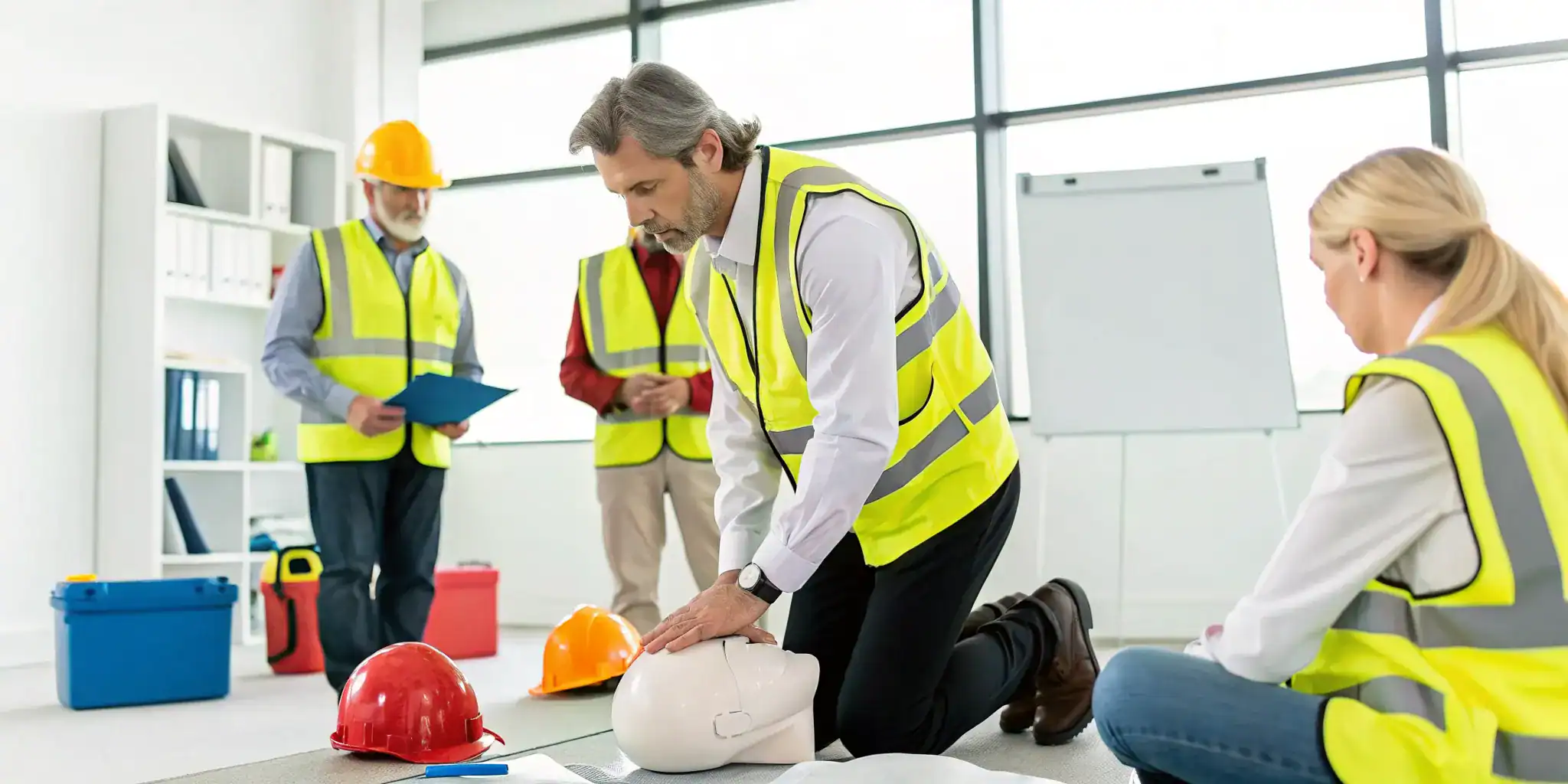
You’ve probably heard the dangerous myth that first aid training isn’t necessary for fitness center staff because it’s more important to rely on professional paramedics. You know that’s not true—your team members are the real first responders. The challenge isn’t if you should train them, but how. Finding a great onsite first aid training company can feel like a gamble. The quality varies wildly, and the last thing you need is a disengaged trainer or a scheduling nightmare. This guide will show you exactly what to look for, so you can find a partner that makes the entire process smooth and effective.
Key Takeaways
- Prioritize Quality Instructors and Relevant Content: Look for certified instructors with real-world emergency experience and training programs tailored to your industry’s specific risks. High-quality, modern equipment is non-negotiable for building real skills.
- Choose Onsite Training for Efficiency and Impact: Bringing training to your workplace saves money with group rates and eliminates employee travel time. It also makes the training more effective, as your team learns life-saving skills in the exact environment where an emergency could occur.
- Vet Providers to Avoid Common Pitfalls: Ask direct questions about scheduling, hidden fees, and instructor credentials before you commit. Read customer reviews for patterns, especially regarding communication issues, to ensure you partner with a reliable company that manages its own team.
Why Waiting for Paramedics Isn’t Enough
When an emergency happens, our first instinct is to call 911. That’s always the right move, but it can’t be the only one. The time between making that call and the moment paramedics arrive is often the most critical window in a medical crisis. What happens—or doesn’t happen—in those few minutes can determine the outcome for a colleague, a student, or a loved one. Relying solely on emergency medical services (EMS) to handle the situation means you’re overlooking the most crucial player in the chain of survival: the person who is already on the scene. That person is you. Having a team trained in first aid transforms your workplace from a group of bystanders into a team of capable first responders, ready to act decisively when every second counts.
The Reality of EMS Response Times
Even the best emergency services face unavoidable delays. Depending on your location, traffic, and call volume, waiting for paramedics can take anywhere from seven to 14 minutes. This isn’t a criticism of our hardworking first responders; it’s simply a logistical reality. An ambulance can’t materialize out of thin air. During that response gap, a manageable situation can quickly become a tragedy. For someone experiencing sudden cardiac arrest or severe bleeding, seven minutes is an eternity. This is why workplace safety isn’t just about prevention; it’s about being prepared to manage the immediate aftermath of an incident before professional help can take over. Your team’s ability to act confidently in this window is the bridge between the incident and professional medical care.
How a Few Minutes Can Change Everything
Those minutes waiting for an ambulance are anything but empty time. For a person in cardiac arrest, brain cells begin to die within four to six minutes without oxygen. For someone with a severe bleed, the situation can become fatal in under five minutes. The actions taken by a bystander in that initial window are what truly dictate a person’s chance of survival and recovery. Immediate intervention can keep oxygen flowing to the brain, prevent catastrophic blood loss, and stabilize a person until they can receive advanced medical treatment. This is where professional training makes all the difference. It replaces panic with a clear, actionable plan, giving your team the confidence to step in and make those critical minutes count for something positive.
How Immediate First Aid Saves Lives
The good news is that you don’t need to be a doctor to save a life. Simple, immediate actions performed by a trained bystander can dramatically alter the course of an emergency. According to research, immediate CPR can double or even triple a person’s chances of survival from cardiac arrest. In cases of severe injury, knowing how to control bleeding within the first three to five minutes is often the single most important factor in preventing death. These aren’t minor interventions; they are life-sustaining measures that serve as a critical bridge to professional medical care. By equipping your team with these skills, you are investing in their ability to protect one another and ensure that a medical emergency doesn’t have to end in tragedy.
The Power of Bystander CPR and Bleeding Control
Empowering your team with life-saving skills is one of the most impactful investments you can make in your organization’s safety culture. Knowing how to perform high-quality CPR, operate an Automated External Defibrillator (AED), and control severe bleeding transforms a bystander into an immediate responder. As the Cleveland Clinic notes, first aid helps to save lives, reduce suffering, and prevent injuries from getting worse. It’s far better to have the training and not need it than to need it and not have it. Our hands-on workplace safety courses, including CPR/AED and Stop the Bleed, are designed by first responders to build real-world confidence. We give your employees the exact skills they need to act effectively, ensuring they are prepared to be the help until help arrives.
How to Choose the Right Onsite First Aid Training Company
Choosing an onsite first aid training provider is a big decision. You’re not just checking a box for compliance; you’re entrusting someone with preparing your team for a critical situation where every second counts. The quality of the training can make all the difference between hesitation and confident action. So, how do you find a partner you can trust? It comes down to a few key factors. Let’s walk through exactly what to look for to ensure you get effective, engaging, and reliable training for your workplace.
Are Your Instructors Actually Certified?
The person leading the training is just as important as the curriculum. Look for instructors with real-world emergency response experience, like paramedics, firefighters, or nurses. They bring a level of calm and practicality that you just can’t get from someone who has only ever taught in a classroom. Before you book, make sure you can verify that the provider is certified by a nationally recognized organization. This confirms they meet high standards for delivering quality training. A great instructor doesn’t just recite information; they build confidence and empower your team to act decisively when it matters most. Don’t be afraid to ask about who will be teaching your course and what their background is.
Does the Course Cover What You Really Need?
Your workplace isn’t generic, so your safety training shouldn’t be either. The best training companies offer more than a standard CPR class. They work with you to understand the specific risks your employees face every day. For example, a construction crew needs different training than an office staff or a daycare team. A great provider will customize the training program to address your unique environment, incorporating scenarios that are relevant to your team. This makes the training more engaging and memorable, ensuring your employees know exactly how to respond to the situations they’re most likely to encounter on the job.
Core First Aid Skills to Look For
A quality first aid course should equip your team with the skills to handle the most critical, life-threatening situations. When paramedics are minutes away, immediate action from a bystander can be the difference-maker. Your training must cover the essentials, including how to perform CPR and use an Automated External Defibrillator (AED) for sudden cardiac arrest. It should also teach everyone how to respond to a choking victim and, crucially, how to control severe bleeding using direct pressure or a tourniquet. These aren’t just techniques to memorize; they are hands-on skills that build the muscle memory needed to act confidently under pressure. Ensure your provider focuses on practical application, so your team is prepared to step in and save a life.
Key Principles of Emergency Response
Beyond specific skills, effective first aid training instills a clear framework for responding to any emergency. The first step is always to stay calm and assess the situation. A panicked response doesn’t help anyone. A good instructor will teach your team to take a breath, check the scene for dangers, and ensure their own safety before attempting to help. The next critical step is calling for professional help immediately. Finally, they can provide care to the injured person. This simple sequence—Stay Safe, Get Help, Give Care—is a foundational principle that guides a responder through the chaos of an emergency, ensuring they can provide effective aid without becoming a victim themselves. It’s a mental toolkit that’s just as important as any physical skill.
Common Emergencies Covered in Training
A comprehensive training program prepares your team for a wide range of potential incidents beyond just cardiac arrest. Depending on your work environment, employees should learn how to recognize and respond to common medical emergencies like severe allergic reactions, asthma attacks, seizures, and strokes. The curriculum should also cover environmental and injury-related events, such as treating severe burns, head injuries, and broken bones. For many industries, specialized training like Stop the Bleed is becoming essential for handling traumatic injuries. A thorough course ensures your team isn’t just prepared for one type of emergency but has the broad knowledge to handle whatever comes their way.
Don’t Settle for Outdated Equipment
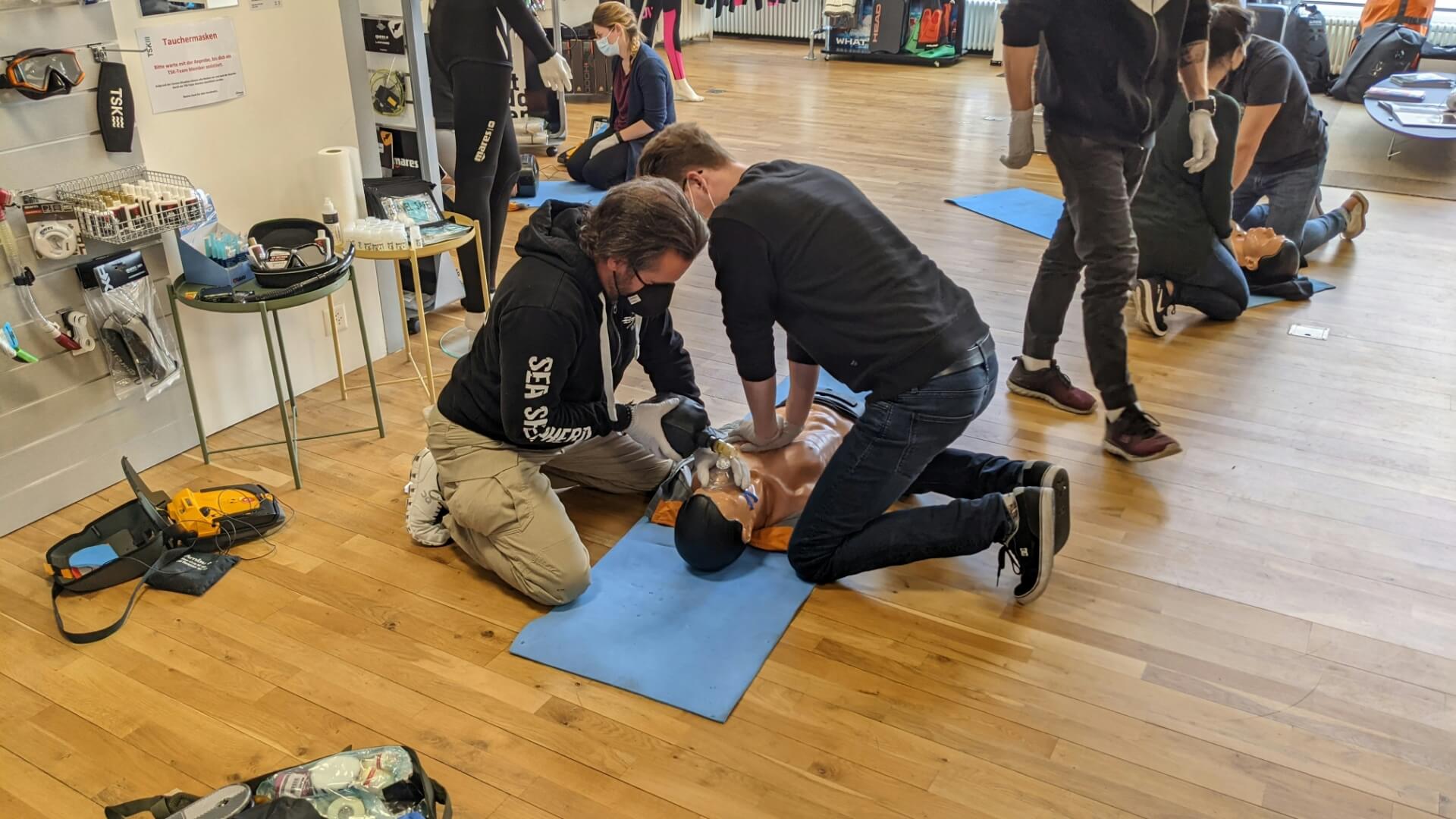
Confidence in an emergency is built through hands-on practice. That’s why the quality of the training equipment is non-negotiable. You want a provider that brings modern, clean, and realistic tools to your site. This includes things like CPR manikins that provide real-time feedback on compression depth and rate, and trainer AEDs that mimic the real devices your team would use. When employees practice with up-to-date equipment, they build muscle memory and familiarity. This is crucial because ineffective training can leave people unsure of how to respond. High-quality gear ensures the skills learned in class translate directly to a real-world emergency.
Find a Schedule That Actually Works for You
Let’s be honest, coordinating training for an entire team can be a logistical puzzle. A great onsite training company understands this and makes the process as simple as possible for you. They should offer flexible scheduling options, including weekends or multiple sessions, to fit your operational needs and minimize disruption. When you first reach out, pay attention to their responsiveness and communication. Are they easy to get ahold of? Do they provide clear answers? A reliable training partner makes booking and planning feel effortless, allowing you to focus on your other responsibilities while knowing your team’s safety is in good hands.
The Business Case for First Aid Training
Meeting Legal and Professional Requirements
Beyond just being a good idea, first aid training is often a non-negotiable requirement. For many industries, providing this training isn’t optional—it’s the law. Organizations like OSHA have clear first aid standards that businesses must follow to ensure a safe workplace and avoid significant penalties. In other fields, certification is a professional prerequisite. For instance, most personal trainers and fitness coaches are required to hold current CPR and AED certifications to be insured and employed. Fulfilling these legal and professional obligations is the baseline for operating a responsible business. It ensures you’re not only protecting your employees and customers but also safeguarding your organization from compliance issues down the road.
Reducing Liability and Building Customer Trust
Effective first aid training is one of the smartest investments you can make in risk management. In environments where injuries or medical events are more likely, such as gyms, manufacturing facilities, or schools, having trained staff is critical for reducing liability. When an emergency happens, a quick and competent response can dramatically alter the outcome. In fact, immediate CPR can double or triple a person’s chance of survival after cardiac arrest. This capability doesn’t just protect people; it protects your business. More importantly, it sends a powerful message to your customers and community. Seeing certified staff and accessible AEDs demonstrates a deep commitment to safety, building a level of trust and credibility that sets you apart from the competition.
Not All Onsite Training is Created Equal
Choosing the right training partner can feel overwhelming, but it really comes down to finding a provider that fits your team’s specific needs. As you explore your options, think about the scale of your organization, the unique risks your employees face, and the level of quality you expect. Not all training is created equal, and looking at a few key factors will help you find the perfect fit for your workplace.
Should You Choose a National or Local Trainer?
One of the first decisions you’ll make is whether to go with a large, nationwide provider or a smaller, local trainer. For businesses with multiple locations, a nationwide training partner offers consistency. It ensures that your team in Texas receives the exact same certified training as your team in Maine, which is crucial for maintaining company-wide compliance and safety standards. Local trainers can sometimes offer more scheduling flexibility for a single office, but they may not have the resources or standardized curriculum that a national provider guarantees for every session. This consistency simplifies management and reduces liability across your entire organization.
Does Your Training Match Your Workplace Risks?
A one-size-fits-all first aid course rarely fits anyone perfectly. The risks in a corporate office are vastly different from those on a construction site or in a daycare. That’s why customized training is so important. When a program is tailored to your industry, instructors can focus on the most relevant scenarios, from chemical burns in a lab to cardiac arrest in a fitness center. This approach ensures your employees learn practical skills they can confidently apply to the real emergencies they are most likely to face. This targeted training builds true confidence, because employees aren’t just learning a skill; they’re learning how to apply it in their own environment.
Why Brand Recognition Isn’t Everything
It’s easy to assume a big, recognizable name guarantees a great experience, but that’s not always the case. Some large companies subcontract their training to local instructors of varying quality, leading to inconsistent results. Instead of focusing only on the brand, dig a little deeper. Ask about the instructors’ backgrounds; many of the best are current or former firefighters, paramedics, and nurses who bring real-world experience to the classroom. Reading recent, detailed reviews can also reveal potential issues with scheduling or equipment that a flashy logo might hide. The quality of the instructor is what truly makes a course valuable.
How Technology is Changing First Aid Training
The best training programs use technology to create more engaging and realistic learning experiences. This goes beyond just watching a video. Modern courses often incorporate blended learning, where students complete an online portion before the hands-on session, saving valuable time. High-quality manikins with real-time feedback can show your team if they’re performing compressions correctly, building muscle memory and confidence. Technology also plays a role in compliance, with AED management software helping you track expiration dates and ensure your equipment is always ready for an emergency.
The Perks of Training at Your Own Workplace
Choosing to host safety training at your own facility goes far beyond simply meeting compliance requirements. It’s a strategic decision that brings practical advantages to your team and your bottom line. When you bring certified instructors to your space, you create a learning environment that is not only more efficient but also more impactful. Your team learns life-saving skills in the very place they might need to use them, which transforms abstract knowledge into real-world confidence. Let’s look at the specific benefits you can expect when you schedule training at your workplace.
Save Time and Hassle for Your Team
One of the biggest hurdles to getting your team certified is logistics. Coordinating schedules, travel, and time away from work can be a real headache. Onsite training eliminates all of it. You pick the time and date that works best for your business, minimizing disruption to your operations. There’s no need for employees to commute to an offsite location, which means they can get right back to their tasks once the training is complete. This level of convenience makes it easier to get everyone trained at once, ensuring your entire team is on the same page and your business remains OSHA compliant.
Why Hands-On Practice is Non-Negotiable
Learning how to respond to an emergency in a generic classroom is one thing, but practicing it in your actual work environment is far more effective. People learn and retain information better when it’s directly relevant to them. With onsite group training, instructors can tailor scenarios to your specific workplace. Whether it’s responding to an incident in your warehouse, office kitchen, or production floor, your team gets to practice in the exact setting where a real emergency could happen. This hands-on experience in a familiar space builds true confidence and muscle memory that a standard course just can’t replicate.
An Unexpected Team-Building Opportunity
Going through safety training together creates a unique bonding experience. When your employees learn and practice CPR or First Aid side-by-side, it strengthens their communication and teamwork skills in a completely new context. They learn to rely on each other and work together under pressure, fostering a deeper sense of trust and shared responsibility. This collaborative environment helps build morale and reinforces a positive company culture where everyone feels empowered to look out for one another. It’s a powerful way to unite your team around a common, life-saving purpose.
How to Save Money with Group Rates
Sending employees to individual, offsite courses can get expensive quickly, especially when you factor in course fees, travel time, and lost productivity. Hosting a group session at your location is a much more cost-effective solution. You benefit from group pricing and eliminate all the extra costs associated with offsite training. This allows you to provide high-quality, certified instruction for your entire team without straining your budget. It’s a smart financial decision that delivers a huge return by investing directly in the safety and preparedness of your workforce.
Common Pitfalls to Avoid When Booking Training
Choosing an onsite training provider is a big decision, and you want to get it right the first time. While the convenience is undeniable, not all companies deliver the same quality of service. Knowing what to watch out for can save you from a frustrating experience and ensure your team gets the effective, hands-on training they deserve.
From confusing scheduling to last-minute instructor changes, a few common issues can turn a great idea into a logistical nightmare. By asking the right questions upfront, you can vet potential providers and feel confident that you’re partnering with a company that values your time, your team, and your safety goals. Let’s walk through the most frequent problems and how you can steer clear of them.
How to Avoid Scheduling Headaches
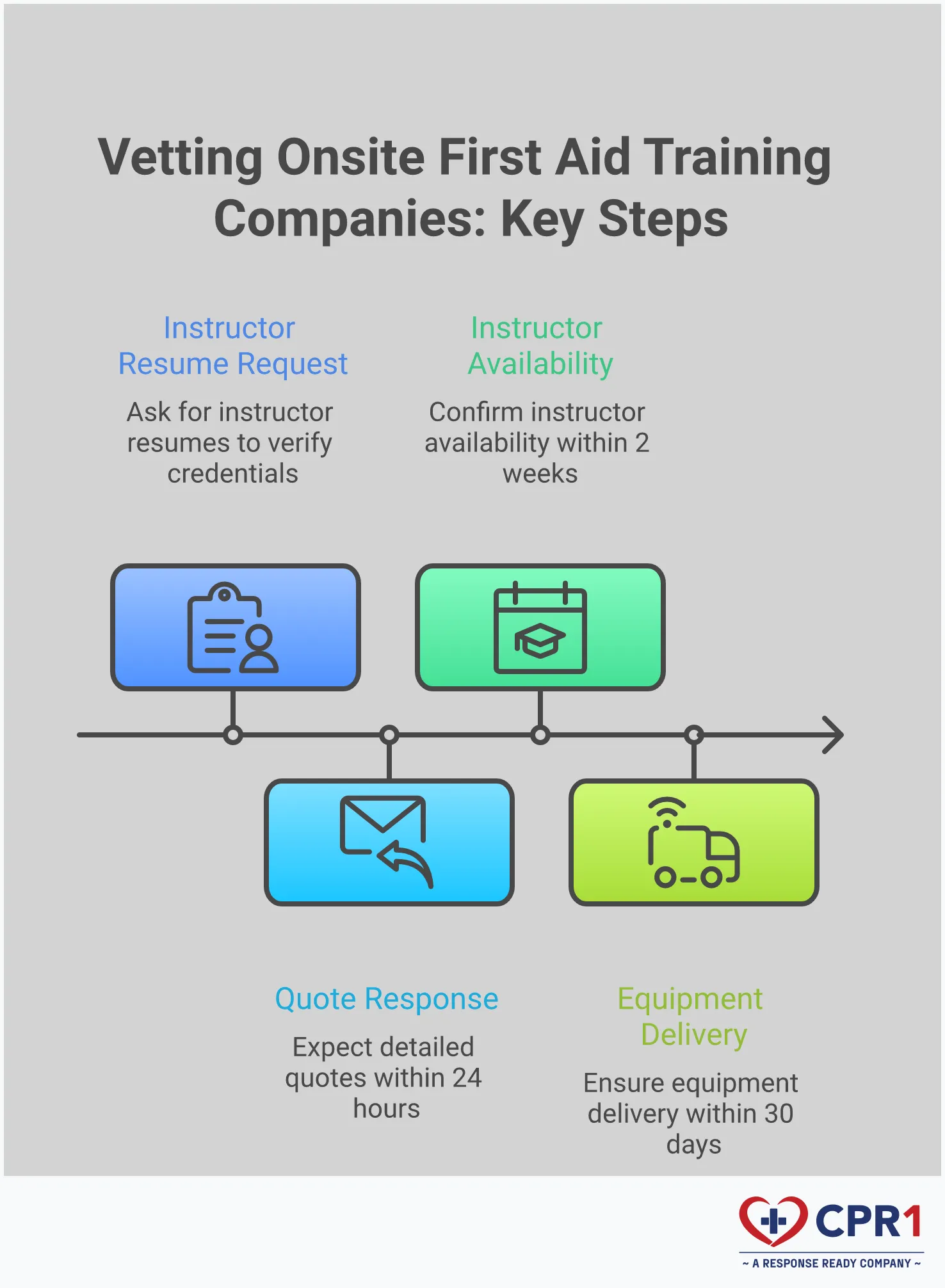
One of the most common complaints about onsite training providers involves scheduling. You might find a company that seems perfect, only to face long waits or radio silence after you’ve paid a deposit. Some businesses report waiting months for their session or for essential equipment to arrive, with very little communication from the provider. To avoid this, ask for a clear timeline before you book. A reliable company should be able to confirm training dates and equipment delivery windows upfront. Don’t be afraid to ask about their process for scheduling group training and what you can expect after you sign up.
Ensuring Every Instructor is Top-Notch
The person leading your training session makes all the difference. A great instructor is engaging, knowledgeable, and makes the material stick. Unfortunately, instructor quality can be a roll of the dice with some companies, especially those that act as brokers and subcontract to local trainers. You might get a fantastic paramedic one day and a less-experienced instructor the next. Always ask about the credentials of the instructors who will be teaching your team. Look for providers who hire professionals with real-world experience, like firefighters, EMTs, and nurses, to ensure your team learns from the best.
Avoiding the Problem of Unreliable Equipment
Effective CPR and First Aid training is all about hands-on practice. If the equipment is old, broken, or in short supply, your team’s learning experience will suffer. Imagine trying to practice compressions on a faulty manikin or use an AED trainer that won’t turn on. It’s crucial that your provider supplies modern, clean, and fully functional equipment for every participant. Before booking, ask what kind of equipment is used and how they ensure it’s maintained. High-quality tools are a non-negotiable part of a high-quality course, from AEDs and training devices to first aid supplies.
Demand Clear and Consistent Communication
Clear communication is the backbone of a smooth training experience. Some training companies operate as “brokers,” meaning they sell you the course and then hire a separate, third-party trainer to actually teach it. This can create a messy chain of command where no one takes responsibility if something goes wrong, like an instructor showing up late or not at all. To avoid this, work directly with a training provider that manages its own team of instructors. This ensures you have a single point of contact and a clear line of communication from booking to certification.
Breaking Down the Cost of Onsite First Aid Training
Let’s talk about the budget. Choosing the right first aid training isn’t just about the quality of the course; it’s also about making a smart financial decision for your organization. The price tag on training can vary, but understanding the key factors will help you see the full picture. Onsite training often has a different cost structure than sending your team to an open course, and it’s usually more straightforward than you might think. By breaking down the costs, you can find a high-quality program that fits your needs without any surprise expenses.
Onsite vs. Offsite: Which is More Affordable?
When you send employees to an offsite course, you typically pay a set price per person. But don’t forget the other costs: your team members lose productive work time traveling, and you might even reimburse them for mileage or parking. These expenses add up quickly. With onsite group training, an instructor comes directly to your workplace. This model eliminates travel time for your staff and often results in a lower overall cost per person. Many businesses find they save a significant amount by bringing the training in-house, especially since it keeps everyone on-site and ready to get back to work right after the session ends.
How Group Size Affects Pricing
The math for onsite training is simple: the more people you train, the more you save. Most training providers structure their pricing to make group sessions incredibly cost-effective. Since they are sending one certified instructor and one set of equipment to your location, the primary costs are fixed. Spreading that cost across five, ten, or twenty employees dramatically lowers the per-person rate compared to individual sign-ups. This is why onsite training is the go-to choice for businesses, schools, and community organizations. Even for smaller teams, the convenience and focused learning environment often provide more value for your investment.
Watch Out for Hidden Fees
A low initial quote can be tempting, but it’s important to make sure it’s all-inclusive. Some training companies add on extra charges that can catch you by surprise. Before you book, ask if the price includes everything: instructor travel fees, course materials for each participant, and the final certification cards. Beyond the quote, consider the cost of unreliable service. Waiting months for a crucial AED device or dealing with poor communication can leave your team unprepared and non-compliant. Always ask for a clear, itemized quote and check recent reviews to ensure the company delivers on its promises without tacking on unexpected fees.
How to Read Between the Lines of Customer Reviews
Customer reviews are one of the best tools you have for vetting a training provider, but you have to know how to interpret them. A star rating only tells part of the story. Learning to spot patterns in feedback will help you look past the surface-level score and understand what your experience will really be like. It’s about finding the difference between a one-off bad day and a sign of a deeper, systemic issue.
How to Spot Critical Red Flags in Reviews
When you’re scrolling through reviews, keep an eye out for recurring themes that signal bigger problems. A single complaint about a late trainer might be a fluke, but multiple mentions could point to a company that acts more like a “broker,” subcontracting trainers without much oversight. Watch for comments about poor communication, like delays in receiving equipment or certificates without any heads-up. These aren’t just minor hiccups; they can indicate disorganized operations that will cause you major headaches and could even impact your team’s OSHA compliance. If you see a pattern of logistical failures, it’s a clear warning sign.
Green Flags: What a Great Review Looks Like
On the flip side, positive reviews are full of clues about what a company does right. Look past generic comments like “great course” and search for specifics. The best reviews will mention trainers who are engaging, knowledgeable, and use practical, real-world examples. When you see participants saying they left feeling confident and truly prepared to act in an emergency, that’s a huge green flag. It shows the training goes beyond just checking a box and delivers skills that stick. This is the kind of hands-on experience that makes all the difference when seconds count.
How to Tell if a Review is Authentic
A mix of reviews is normal, but pay attention to the pattern. A company with mostly 5-star and 1-star reviews, with very few in the middle, might deliver an inconsistent experience. It suggests you could have a fantastic day or a terrible one, with no way of knowing which you’ll get. Authentic reviews, whether positive or negative, usually include specific details. A reviewer might name their instructor, mention a particular skill they learned, or describe the training equipment. Vague, overly emotional language can sometimes be a red flag, so trust the reviews that give you a clear and detailed picture of the experience.
Does Your First Aid Training Match Your Industry?
Choosing the right first aid training isn’t a one-size-fits-all decision. The skills your team needs depend entirely on the environment they work in every day. An office team faces different potential emergencies than a construction crew, and a daycare requires a different focus than a dental clinic. The most effective safety programs are tailored to address the specific risks of your industry, ensuring your employees are prepared for the situations they’re most likely to encounter.
Understanding these differences is the first step toward building a truly confident and capable team. A generic course might cover the basics, but specialized training gives your staff the practical knowledge to act decisively when it matters most. This approach not only helps you meet OSHA compliance standards but also fosters a stronger culture of safety. By matching the training to your workplace, you empower your team with relevant skills that protect both them and your customers. For example, a warehouse team might need specific training on crush injuries or falls from height, while a restaurant staff would benefit more from learning how to handle severe burns and choking incidents. Tailoring the curriculum makes the training more engaging and memorable, because employees can see how the skills apply directly to their daily work. This relevance is key to building real confidence, not just checking a box for certification.
What Training Do Low-Risk Workplaces Need?
In an office or retail setting, the most common emergencies often involve medical events rather than traumatic injuries. Your training should focus on responding to issues like sudden cardiac arrest, choking, allergic reactions, or fainting. A comprehensive Adult & Pediatric First Aid/CPR/AED course is typically the perfect fit, giving your team the confidence to manage these situations until professional help arrives. The best way to get everyone certified is with onsite training. Training at your workplace helps you save money because you don’t pay for staff travel or their time away from work. An instructor comes directly to you, minimizing disruption and allowing your team to learn in a familiar environment. This convenience makes it easy to get everyone on the same page and ensures your designated responders are ready to act.
Essential Training for Construction and Manufacturing
For industries like construction, manufacturing, and logistics, the risks are higher and the potential for serious injury is greater. Your safety plan needs to be more robust, and your training should reflect that. A solid workplace first aid program is built on four essential pillars: management leadership, worksite analysis, hazard control, and dedicated safety training. Your team needs skills that go beyond basic first aid. Look for courses that include training for trauma-related injuries, such as controlling severe bleeding, treating burns, and handling chemical exposure. A Stop the Bleed course, for example, is an invaluable addition for high-risk environments. This specialized training equips your employees to handle life-threatening situations with confidence and competence.
Must-Have Certifications for Healthcare and Childcare
If you work in healthcare or childcare, you have a professional duty to respond to emergencies. Your training must be comprehensive and current. Courses for these fields teach a wide range of skills, including how to handle emergencies, medical conditions like heart attacks, injuries like burns and fractures, CPR, using an AED, and controlling bleeding. Because you care for vulnerable populations, it’s critical that your certification covers both adults and children. An Adult & Pediatric First Aid/CPR/AED course is the standard for teachers, daycare providers, and camp counselors. It provides the specific techniques needed to respond to emergencies involving infants and children, ensuring you’re prepared for any situation that comes your way.
Why Fitness Centers Are High-Risk Environments
Fitness centers are unique environments where people intentionally push their physical limits. While this is great for health, it also significantly increases the risk of sudden cardiovascular events. This combination of intense exertion and potential pre-existing conditions makes a heart attack, stroke, or fainting spell far more likely than in a typical workplace. The average emergency medical services response time in cities can be seven minutes or more, a critical window where immediate action can save a life. Having staff trained in CPR and how to use an AED isn’t just a good idea—it’s an essential part of member safety and liability management. This training prepares your team to act as immediate responders, providing life-saving care until professionals arrive.
When is BLS Certification Necessary?
While First Aid/CPR/AED training is perfect for most workplaces, some professions require a higher level of certification called Basic Life Support (BLS). BLS is designed for healthcare professionals and first responders, including nurses, doctors, paramedics, dental assistants, and firefighters. This advanced course focuses on high-performance team dynamics, advanced airway management, and effective resuscitation techniques. Studies show a significant increase in the level of knowledge and skill after participants complete BLS training. If your team works in a clinical setting or is expected to perform life-saving measures as part of their job, BLS is the appropriate certification. It ensures they have the advanced skills needed to provide a higher standard of care in critical moments.
Beyond Training: Assembling an Effective First Aid Kit
Once your team is trained, the next logical step is to make sure they have the tools they need to put those skills into action. A first aid kit is far more than just a compliance checkbox; it’s a critical component of your emergency response plan. A well-stocked kit empowers your trained employees to respond confidently and effectively, bridging the gap between knowing what to do and actually being able to do it. Without the right supplies on hand, even the best training can fall short when faced with a real emergency, leaving your team feeling helpless instead of prepared.
Think of it this way: training prepares your people, but a well-equipped first aid station prepares your workplace. This creates a complete safety ecosystem where skills and supplies work together to protect your team. Ensuring you have all the necessary workplace safety supplies, from simple bandages to a life-saving AED, is just as important as the certification itself. This comprehensive approach moves you beyond basic compliance and fosters a true culture of safety, ensuring your organization is ready to handle any situation with confidence and care.
Essential Supplies for Your Workplace Kit
So, what exactly should be in your kit? While OSHA provides guidelines, the best first aid kits are tailored to the specific hazards of your workplace. A construction site will need different supplies than a corporate office, so it’s important to assess your unique risks. The key is to start with a solid foundation of essential items that can handle the most common injuries, and then customize from there. A comprehensive kit ensures you’re prepared for everything from minor cuts to more serious situations, giving your team the resources they need to provide immediate and effective care.
- Adhesive Bandages: A variety of sizes and shapes to cover minor cuts, scrapes, and abrasions.
- Gauze Pads and Roller Bandages: Essential for controlling bleeding and dressing larger wounds that a simple bandage can’t cover.
- Antiseptic Wipes and Ointment: To clean wounds thoroughly and help prevent infection before applying a dressing.
- Medical Tape and Scissors: For securing gauze and bandages in place, or for cutting clothing away from an injury.
- Disposable Gloves: A non-negotiable for protecting both the first aid provider and the injured person from contamination.
- CPR Face Shield: A crucial barrier device that allows for safe and hygienic rescue breathing during CPR.
- Pain Relievers: Over-the-counter options like ibuprofen or acetaminophen to manage pain from minor injuries.
- Burn Cream and Dressings: Especially important for workplaces with heat or chemical hazards, like kitchens or labs.
- Emergency Blanket: To help treat shock or keep an injured person warm until emergency services arrive.
- First Aid Manual: A simple, easy-to-follow guide that provides step-by-step instructions for common emergencies.
Onsite Training Myths, Busted
Arranging safety training for your team can feel like a big decision. While onsite training is a convenient option, it’s surrounded by a few persistent myths. Is it really as effective? Will it break the budget? Let’s clear the air and look at the facts behind these common misconceptions.
Myth: It’s Less Effective Than Offsite Courses
It’s easy to assume a formal classroom is the best place to learn, but that’s not always true. Training at your own facility can be far more impactful. When your team learns in the same environment where an emergency might happen, the skills become more tangible. Instructors can tailor scenarios to your specific layout, using your equipment and addressing your unique risks. This hands-on, site-specific practice builds a deeper level of confidence that a generic setting can’t replicate. People learn best when they can connect the training to their real world, and onsite group training does exactly that.
Myth: It’s Always More Expensive
This is one of the biggest myths we hear. While the initial quote for bringing a trainer onsite might seem large, it often saves you money. Think about the hidden costs of sending your team to an offsite course: lost productivity during travel, plus gas and parking fees. When you host the training, those costs disappear. For most groups, the per-person rate for onsite training is significantly lower than individual public course fees. You get a more convenient and relevant experience for your team while making a smarter financial decision for your organization’s emergency preparedness.
Myth: The Certification Isn’t Official
Let’s be clear: the location of your training has no impact on the validity of your certification. What matters is the provider. As long as you choose a reputable company with certified instructors who follow national guidelines, your team will receive the same official certification they would get anywhere else. Our CPR, AED & First Aid courses are designed to meet OSHA and ANSI standards, ensuring your business remains compliant. The card you receive is just as valid, but the training behind it is more personalized and relevant to your workplace.
Related Articles
- Recognised First Aid Courses: The Ultimate Guide
- Onsite CPR Training: A Guide for Businesses
- CPR Training for Businesses: A Complete Guide
Frequently Asked Questions
What’s the real difference between a standard First Aid/CPR course and a BLS course? Think of it this way: a First Aid/CPR/AED course is designed for everyone. It gives your team the skills to confidently respond to common workplace emergencies, from choking to cardiac arrest. Basic Life Support, or BLS, is the next level up. It’s specifically for healthcare professionals and first responders who need more advanced skills, like working as part of a resuscitation team and using specialized equipment. For most businesses, schools, and community groups, the First Aid/CPR/AED course is the perfect fit.
My company has offices in different states. How can I ensure our training is consistent everywhere? This is a great question and a common challenge for larger organizations. The best solution is to partner with a nationwide training provider. This ensures that every employee, no matter their location, receives the same high-quality curriculum and certification. It simplifies your compliance management and guarantees a consistent standard of safety across your entire company, so you know your team in one city is just as prepared as your team in another.
What are the most important questions to ask a potential training provider before booking? Before you commit, you should ask a few key questions to get a feel for the company’s quality. Start by asking about their instructors’ backgrounds; you want people with real-world emergency experience, like paramedics or firefighters. Next, ask about their training equipment to make sure they use modern, clean manikins that provide feedback. Finally, ask if they use their own instructors or if they subcontract to third parties. Working directly with a provider ensures better communication and accountability.
Will my team receive a legitimate, OSHA-compliant certification with onsite training? Absolutely. The location of the training has no bearing on the validity of the certification. What matters is the provider you choose. A reputable company will offer courses that meet or exceed national standards set by organizations like OSHA and ANSI. As long as the provider is certified and follows established guidelines, the certification cards your team receives are completely official and will satisfy any workplace compliance requirements.
Besides the convenience, what makes training at our own workplace more effective? Training in your own space makes the skills feel more real and relevant. When your team practices responding to a simulated emergency in your actual office, warehouse, or breakroom, they build muscle memory in a familiar context. This site-specific practice helps them mentally map out how to react in a real crisis, which builds a level of confidence that you just can’t get from a generic classroom. It transforms the training from a theoretical exercise into a practical, memorable experience.